Bemidji EV roadmap nears finish as council raises questions
Councilors questioned Bemidji’s EV roadmap even as staff said the plan is nearly finished, keeping fleet costs, charging sites and political support unsettled.

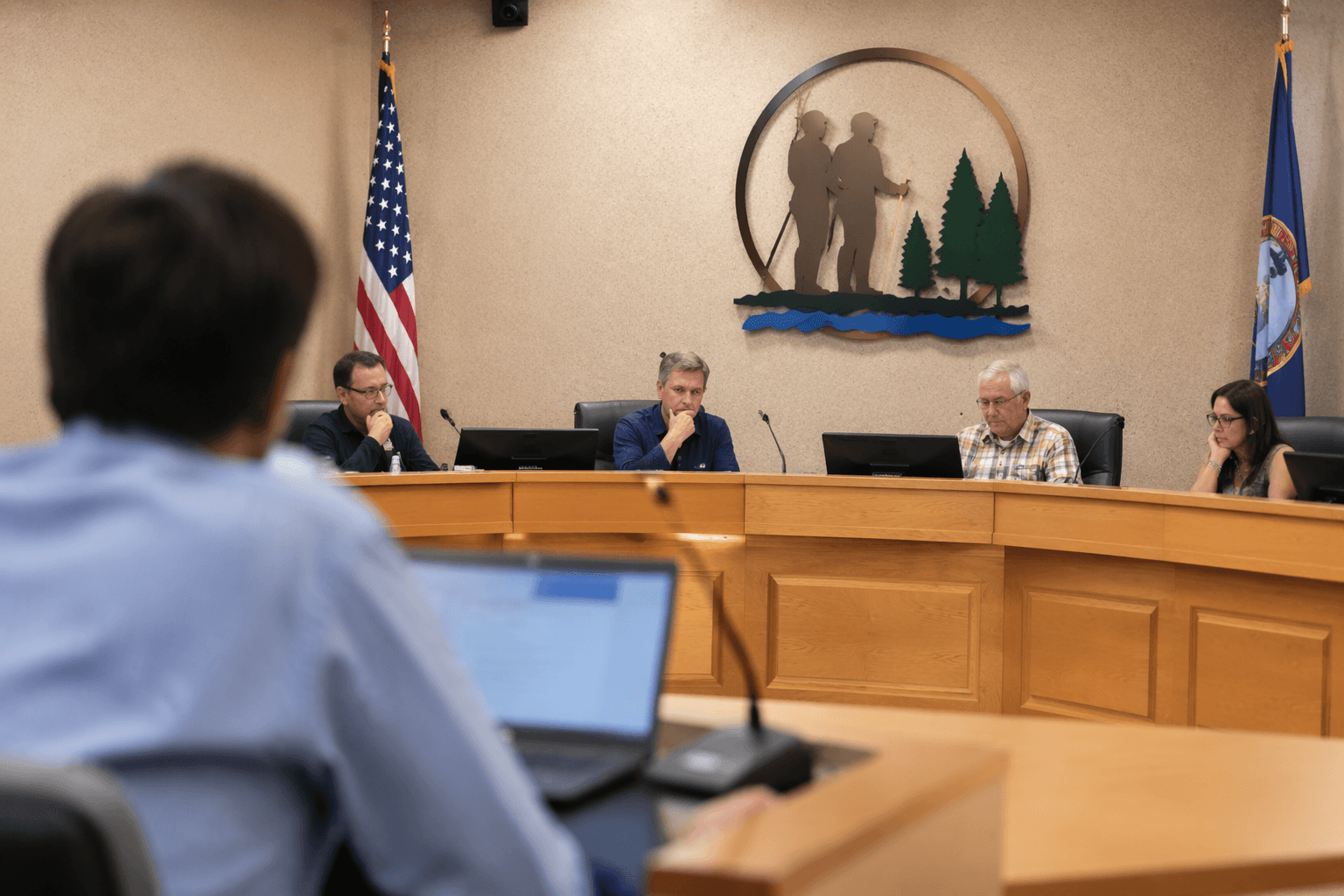
Bemidji’s electric-vehicle roadmap is close to the finish line, but the City Council is not ready to sign off without hard questions about cost, infrastructure and what the city is actually committing to. Planning Director Jamin Carlson brought the latest update to Monday’s council meeting, with a Great Plains Institute representative joining virtually, and several councilors signaled hesitation rather than a clear path to adoption.
The planning effort started after the council approved a Minnesota Pollution Control Agency Local Climate Action Planning Grant in 2024. That grant was meant to help Bemidji incorporate an electric-vehicle fleet and EV infrastructure into city planning, and it pushed city staff and Great Plains Institute to develop both a community EV roadmap and a community-wide EV vision statement.
That framework matters because the document is not just about whether more residents drive electric cars. It could affect how Bemidji replaces city vehicles, where charging stations go, how much the city spends on maintenance and infrastructure, and whether local officials want to position Bemidji for future climate and transportation grants. The council’s reluctance suggested those questions are still unresolved, even as staff move the roadmap toward completion.
The tension comes at a time when Bemidji already has some public charging in place. One charging-station directory listed five publicly accessible EV charging stations in the city with 21 charging ports as of May 2026, and Beltrami Electric Cooperative says it has three public Level 2 chargers in the area. That existing network gives the city a starting point, but it also raises the practical issue of whether current access is enough to support broader adoption or whether more public and workplace charging will be needed.
Great Plains Institute’s role also underscores how much of this debate sits at the intersection of policy and utility planning. The organization says its mission is to transform the energy system to benefit the economy and environment, and Drive Electric Minnesota identifies GPI as a lead partner in local EV planning work. GPI guidance for local governments points to planning, building codes, utility engagement, education, fleet electrification and shared mobility as the levers cities can use if they want an EV strategy to move from paper to pavement.
Bemidji has already shown some willingness to frame EV policy alongside other city projects. Local coverage in May 2026 reported that the council approved an EV vision statement with the Middle School Drive project, suggesting the discussion has moved beyond staff drafting and into broader policy choices. The city’s meeting portal also keeps archived council and planning-board materials online, reinforcing that the roadmap is part of an ongoing public process. What remains unclear is whether council members will turn that process into a firm policy direction or leave the plan unfinished at the moment it most needs political backing.
This article was produced by Prism’s automated news system from verified source data, official records, and press releases, then run through automated quality and moderation checks before publishing. The system is built and supervised by the people who set the standards it runs under. Read our full AI policy.
Did this article answer your question?