Bemidji recovery continues one year after derecho, wildfire risk remains
A year after the derecho, Bemidji has planted about 4,000 trees, but millions of downed trunks still drive wildfire risk and recovery costs.
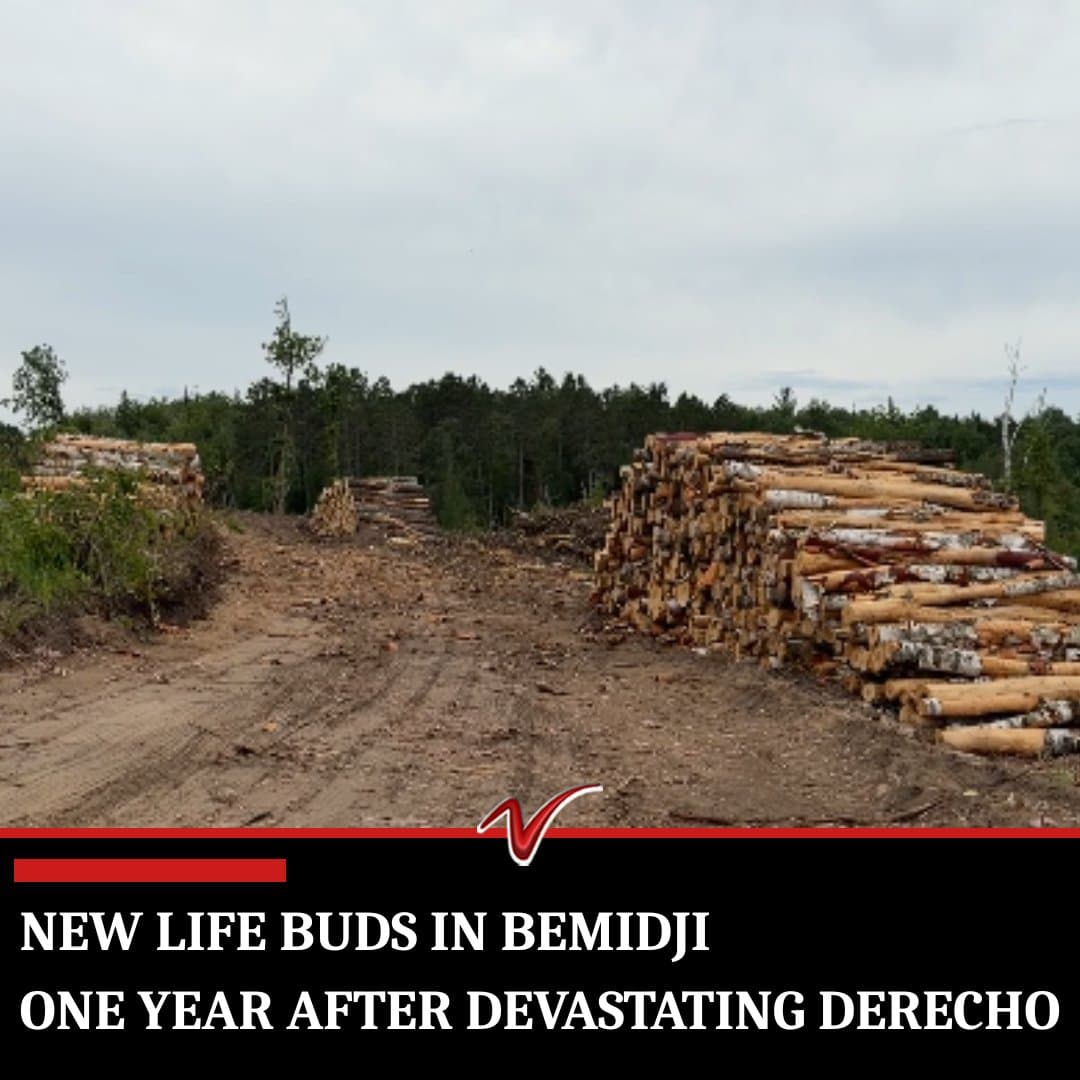
Bemidji’s recovery is visible in new trees and cleanup crews, but the storm’s biggest burden still hangs over Beltrami County. About 4,000 trees have been planted so far, while millions of downed trees and heavy debris continue to shape the city’s response and keep wildfire risk high across the region.
The derecho that tore through Bemidji last year brought hurricane-strength winds to town, with emergency managers estimating peak gusts around 130 mph on the east side of Lake Bemidji, a force comparable to a Category 3 hurricane. Beltrami County declared a state of emergency after the storm, and the county board later extended it for 30 days. Across the region, about 9 million trees were knocked down, and the storm caused nearly $10 million in damage to city infrastructure.

Restoration has moved forward through a mix of public and private efforts. The Northwest Minnesota Foundation launched its Project Canopy tree-replanting fund with a $25,000 commitment from First National Bank Bemidji, giving the city a dedicated push to replace some of what was lost. Dozens of agencies and thousands of residents have also taken part in cleanup and recovery work as Bemidji tries to restore shade, stabilize damaged properties and rebuild the urban canopy that the storm stripped away.

Even as some areas are replanted, foresters say the recovery will remain uneven. Minnesota Department of Natural Resources staff say smaller parcels and isolated pockets of blowdown may never be fully cleared, leaving fuel on the ground for hotter, harder-to-control fires. The DNR’s 2025 forest health report says nearly 24,000 acres of forest were damaged by wind statewide last year, with nearly half of that tied to the Bemidji-area derecho, the most wind damage in a single year in Minnesota since 2011. Officials estimate the elevated fire risk in the Bemidji area could last three to five years.
The storm’s financial fallout is still working through city and state channels. Gov. Tim Walz said the state disaster assistance contingency account may reimburse 75% of public infrastructure costs after a local disaster declaration, but it does not cover homes, leaving homeowners and counties to absorb major losses of their own.
The impact is also etched into the land itself. Lake Bemidji State Park saw about 300 acres forever changed, and more than 1,100 acres on DNR-managed lands in the region were affected. By spring, Sen. Amy Klobuchar was touring controlled burns and other wildfire-prevention work in Bemidji as city leaders said a long-term recovery team had formed and aerial surveys were still identifying high-risk areas. One year later, the city is rebuilding, but the next severe storm will test whether those lessons have turned into lasting preparedness.
This article was produced by Prism’s automated news system from verified source data, official records, and press releases, then run through automated quality and moderation checks before publishing. The system is built and supervised by the people who set the standards it runs under. Read our full AI policy.
Did this article answer your question?