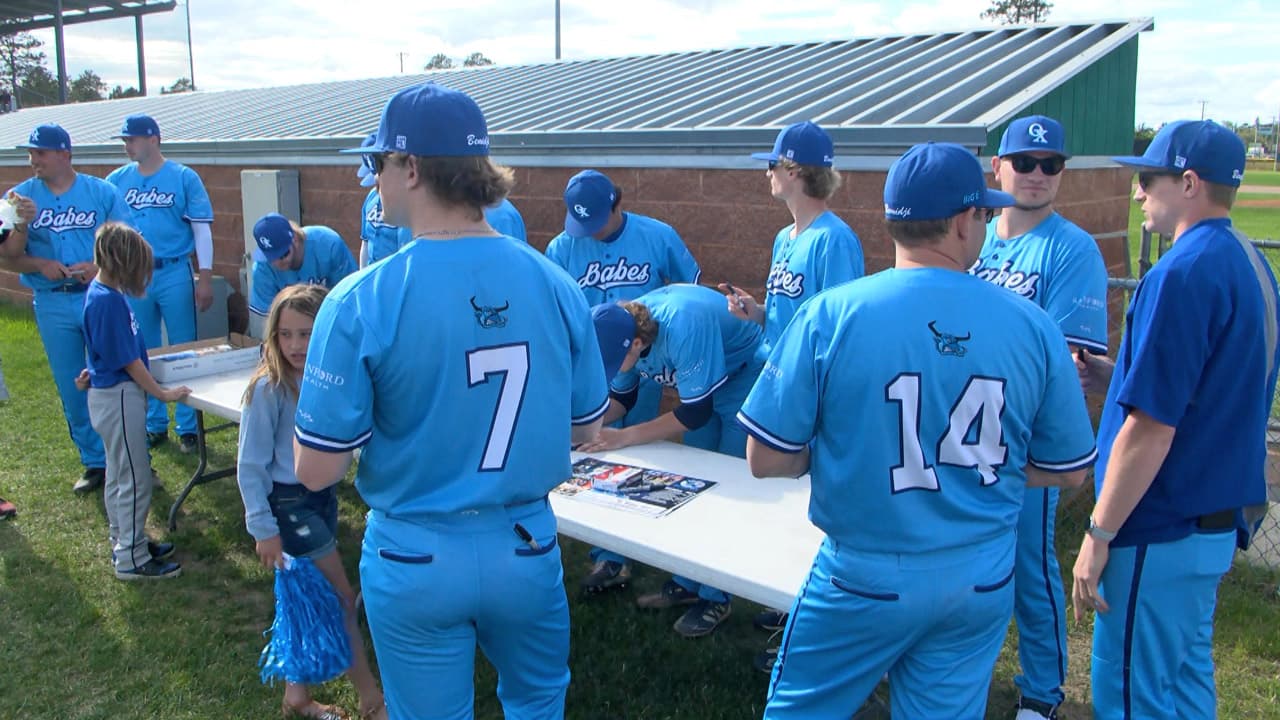
Bemidji Sculpture Walk offers hands-on welding class behind the scenes
A six-hour welding class showed how Bemidji’s Sculpture Walk is built, repaired and renewed, turning public art into a civic skill residents can help sustain.

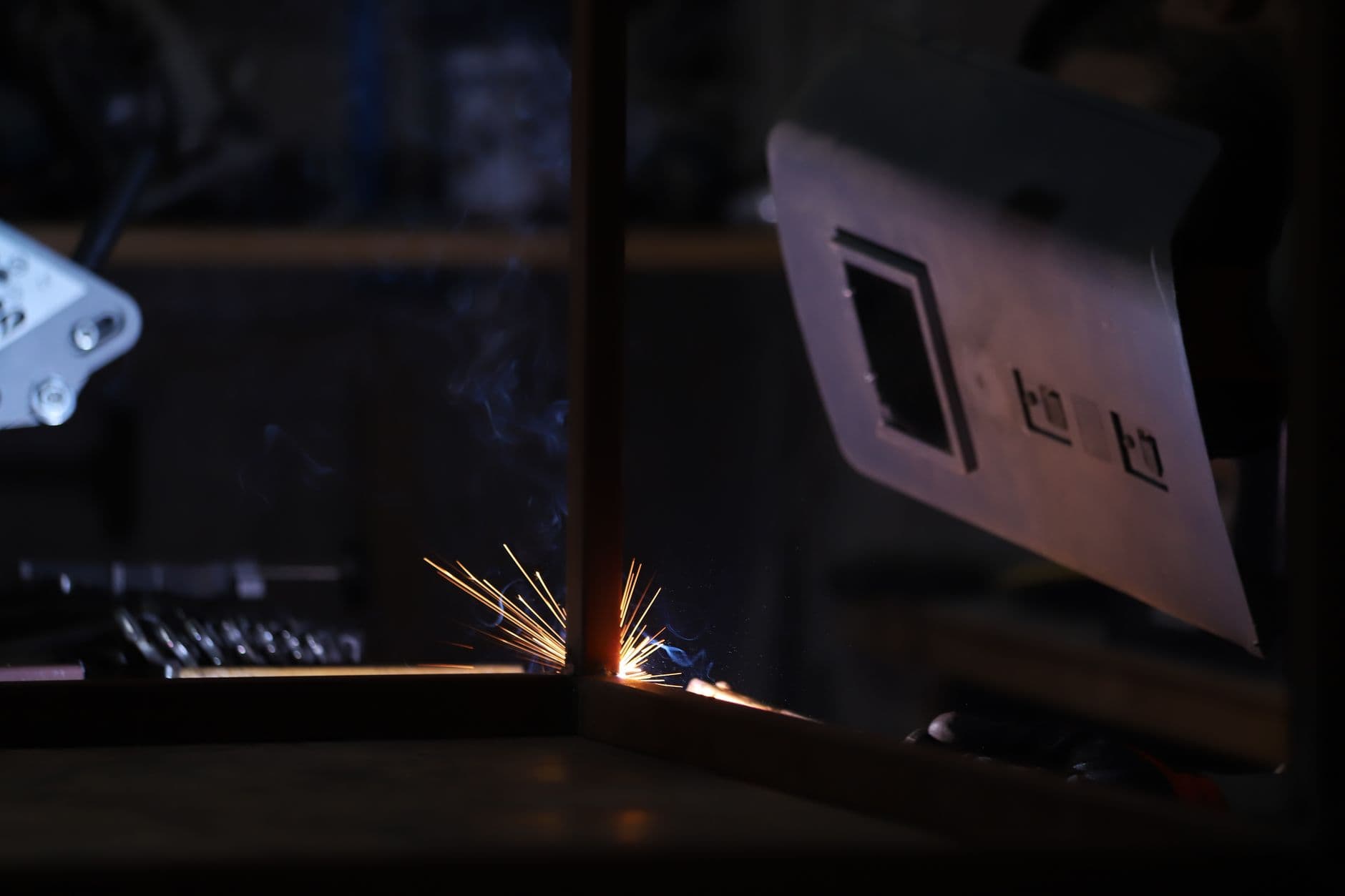
A six-hour welding class gave Bemidji residents a rare look at the labor behind the Sculpture Walk, where public art is not just displayed downtown but shaped, maintained and reimagined by hand. Led by Sculpture Walk board president Dave Close, founder Al Belleveau and Roger Loyson, the class turned a familiar downtown attraction into a working classroom and put the craft behind civic art right in front of participants.
Behind the scenes at downtown’s public art walk
The attraction at the center of the class is hardly new to Beltrami County. The Bemidji Sculpture Walk premiered in the spring of 1999 and was developed by volunteers working with the Bemidji Community Arts Center, now the Watermark Art Center. Its stated mission is to enhance downtown Bemidji, promote the city as a regional cultural and art center, and build community through the display and discussion of art.
That mission matters because the walk has always been about access, not exclusivity. It is described as one of the oldest public art sculpture galleries in Minnesota, and Minnesota Public Radio has called it one of the oldest in the Midwest. The public art is part of the daily landscape of downtown Bemidji, where residents, workers and visitors encounter it year-round rather than in a museum setting that requires a ticket or a special trip.
Why a welding class changes the way people see the walk
The welding class added something the ordinary stroll past downtown sculptures cannot: direct knowledge of how public art gets made and kept standing. Instead of treating art as a finished object to admire from a distance, the class showed participants the tools, effort and technical skill that go into the work before it is installed or repaired.
That is especially significant in a place where the Sculpture Walk has long been designed for broad access. Lakeland PBS reported that the project was created to bring people downtown and was planned so that young people, older adults and people in wheelchairs could all enjoy it. A hands-on class extends that access from viewing to understanding, opening a door to a craft that can feel intimidating to people who have never welded before.

Participant Rita Poulton offered a simple reason for showing up: she enjoys art and wanted to try something different. That answer captures what makes the class matter locally. It lowers the barrier between residents and the work that shapes downtown, and it reminds people that public art depends on practical skills as much as creative vision.
How the Sculpture Walk keeps downtown changing
The Sculpture Walk is not static, and that constant turnover is part of its identity. Visit Bemidji says the walk typically features more than 25 sculptures and murals on public display year-round in the downtown business district, with new works added annually. A GiveMN page says 34 works are on display today, and a 2020 Sculpture Walk post said 16 new artworks were installed downtown that year.
That regular refresh keeps the project visible and relevant. In a 2014 Minnesota Public Radio report, Al Belleveau said the annual turnover of sculptures signals winter’s end and the start of tourist season in Bemidji. In other words, the walk is not just decoration. It functions as a seasonal marker, a downtown invitation and a public signal that the city is open for visitors, business and community life.
The welding class fits that pattern. If new pieces arrive every year and old ones are removed or replaced, then the work of public art has to be learned, repeated and passed on. That makes the class more than an art lesson. It is part of the infrastructure that keeps the walk alive.
The volunteers and advocates behind the model
The Sculpture Walk’s roots are tied to local advocates who imagined a downtown built around accessible art. Earlier coverage identified Al and Cate Belleveau as major forces behind the project’s creation. That same reporting said the idea came from a similar public art model Al Belleveau saw in Grand Junction, Colorado, where art in public space helped shape the character of the city.
That history matters because it shows the Sculpture Walk was never just a one-time installation plan. It was built as a civic model, with volunteers and arts leaders bringing outside inspiration back home and adapting it for Bemidji. The connection to the Watermark Art Center reinforces that point, since the walk grew from a partnership with a local arts institution that helped anchor it in the downtown arts-and-events ecosystem.
The current class continues that volunteer tradition. Dave Close, Al Belleveau and Roger Loyson were the people teaching the six-hour session, which suggests that the know-how behind the walk is still being shared person to person rather than locked away in a formal workshop system. That kind of instruction gives residents access not just to art, but to the methods that make art possible in public space.
Why this matters for Bemidji’s identity
Bemidji’s public art scene has always carried more weight than simple beautification. It helps define downtown, supports tourism, and gives residents a shared cultural landmark that is renewed every year. The behind-the-scenes welding class shows that this identity is not passive. It is maintained by people willing to learn, teach and keep the work visible.
That has civic value in a county where community institutions matter. Arts education can build volunteer energy, creative confidence and support for public art projects, especially when the lesson is hands-on and local rather than distant and abstract. In that sense, the class does more than teach welding. It strengthens the community muscle that keeps downtown art from fading into the background.
The Sculpture Walk’s history, its annual changes and its focus on accessibility all point to the same conclusion: Bemidji’s civic art scene is sustained by people who treat public space as something to be built, repaired and shared. That is what makes a six-hour welding class feel like more than an art event. It is part of how downtown Bemidji keeps telling its own story.
This article was produced by Prism’s automated news system from verified source data, official records, and press releases, then run through automated quality and moderation checks before publishing. The system is built and supervised by the people who set the standards it runs under. Read our full AI policy.
Did this article answer your question?