Bemidji student Zivah Zebro finishes rural service youth tour in D.C.
Bemidji High School student Zivah Zebro returned from a paid youth tour in Washington, D.C., where broadband policy and civic access were the lessons.
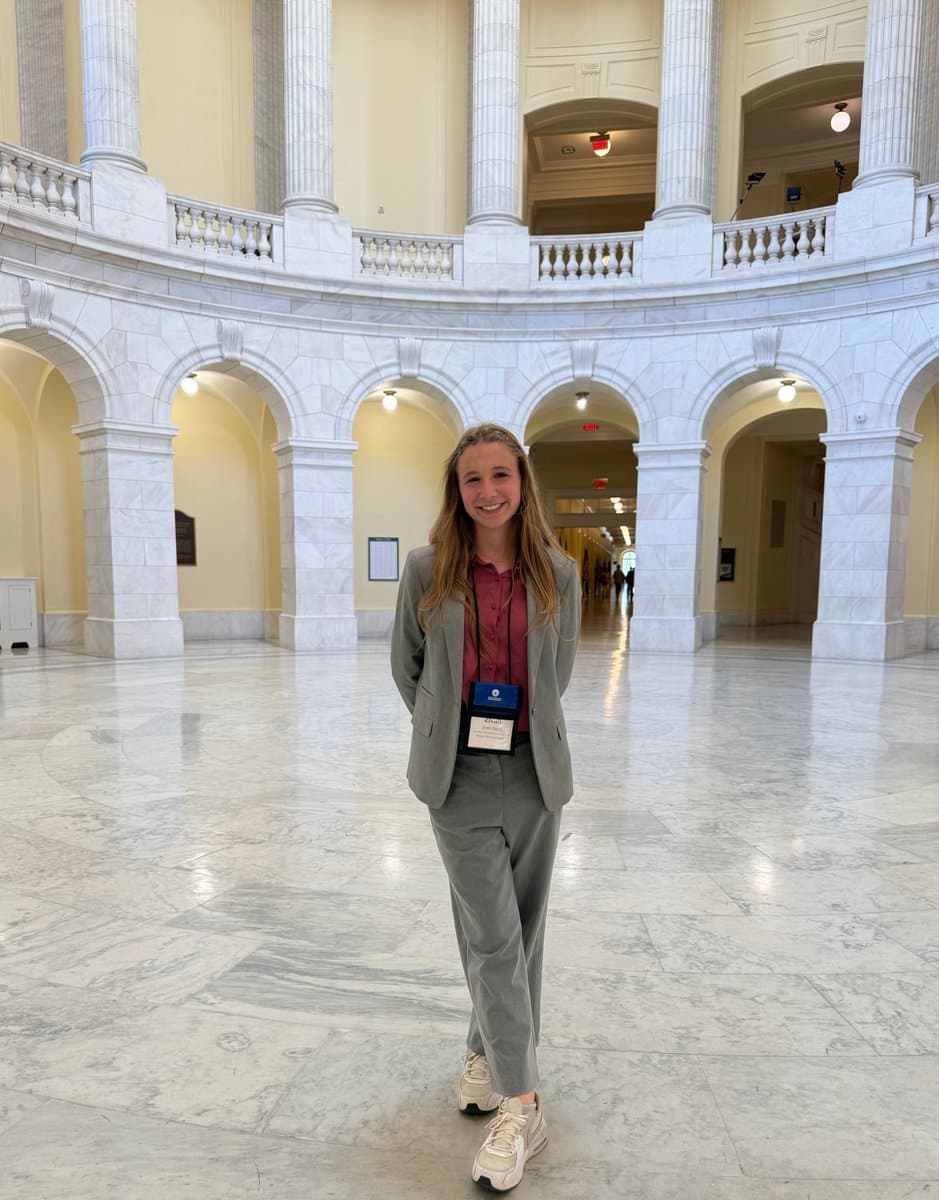
Paul Bunyan Communications sent Zivah Zebro, a Bemidji High School student from Solway, to Washington, D.C., after she won the cooperative’s 2026 Youth Tour Essay Contest. The trip, which ran June 1-5, was fully paid for and included chaperone support, placing a Beltrami County student in a rural leadership program built around broadband policy, civic participation and federal decision-making.
Zebro’s tour was part of the Foundation for Rural Service Youth Tour, a program for students ages 16 to 17 who are in high school and have a parent or guardian who is a Paul Bunyan Communications member. During the week, students visited Smithsonian museums, took a nighttime tour of Washington, met with members of Congress and attended educational sessions on the Federal Communications Commission and the telecommunications industry.

For Paul Bunyan Communications, the trip is meant to do more than expose students to the capital. The cooperative says the experience helps rural youth understand broadband, leadership and how federal decisions affect rural communities, a message with direct relevance in Beltrami County, where access to reliable internet and rural service remains tied to schoolwork, business and daily life.
The company said it has sent a local high school student to the Youth Tour every year since 1996, turning the contest into a long-running investment in young leaders from the region. Recent local winners included Joseph Loehlein of Turtle River in 2025, Julia Frenzel of Blackduck in 2024, Michael Van Horn of Blackduck in 2023 and Amelia Scherling of Bemidji in 2022. The program is hosted by the Foundation for Rural Service and is affiliated with NTCA-The Rural Broadband Association.
This article was produced by Prism’s automated news system from verified source data, official records, and press releases, then run through automated quality and moderation checks before publishing. The system is built and supervised by the people who set the standards it runs under. Read our full AI policy.
Did this article answer your question?