Body recovered after drowning on Movil Lake north of Bemidji
A man's body was recovered from Movil Lake after a Friday drowning north of Bemidji. Storms delayed the dive team's recovery until about 8:30 p.m.

A man's body was recovered from Movil Lake in Turtle Lake Township, about five miles north of Bemidji, after he entered the water from a boat and did not resurface Friday evening. The Beltrami County Sheriff's Office said the call came in at about 5 p.m. on July 3, and authorities believed they had located a body in roughly 25 feet of water by about 5:30 p.m.
Severe thunderstorms then forced rescuers off the lake before the recovery could begin. The Lakes Area Dive Team returned after the storms passed and recovered the man’s body at about 8:30 p.m. Friday, ending a search that involved the Bemidji Fire Department, Bemidji Ambulance Service, the Minnesota Department of Natural Resources and civilian bystanders.
The body was brought to shore and transported by a funeral home for autopsy. Officials have not identified the victim, and the case remains under investigation.
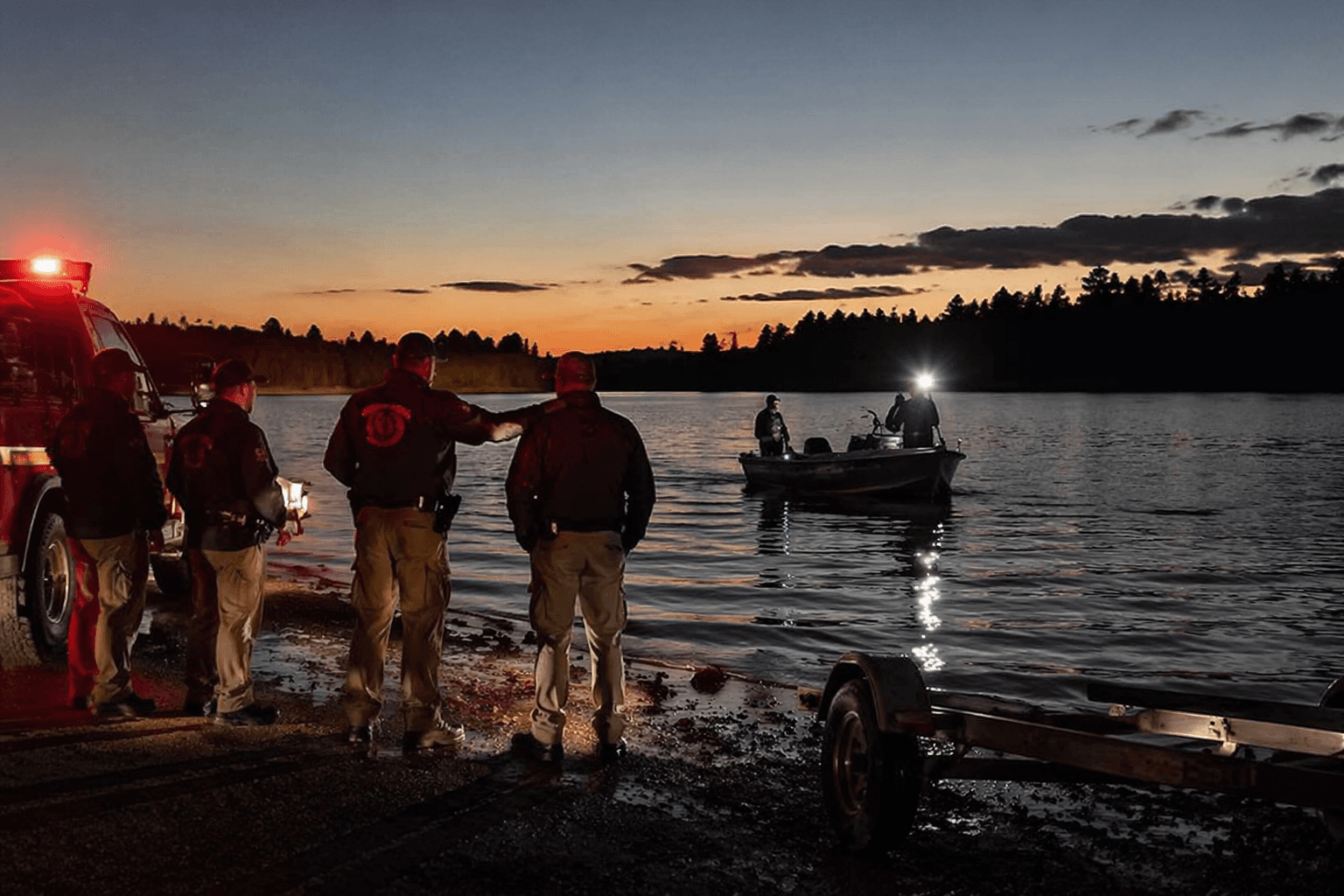
The incident adds another grim note to a summer season when North Dakota and Minnesota lake country sees heavy boat traffic, changing weather and fast-moving emergencies on the water. On Movil Lake, the sequence was stark: a man went into the lake from a boat, did not come back up, rescuers moved quickly, and thunderstorms interrupted the effort just as crews had identified a likely recovery area.
Beltrami County’s lakes and rivers can turn dangerous in minutes when weather shifts, visibility drops or a person enters cold water unexpectedly. This case also underscores how quickly rescue operations can become more difficult when lightning and severe storms move across a search area, forcing first responders to retreat even as time matters most in a drowning response.

Water safety on local lakes depends on life jackets, sober boating, close supervision of children and immediate emergency calls when someone disappears below the surface. Quick action from people on scene and from trained responders can make a difference, but the risk rises sharply when a person falls in from a boat, loses contact with companions or is left in the water during severe weather.
This article was produced by Prism’s automated news system from verified source data, official records, and press releases, then run through automated quality and moderation checks before publishing. The system is built and supervised by the people who set the standards it runs under. Read our full AI policy.
Did this article answer your question?