Clipper Systems Shift South, Lower Snow Totals But Travel Risks Remain
A pair of clipper systems that affected northern Minnesota December 8 through 10 tracked slightly farther south than earlier forecasts, leading the National Weather Service to lower snowfall totals for parts of the region while still warning of travel impacts. Residents of Bemidji and Beltrami County were advised to monitor travel advisories because localized heavier bands and blowing snow could produce quick accumulations and reduce visibility.
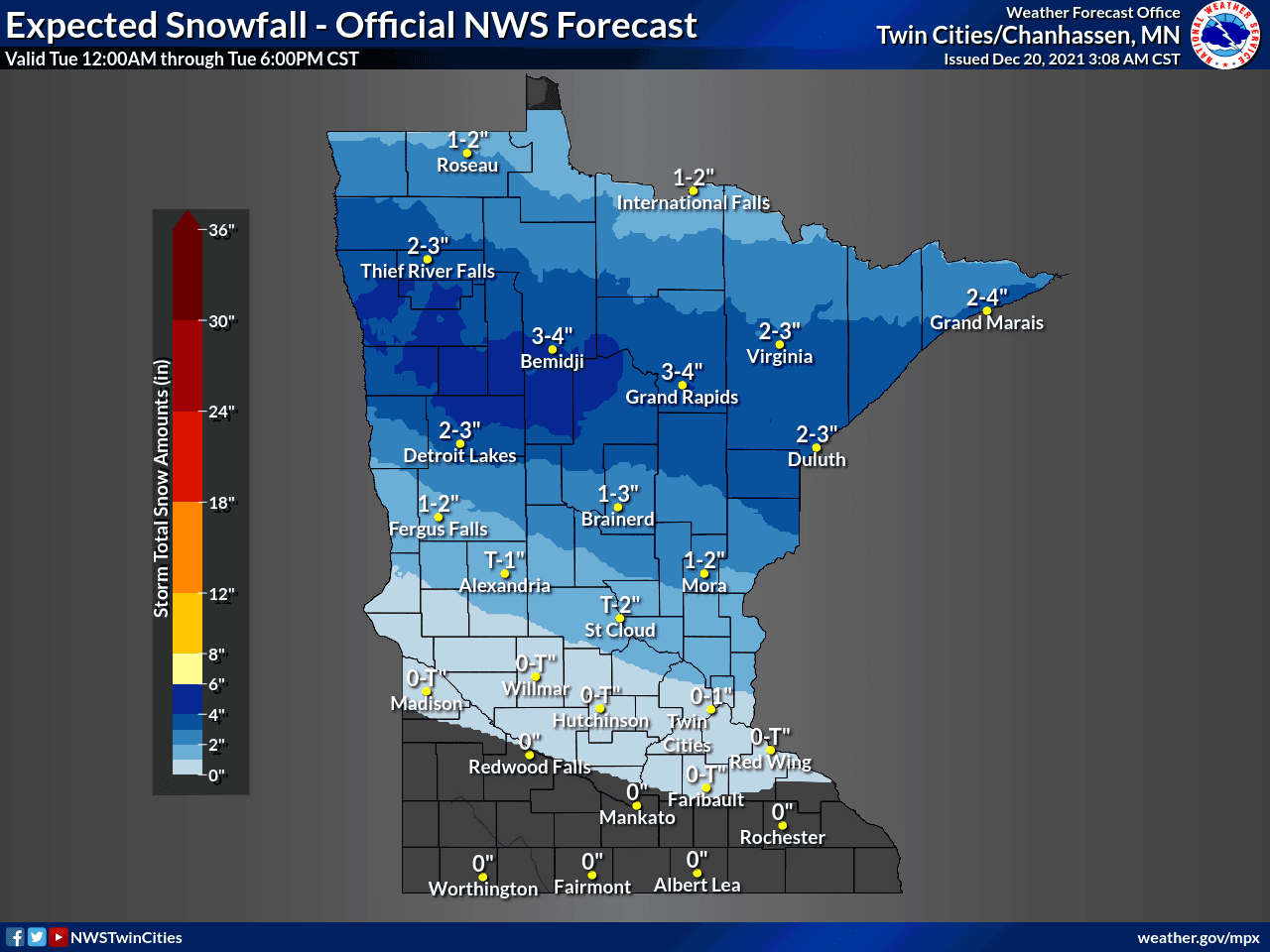
On December 8 through 10 a pair of fast moving clipper systems moved through the Upper Midwest and tracked a bit farther south than initial forecasts indicated. Updated guidance from the National Weather Service issued during that period lowered expected snowfall totals for portions of northern Minnesota, while maintaining warnings about travel impacts, pockets of heavy snowfall, and blowing snow in open areas.
The overall reduction in predicted accumulation offered some relief for parts of the region, but meteorologists emphasized that narrow, localized bands of heavier snow still had the potential to produce rapid accumulation and sudden drops in visibility. That pattern created uneven conditions across short distances, making roadside reports and official travel advisories especially important for anyone planning travel in and around Bemidji and the wider Beltrami County.
For local residents the storm sequence posed familiar public health and safety concerns. Even when total snowfall is less than first forecast, sudden white out conditions can endanger drivers, delay essential services, and complicate travel for people who rely on steady access to medical care and employment. Rural roads and open stretches are particularly vulnerable to blowing snow, which can obscure lane markings and make plowing operations more difficult. Those factors disproportionately affect older adults, people without flexible transportation options, and households that must travel for work or medical appointments.
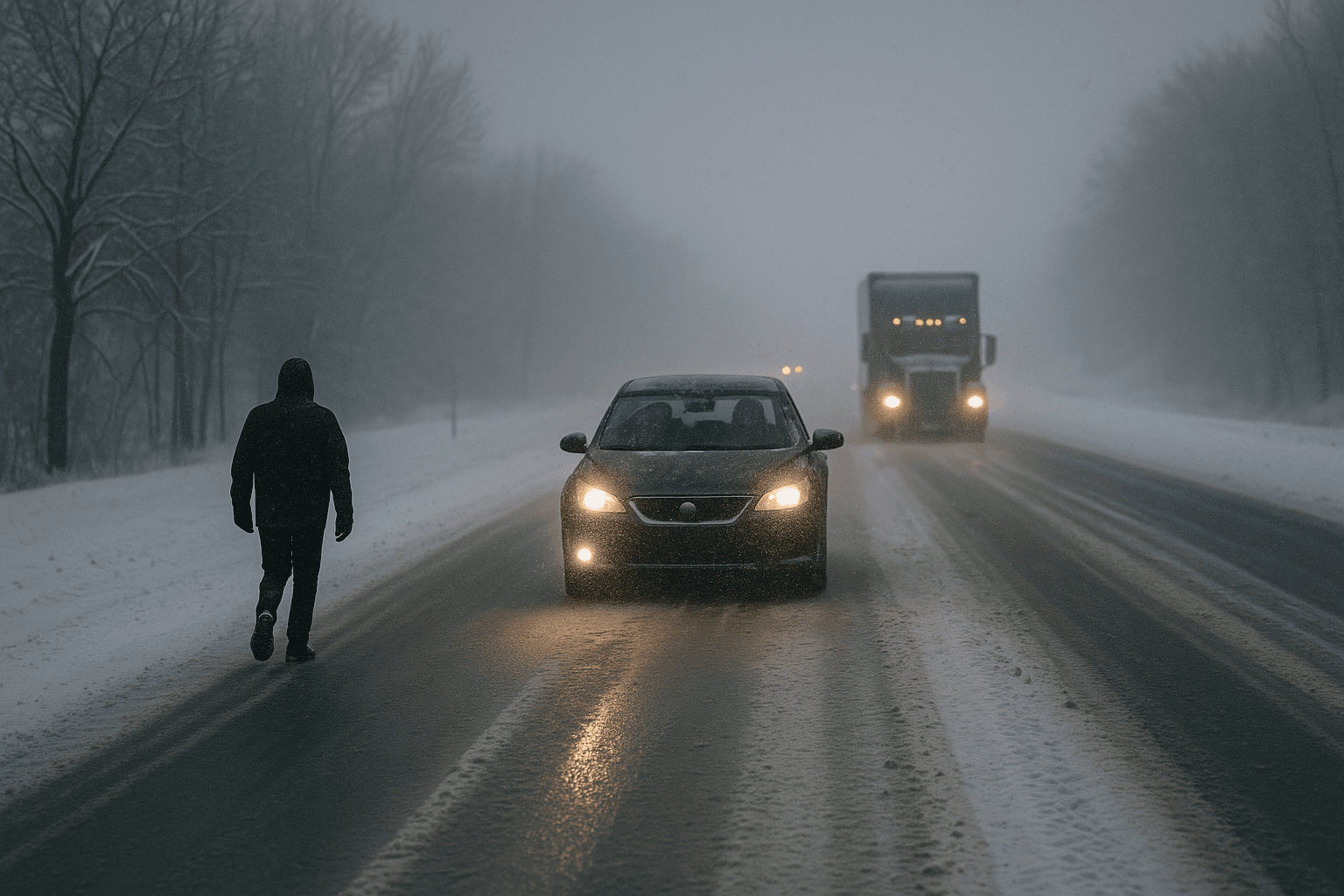
Community responders and road crews typically focus on state highways and main arterials first, leaving township and county roads more likely to see slower clearing. Residents were urged to check current travel advisories before heading out, adjust plans when advisories were in effect, and be prepared for rapidly changing conditions. Neighbors and community organizations play an important role during these events by helping people who may have difficulty preparing for sudden storms.
While the clipper systems ultimately brought lower totals than once feared in some locations, the episode highlights persistent vulnerabilities in rural emergency access and transportation equity. Staying informed about travel advisories and looking out for the most vulnerable neighbors can reduce the human cost when small systems produce sharp, localized impacts.
Know something we missed? Have a correction or additional information?
Submit a Tip

