Drunk Driver Nearly Struck Parade Spectators in Bemidji, Arrested
A 26 year old Bemidji man was arrested after police say he nearly hit people watching the Night We Light parade on November 26, 2025, witnesses held the driver at the scene until officers arrived. Breath tests at the Beltrami County Jail registered a blood alcohol concentration between 0.28 and 0.29, more than three times Minnesota's legal limit, highlighting local public safety and substance use concerns.
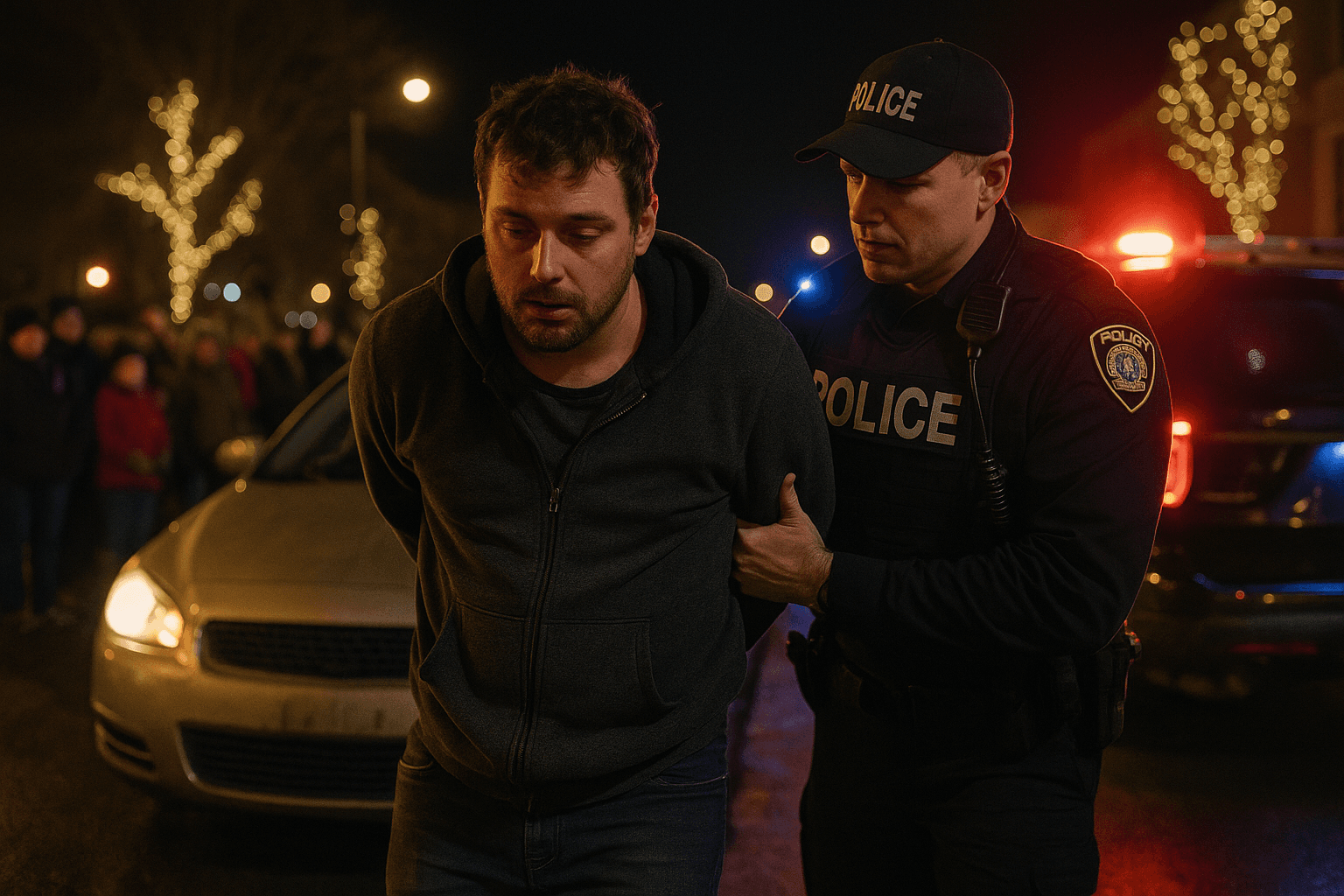
A dangerous incident during Bemidji's Night We Light parade on November 26 ended with an arrest and no reported injuries, but it left neighbors and officials confronting familiar questions about impaired driving and community safety. According to a criminal complaint cited in local reporting, the driver sideswiped another vehicle and came dangerously close to parade spectators near the intersection of 5th Street and Beltrami Avenue before witnesses held the driver at the scene until police arrived.
Authorities took the 26 year old Bemidji man into custody and transported him to the Beltrami County Jail where breath tests registered blood alcohol concentrations in the 0.28 to 0.29 range. Those readings are more than three times Minnesota's legal driving limit of 0.08. The driver has been charged with second degree driving while impaired and court proceedings are pending. No parade spectators were reported injured.
The high blood alcohol readings underscore both the immediate public health risk and broader patterns of harm when people drive while severely impaired. Levels in this range reflect profound impairment of judgment and motor control, and they raise the possibility of alcohol poisoning, a medical emergency. For a community event that draws families and children, the close call has prompted concern among residents about crowd safety, emergency response readiness, and enforcement at large public gatherings.
Beyond the single arrest, the episode highlights longer term policy and equity questions for Beltrami County. Rural communities often face limited access to substance use treatment, mental health services, and public transportation options that reduce reliance on driving. Prevention strategies such as expanded treatment resources, targeted education campaigns, safe ride programs, and consistent enforcement practices can reduce the risk of similar incidents in the future.
As prosecutors move forward with the charge, local leaders and residents will likely weigh how to balance public safety measures with investments in prevention and recovery services. The community will also be watching court proceedings to see how the legal system addresses an incident that could have caused significant harm during a beloved community celebration.
This article was produced by Prism’s automated news system from verified source data, official records, and press releases, then run through automated quality and moderation checks before publishing. The system is built and supervised by the people who set the standards it runs under. Read our full AI policy.
Did this article answer your question?