Forest Service Maintains Food-Storage Requirements in Boundary Waters Wilderness
The U.S. Forest Service kept strict food-storage rules in the Boundary Waters to limit human-bear interactions; visitors and local outfitters must follow the April-November storage season.
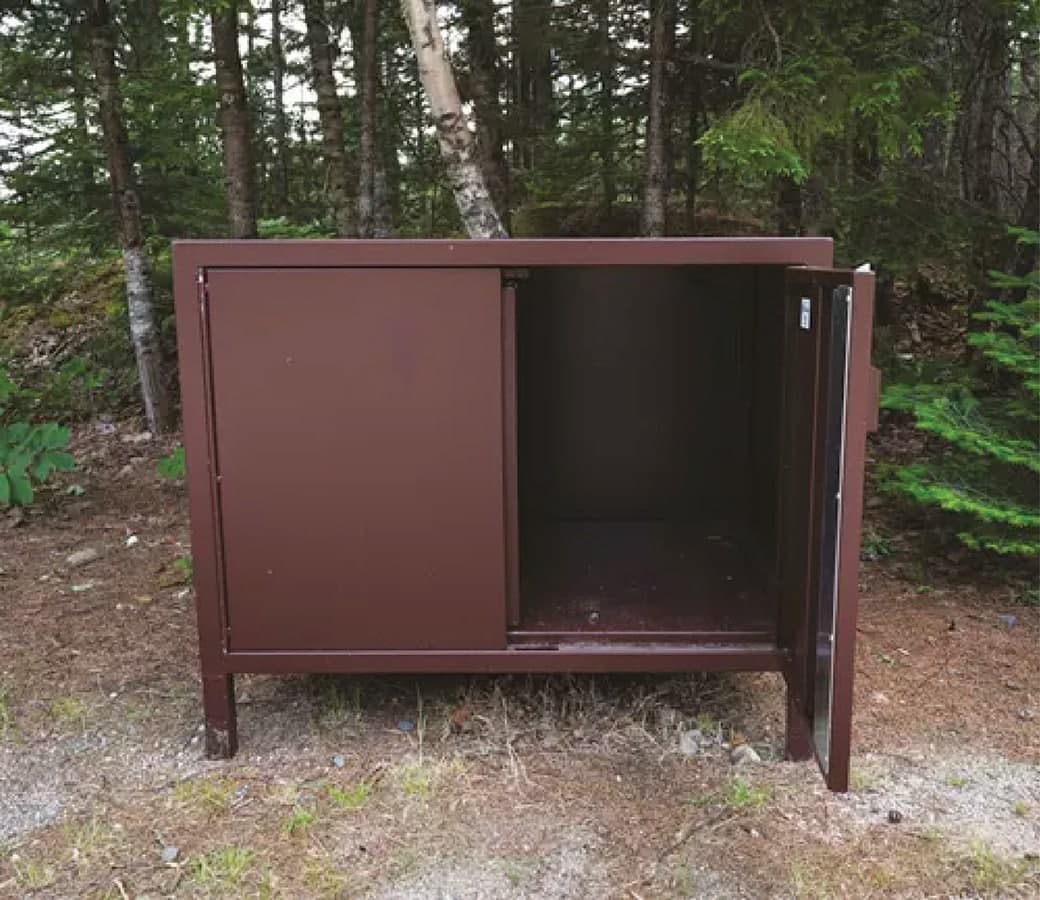
The U.S. Forest Service issued a five-year order maintaining current food-storage requirements across the Boundary Waters Canoe Area Wilderness, a move aimed at reducing human-bear interactions that can threaten public safety and wildlife. The order continues the stricter rules first put in place in spring 2024 and will remain in effect through routine monitoring by Forest Service staff.
Under the order, all food, food containers, garbage and scented items must be suspended at least 12 feet above the ground and at least 6 feet away from the trunk of a tree, or stored in an Interagency Grizzly Bear Committee-certified bear-resistant container. The storage season runs from April 1 through Nov. 30 each year, shortening the window from the previous order that began on March 1. The agency reported high visitor compliance with the 2024 rules and said staff will continue to track how well the measures work.
The policy change marked a shift from the agency’s earlier approach of applying targeted, temporary storage requirements only after local spikes in bears approaching campsites. Between 2021 and 2023, human-bear encounters in the Boundary Waters rose, prompting the permanent-style response in 2024. That year saw a dramatic drop in interactions within the Boundary Waters even as much of Minnesota experienced increases, a result the Forest Service cited in keeping the requirements.
For residents of Beltrami County and people who paddle, portage and camp in canoe country, the order affects daily routines and business practices. Visitors must plan for longer hikes to hang food properly or carry certified bear-resistant containers into the backcountry. Outfitters and local camps that serve Boundary Waters traffic will need to maintain education and compliance efforts to ensure guests meet suspension and container standards. Proper storage reduces the risk of food-conditioned bears returning to camps and of property damage or human injury that can follow.
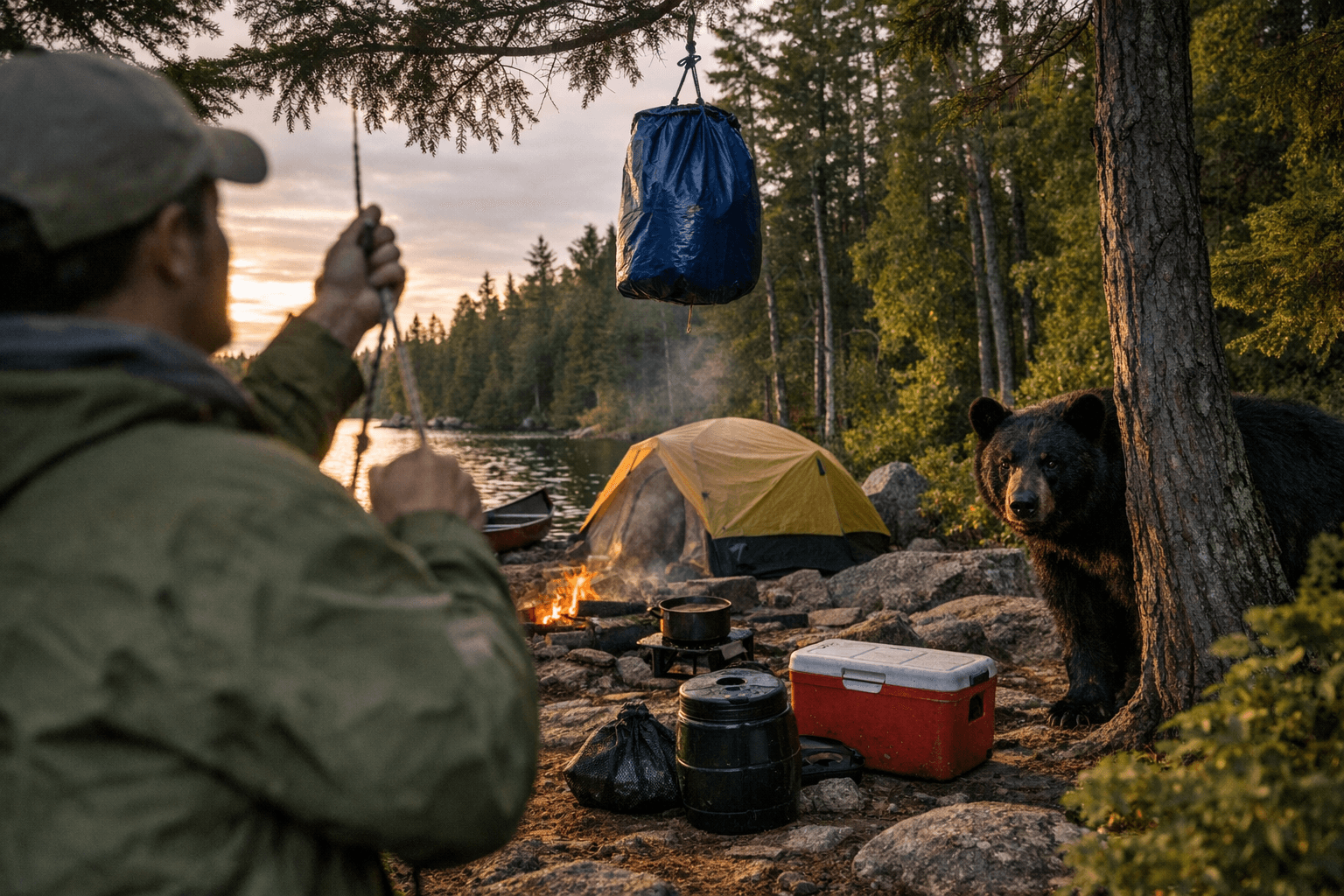
Policy-wise, the five-year duration signals a more sustained management posture by the Forest Service rather than one-off responses. Continued monitoring will be central to assessing whether the rules keep interactions low without imposing undue burdens on access and local businesses. The Interagency Grizzly Bear Committee certification requirement also elevates the role of standardized equipment in preventing conflicts.
The order will remain in place for five years while staff evaluate outcomes. For residents and Boundary Waters visitors, the immediate obligation is clear: secure attractants April through November to protect public safety, preserve the wilderness experience and reduce harm to bears.
This article was produced by Prism’s automated news system from verified source data, official records, and press releases, then run through automated quality and moderation checks before publishing. The system is built and supervised by the people who set the standards it runs under. Read our full AI policy.
Did this article answer your question?