Lauritsen discusses BSU hockey, attendance and NCAA changes
NCAA roster and scholarship changes could reshape Bemidji State hockey, while Lauritsen is also facing weak Sanford Center turnout and a fan base that has not fully filled the seats.

Britt Lauritsen’s latest interview lands at a moment when NCAA changes could ripple straight into Bemidji State hockey, from roster building and scholarship planning to the feel of a game night at the Sanford Center. The conversation also puts a local problem in plain view: if hockey is still one of Bemidji’s defining brands, the building itself is not always reflecting that identity in the seats.
NCAA changes are now a Bemidji State issue
The biggest backdrop is the shifting NCAA landscape, especially the age-based eligibility model and the broader settlement changes that can alter how schools structure teams and budgets. For a smaller-market program like Bemidji State, those questions are not abstract conference talk, they can affect who is recruited, how long players stay eligible, and how carefully every athletics dollar has to be spent.
Bemidji State has already shown caution in that new environment. Lakeland PBS reported in 2025 that the university opted out of the NCAA House settlement before the deadline after months of deliberation, even though opting in would have opened the door to up to $20.5 million in total athlete compensation tied to NIL-related changes and scholarship adjustments. That decision gives real context to Lauritsen’s role: she is managing a program at a school that has already chosen not to jump immediately into the new financial model.

That matters most in hockey, where roster depth, player development and competitive balance can shift quickly. The Pioneer teaser says Lauritsen talked about the importance of college hockey in Bemidji and where the Beavers stand in women’s hockey, which suggests the school is thinking about more than one team and more than one season. The larger uncertainty is how NCAA policy changes will affect the day-to-day mechanics of building a competitive roster in a region where hockey has outsized cultural weight.
Attendance is the clearest local test
If the NCAA changes are the strategic pressure point, attendance is the immediate public one. A Jan. 31, 2025 women’s hockey game at the Sanford Center between Bemidji State and Minnesota State drew an announced crowd of 313, a number that shows how hard it can be to turn hockey tradition into consistent butts in seats.
That crowd figure matters because the Sanford Center is not just any venue. It describes itself as Northern Minnesota’s largest event center and the home of Bemidji State University Beavers hockey, and the rink is built into how the city presents itself in winter. When attendance is thin, the impact goes beyond optics, because lower turnout affects atmosphere, local energy and the broader sense that the community is showing up for a program that has long been part of Bemidji’s identity.
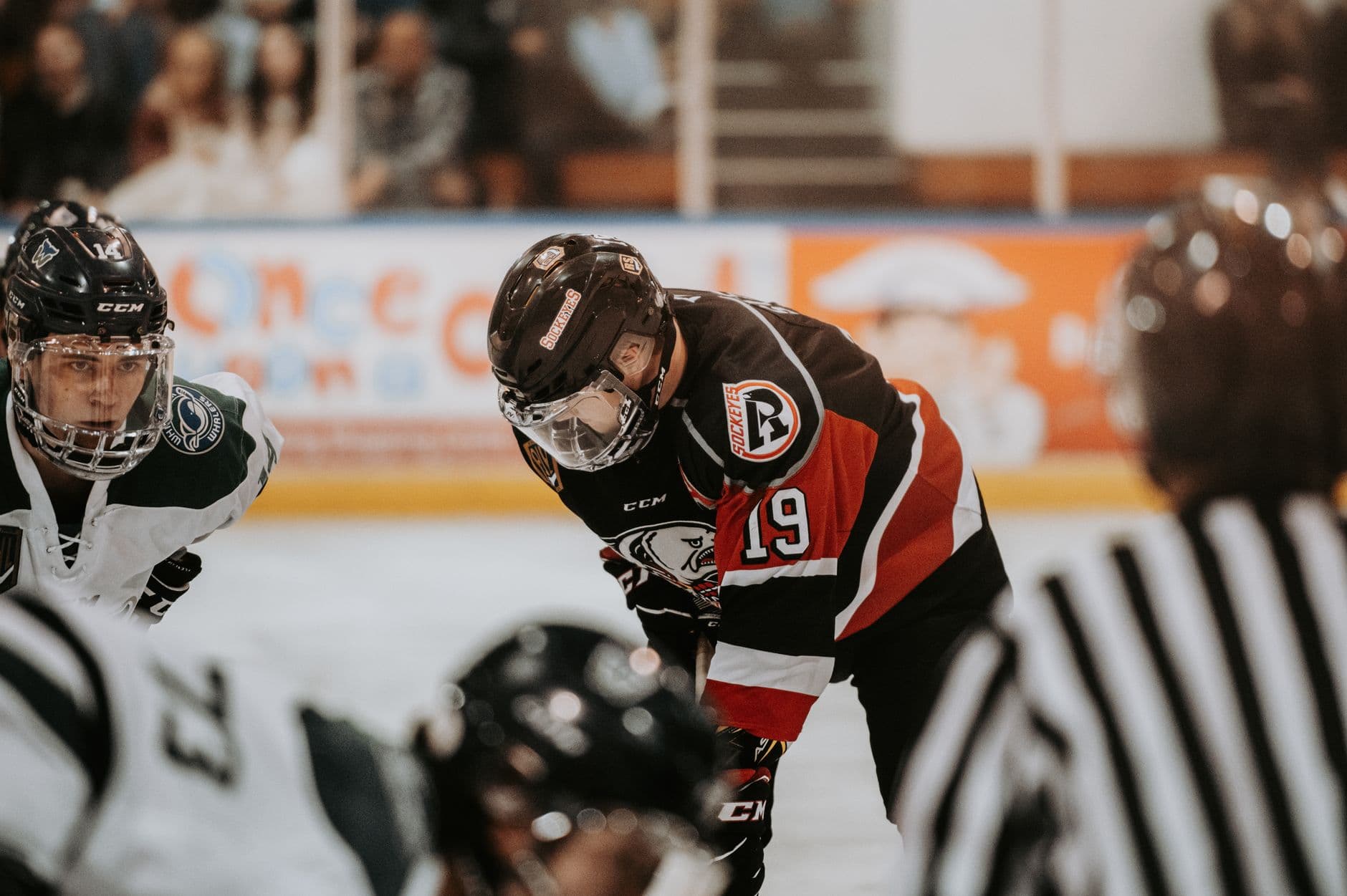
The arena’s season-ticket structure also shows how central BSU hockey is to its business model. The Sanford Center says Beaver hockey season-ticket holders get 18 regular-season home games, which means the schedule is designed to create repeated opportunities for engagement, not just one marquee weekend. The question for Lauritsen and the athletic department is why that built-in inventory is not always converting into fuller stands, especially when the program is one of the most visible sports brands in town.
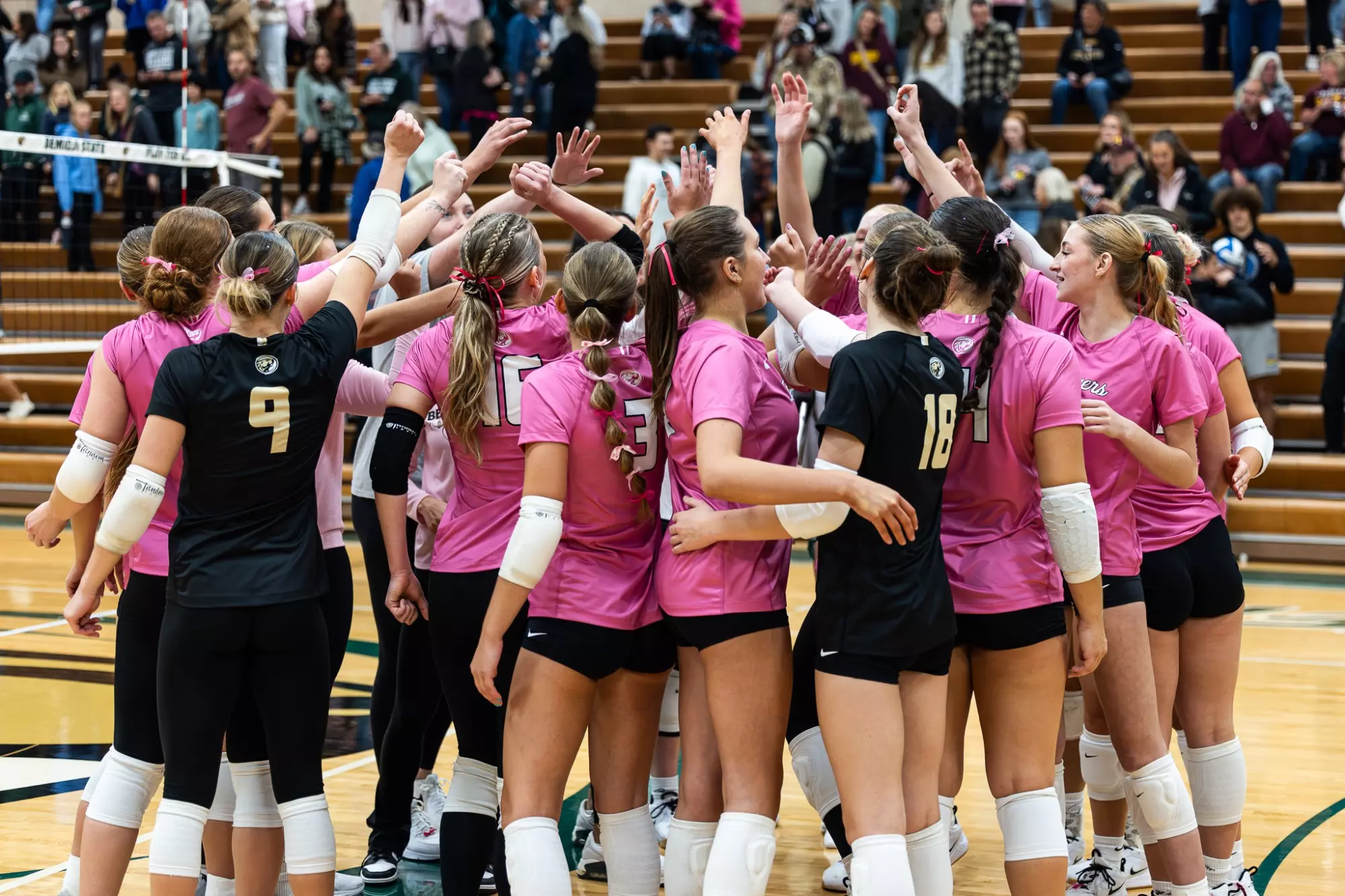
The women’s team’s 2025-26 results help explain why the attendance conversation cannot be separated from performance. Bemidji State opened that season at home against Wisconsin on Sept. 26-27, 2025, and its schedule page listed the team at 6-27-3 overall. In a market where hockey fans are also tracking men’s and women’s programs together, a difficult record can make the job of drawing casual support even harder.
Lauritsen’s timeline shows how quickly the job changed
Lauritsen has been in the athletic director chair since July 1, 2022, after eight years at Washburn University. That timeline matters because she has spent her early tenure steering Beaver Athletics through a period when NCAA governance, NIL rules and eligibility questions have all become more complicated, not less.

The Pioneer’s decision to make this the first part of a two-part series also signals that the school’s athletic picture is larger than hockey alone. The second part will focus on Bemidji State’s Division II sports, which puts Lauritsen’s portfolio into a broader institutional frame: hockey may be the most visible brand, but it is one piece of a department that has to balance multiple programs, multiple levels and multiple financial realities.
That broader lens is especially important in Bemidji, where the hockey calendar still shapes winter life. Public schedule pages show the women’s team navigating a 2025-26 slate that includes the Wisconsin home series and a season that has already required the program to travel and reset frequently, while the men’s schedule includes road games at Alaska Anchorage and home conference dates. Together, those schedules reinforce the same point: Bemidji State hockey remains deeply tied to the city’s identity, but keeping that identity visible in the Sanford Center will require more than tradition alone.
For Beltrami County, the story is about more than a coach’s quote or a one-week snapshot. It is about how NCAA policy, university finances and community turnout collide in a town where hockey is still supposed to feel like a shared civic habit, and whether Bemidji State can keep that habit strong as the rules around college sports keep changing.
This article was produced by Prism’s automated news system from verified source data, official records, and press releases, then run through automated quality and moderation checks before publishing. The system is built and supervised by the people who set the standards it runs under. Read our full AI policy.
Know something we missed? Have a correction or additional information?
Submit a Tip