Local Media Leader Urges Community-Centered Journalism to Restore Trust
Forum Communications president Bill Marcil Jr. wrote a column on January 2, 2026 calling for thoughtful, fact-driven, community-centered journalism that listens first, amplifies unheard voices, and avoids inflaming divisions. His message underscores the stakes for Beltrami County residents by linking local reporting practices to public trust, civic engagement, and accountable local government.
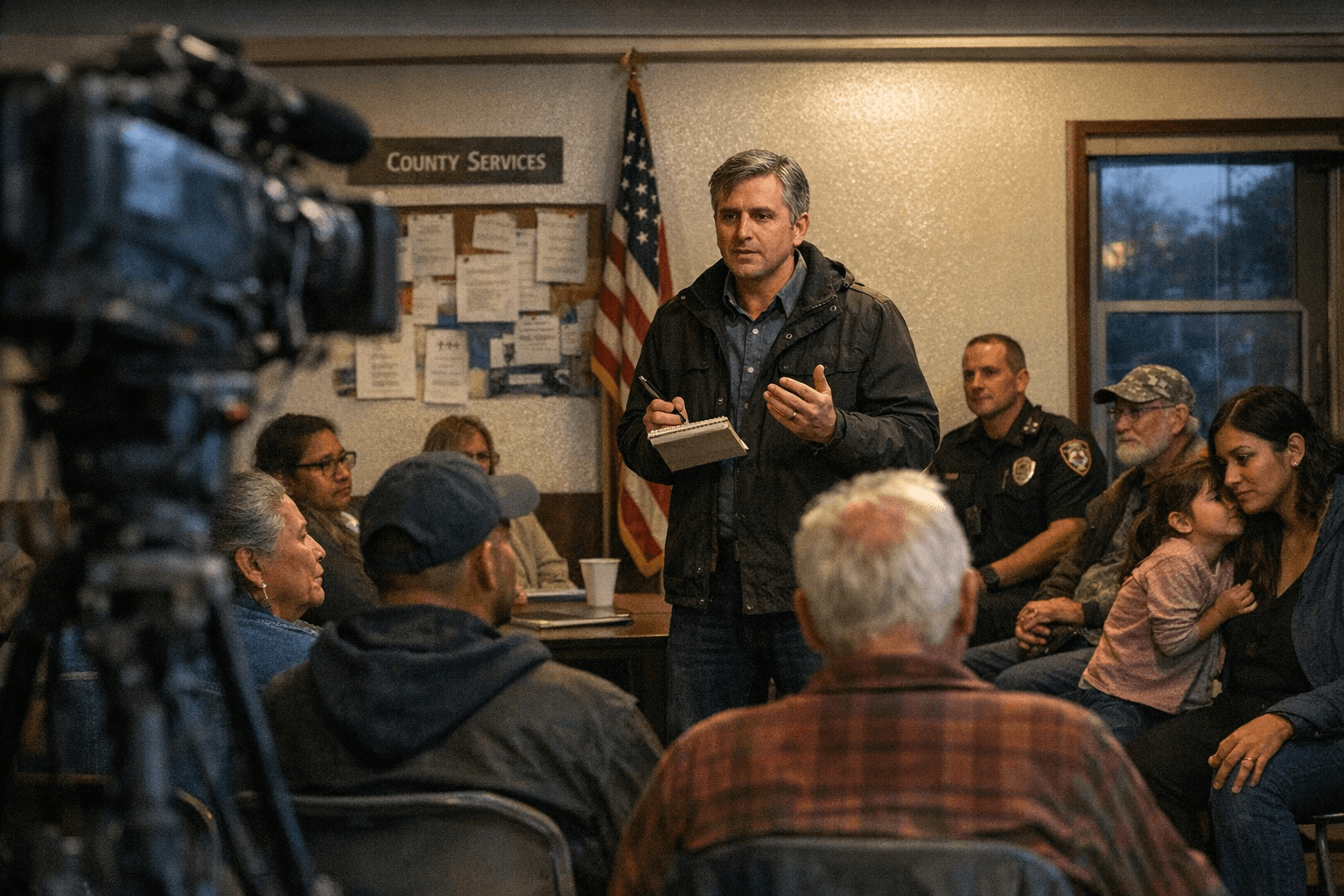
Bill Marcil Jr., president and CEO of Forum Communications, published a column at the start of 2026 urging news organizations to prioritize journalism that serves the public good rather than polarizing audiences. Marcil reflected on his long association with the family business and framed a responsibility for local outlets to rebuild public trust through careful, constructive coverage that connects communities and fosters solutions.
Marcil’s argument centers on several practices: listening before reporting, amplifying voices that are often unheard in public debate, and avoiding sensationalism that deepens division. He called for reporting that is thoughtful and fact-driven, and he stressed the need for local newsrooms to measure success by community impact rather than audience outrage. Those principles have immediate relevance for Beltrami County where residents depend on local reporting for information about county government, school boards, and public services.
The policy implications are practical. Restoring trust in local news can increase civic participation, improve the quality of public debate, and strengthen accountability for elected officials. Robust local journalism supports informed voting by providing context on municipal budgets, zoning decisions, and county-level policy choices that directly affect property taxes, public safety, and local services. Conversely, shrinking newsroom capacity or coverage that prioritizes clicks over context can leave gaps in oversight and reduce the flow of timely, accurate information to voters.
Institutionally, Marcil’s column points to decisions newsroom leaders must make about resource allocation and editorial priorities. Investing in community-centered reporting often requires sustained coverage of local institutions and beats that do not generate immediate audience spikes but are essential for transparency. Partnerships between newsrooms, civic organizations, and local government can help preserve institutional memory and ensure continuity of public records access.
For Beltrami County residents, the call is straightforward: the quality and tone of local journalism shape how well the community can hold institutions accountable and participate in civic life. As local outlets consider how to implement those ideals, county officials, civic groups, and voters will face choices about supporting reliable information channels, advocating for transparency, and engaging with newsrooms to ensure coverage reflects diverse community needs. The column serves as a reminder that journalism remains a civic tool, and its health affects how local democracy functions.
This article was produced by Prism’s automated news system from verified source data, official records, and press releases, then run through automated quality and moderation checks before publishing. The system is built and supervised by the people who set the standards it runs under. Read our full AI policy.
Did this article answer your question?