Minnesota crime victim services face possible $12 million federal cut
A $12 million state backfill is on the table as Minnesota’s victim-services network braces for a 20% federal cut that could hit shelters, advocates and court support first.
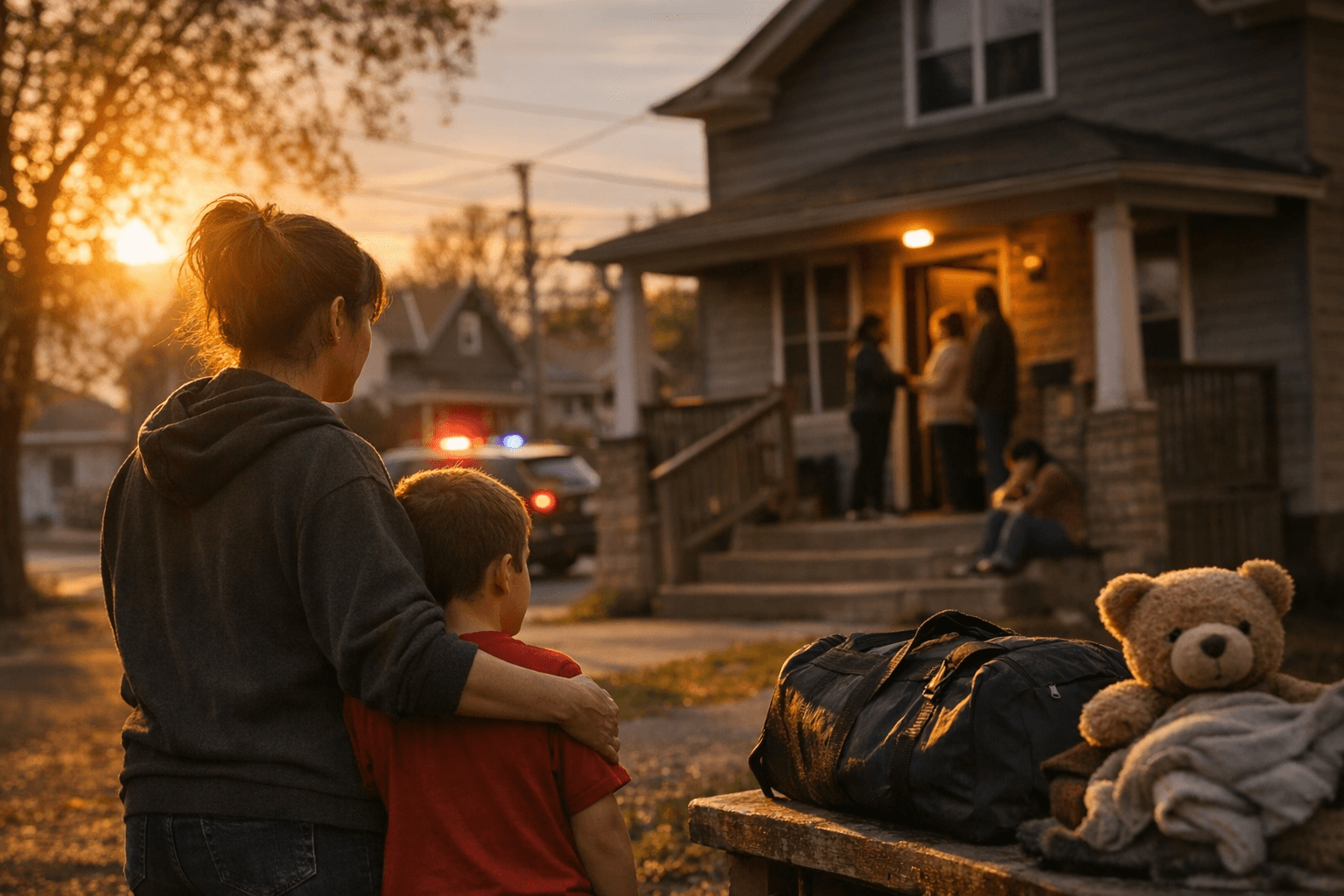
A $12 million state backstop is moving forward as Minnesota’s crime victim services brace for a federal funding drop that could ripple into shelter beds, counseling hours and courtroom advocacy for survivors in Beltrami County.
The Minnesota House Public Safety Finance and Policy Committee advanced an amended HF1082 that would send $12 million in fiscal year 2027 to a new Minnesota Victims of Crime account for grants to victim service providers. Rep. Kelly Moller, DFL-Shoreview, said the federal Crime Victims Fund peaked at $3.85 billion in 2018 and fell to $1.2 billion in 2024, a collapse that is forcing state lawmakers to look for a steadier source of money.
The pressure is already reaching the front lines. Violence Free Minnesota said the state will face a 20% cut in victim services funding because of federal shortfalls, and its 2025 DV Counts snapshot showed unmet needs among survivors rising from 196 in 2024 to 793 in 2025. The group said its member programs serve tens of thousands of Minnesotans and include more than 90 programs in every county.
That matters in Beltrami County because the first losses are rarely abstract. If grant dollars shrink, local survivors are the ones who feel it when a shelter cannot stretch a bed another night, when an advocate has less time to sit with someone preparing for court, or when counseling referrals slow down after an assault or domestic violence call. Minnesota law already promises victims financial assistance, advocacy and support services, protection from harm or harassment, notification of offender-status developments, and the right to participate in criminal proceedings. Those rights are only meaningful if the services behind them stay staffed and available.
Gov. Tim Walz launched a federal funding-cuts dashboard on April 9, 2025, to track disruptions and cancellations affecting Minnesota services, part of a broader warning from state officials that federal disruptions are continuing despite court orders. The dashboard underscores how vulnerable the system has become, even as lawmakers try to build a more durable account for future grants.
The committee’s action came as lawmakers weighed how to stabilize a program that has existed since 1984. For counties like Beltrami, the stakes are immediate: fewer dollars can mean longer waits for support, fewer crisis-response hours, and more pressure on local providers already trying to cover the gap for people seeking safety in Bemidji and across north-central Minnesota.
This article was produced by Prism’s automated news system from verified source data, official records, and press releases, then run through automated quality and moderation checks before publishing. The system is built and supervised by the people who set the standards it runs under. Read our full AI policy.
Did this article answer your question?