Minnesota fires missing and murdered Indigenous relatives office director
Minnesota removed Guadalupe Lopez as MMIR director, raising fresh worries in Bemidji and Cass Lake as the office handles 21 cases and one of its smallest teams.
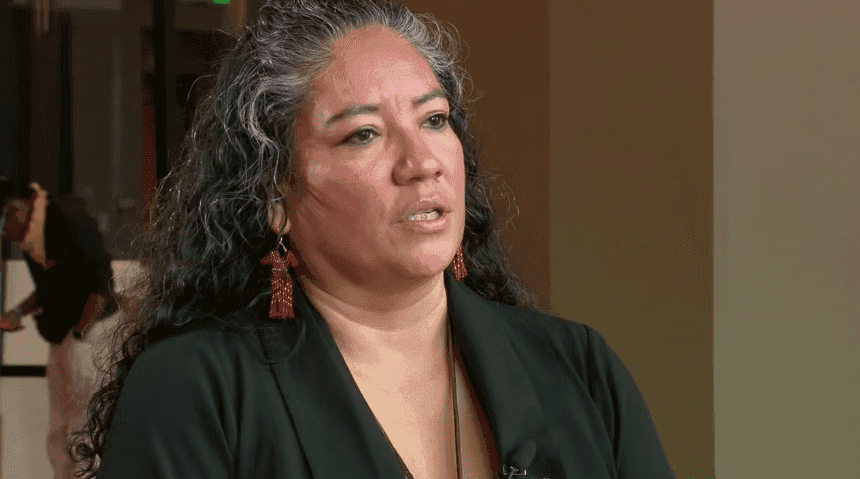
The sudden firing of Guadalupe Lopez left one fewer top advocate in a state office that families in Bemidji, Cass Lake and across the Leech Lake Reservation have come to lean on for coordination, trust and pressure in missing and murdered Indigenous relatives cases.
Lopez, an enrolled member of the Leech Lake Band of Ojibwe, was terminated Wednesday, May 6, less than a year after she was appointed to lead Minnesota’s Missing and Murdered Indigenous Relatives Office in July 2025. She said she was shocked by the decision and was told she had made “some poor leadership decisions.” The Minnesota Department of Public Safety, which oversees the office, said it could not comment on the reason for her separation and confirmed May 6 was her last day.
The timing landed especially hard in Indigenous communities already carrying long memories of unresolved cases. Lopez had taken part in a National MMIR Day of Awareness remembrance ceremony in Minneapolis on May 5, the day before she was dismissed. For families in Beltrami County, where the disappearances of Jeremy Jourdain and Nevaeh Kingbird remain painful touchstones, the loss of the office director raises immediate questions about continuity in a small but high-profile state program built around case support and public trust.
Minnesota created the MMIR office in 2021 as the first state office in the nation focused on missing and murdered Indigenous relatives. The office came out of a two-year task force study that found American Indian women and girls were disproportionately represented among Minnesota’s missing and murdered. State leaders originally expected the office to have a director and three other employees, underscoring how lean the operation remains even as demand has grown.
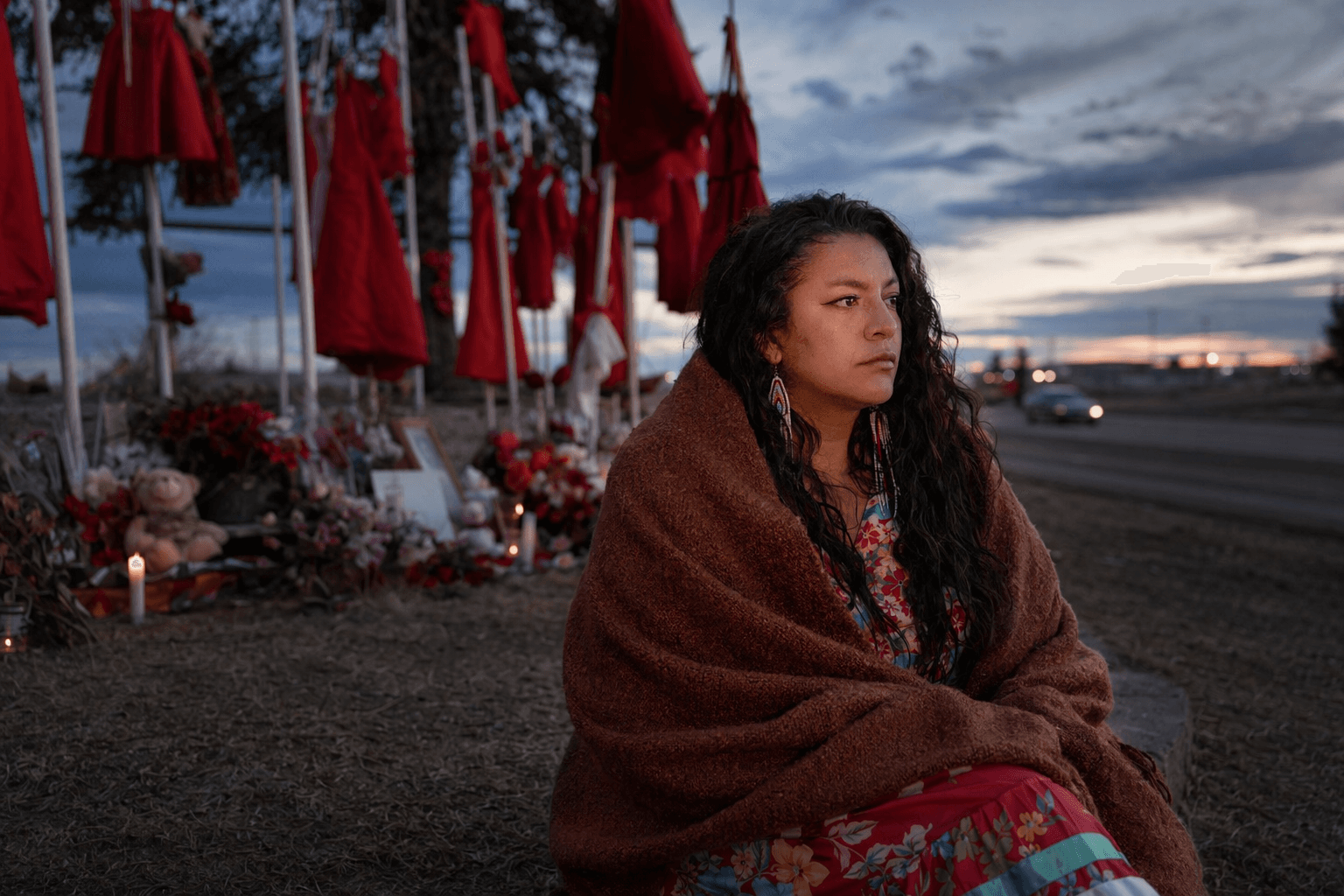
That demand has climbed sharply. When the Gaagige-Mikwendaagoziwag Reward Fund launched in July 2025, the office was assisting with four open cases. By May 2026, it was working with 21. The fund, whose Ojibwe name means “they will be remembered forever,” was designed to pay tips in unsolved cases. Lawmakers set aside $250,000 to start it, and another $100,000 later came from sales of 4,500 specialty MMIR license plates.
Before joining the state, Lopez spent four years as executive director of Violence Free Minnesota and more than 25 years advocating for women, especially Indigenous women. Her removal now puts new attention on how Minnesota will maintain momentum in a program that was built to answer a crisis still felt deeply in Beltrami County, where families and advocates continue pressing for answers.
This article was produced by Prism’s automated news system from verified source data, official records, and press releases, then run through automated quality and moderation checks before publishing. The system is built and supervised by the people who set the standards it runs under. Read our full AI policy.
Did this article answer your question?