Minnesota Medicaid providers face uncertainty after revalidation deadline passes
More than 3,300 Medicaid providers were still pending after Minnesota’s May 31 deadline, leaving Bemidji-area clinics and home-care agencies uncertain about billing and appointments.
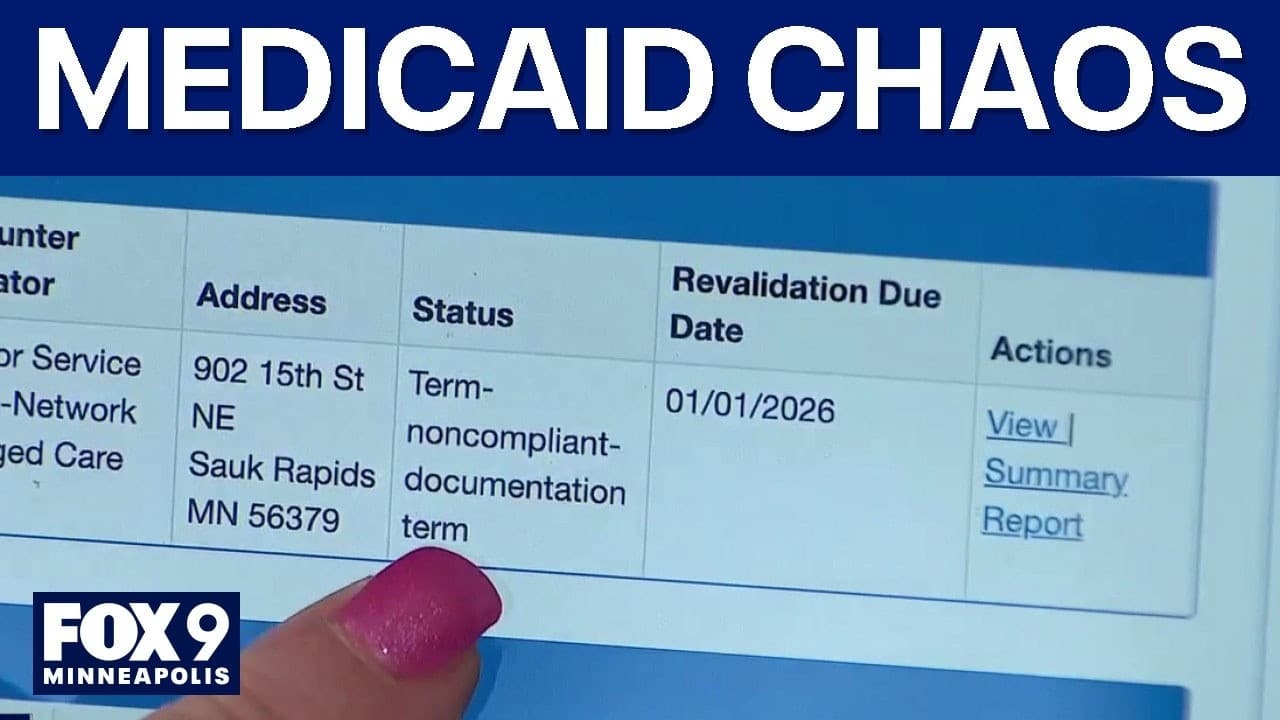
Beltrami County residents who depend on Medicaid-backed care are now dealing with a simple but urgent question: will their clinic, therapist, home-care agency or residential provider still be able to bill the state after the May 31 revalidation deadline passed? In Bemidji and across the county, where the network of behavioral health, home-care and other Medicaid-participating services is limited, even a temporary enrollment problem can mean delayed appointments, rescheduled therapy sessions and longer trips to find another provider.
The state’s review, called Minnesota Revalidate 2026, was ordered after Gov. Tim Walz announced a third-party audit of Medicaid billing on Oct. 29, 2025, amid fraud concerns that prompted the Centers for Medicare and Medicaid Services to threaten withholding up to $2 billion from Minnesota’s Medicaid program. Minnesota Department of Human Services says the off-cycle revalidation applies to high-risk service categories and that providers normally revalidate at least once every five years. DHS also said 168 state workers were assigned to conduct in-person site visits as part of the effort.

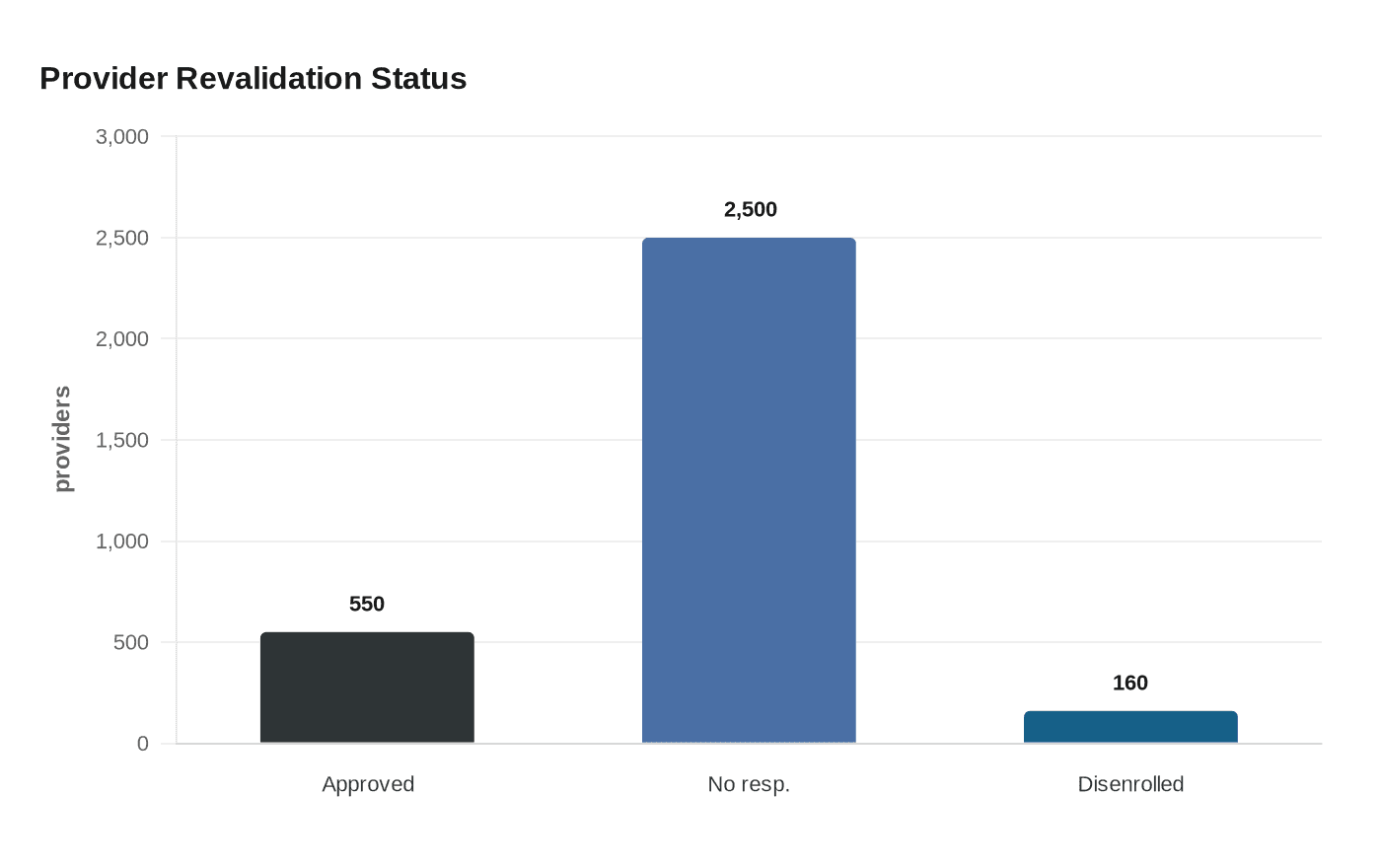
By April 10, state officials said they were evaluating 5,583 Medicaid providers in 13 high-risk service areas. At that point, 550 had been approved, about 2,500 had not responded or had incomplete applications, and 160 had already been disenrolled. By June 1 and June 2, reports said just over 1,000 providers had been approved, just over 1,000 had been disenrolled, and more than 3,300 were still pending. Advocacy groups for disability-service providers said many legitimate organizations were caught in the middle, with paperwork still unresolved even after submissions were made.
That uncertainty matters in rural counties like Beltrami, where one clinic, one behavioral-health program or one home-care agency may cover a wide geographic area. If billing eligibility lapses, providers may have to absorb costs, postpone care or tell patients to go elsewhere. DHS has said providers should check notices carefully and that an appeals process exists for those who believe they were wrongfully disenrolled, but the agency has not clearly explained what pending status means for payment. For families already balancing disability, transportation and financial pressure, the state’s administrative timeline is now part of the care equation.
This article was produced by Prism’s automated news system from verified source data, official records, and press releases, then run through automated quality and moderation checks before publishing. The system is built and supervised by the people who set the standards it runs under. Read our full AI policy.
Know something we missed? Have a correction or additional information?
Submit a Tip