Minnesota's role in training glider pilots for D-Day invasion
Minnesota trained part of the hidden glider force behind D-Day, and Beltrami County still has records that can connect families to that risky airborne mission.
Why gliders mattered on D-Day
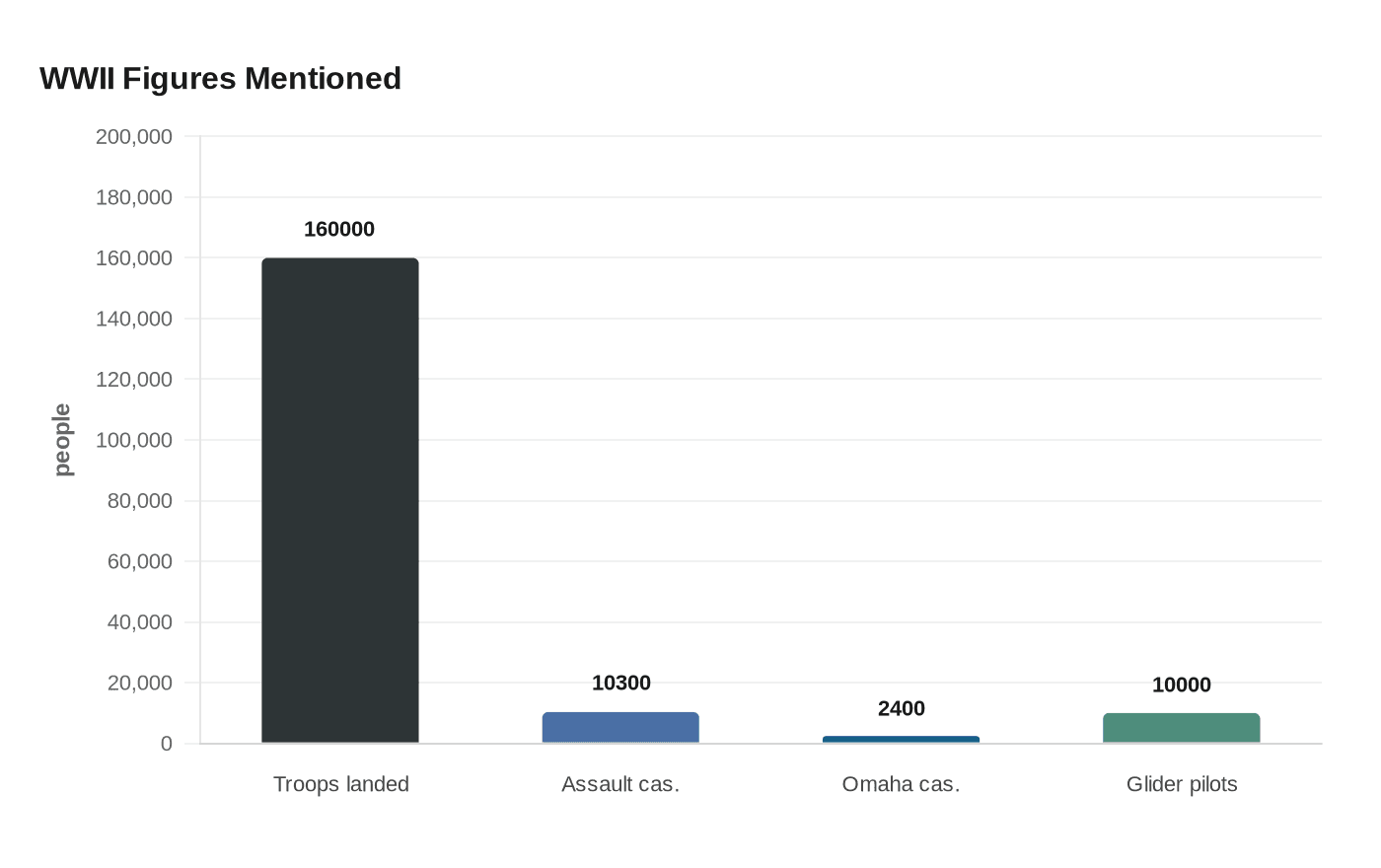
The glider pilots who helped carry Allied troops into Normandy were part of one of the war’s riskiest jobs, and their story is still easy to miss. D-Day, June 6, 1944, opened Operation Overlord and the Battle of Normandy, with nearly 160,000 Allied troops landing by parachute, glider, or amphibious craft. By nightfall, more than 10,300 Allied assault casualties had been recorded, including about 2,400 at Omaha Beach.
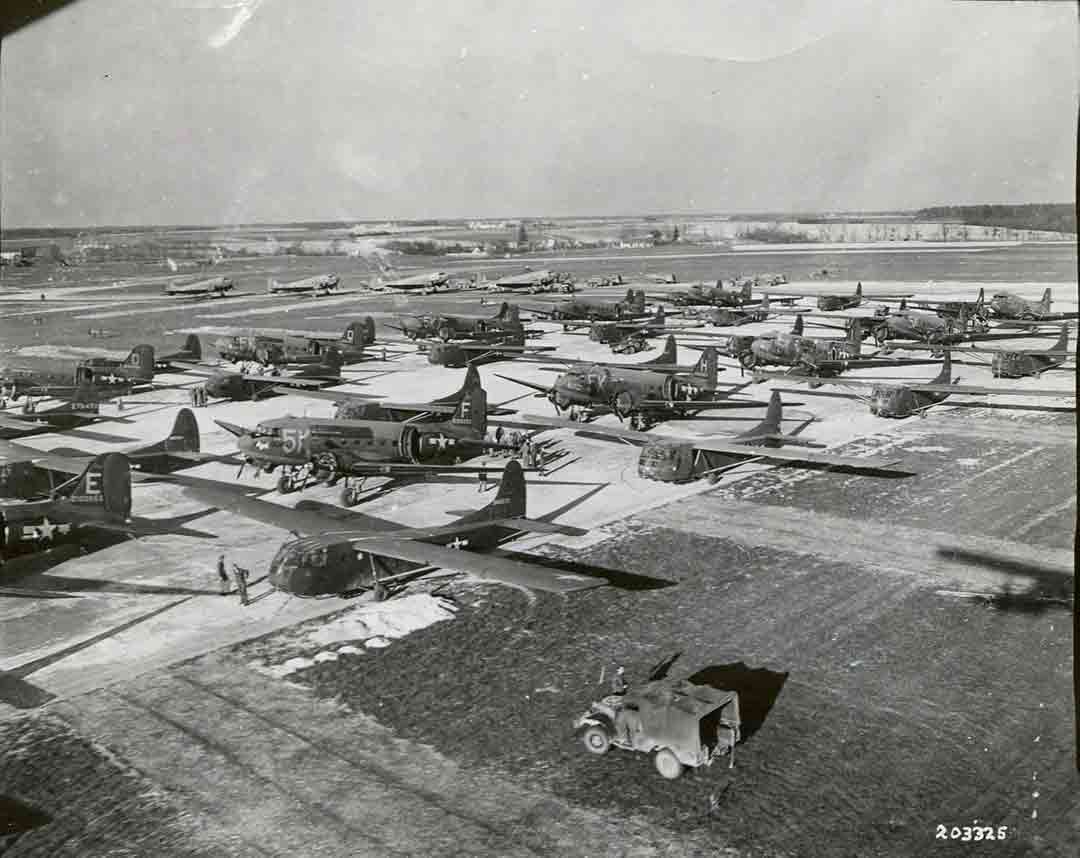
That scale matters because the airborne side of the invasion depended on more than paratroopers alone. In divisions such as the 82nd, 101st, and 17th, about half the soldiers arrived in gliders rather than by parachute. Those aircraft carried men, equipment, and the chance to seize key ground before German defenders could organize a counterattack.
How a fragile aircraft became a battlefield tool
The U.S. Army developed the Waco CG-4A glider in 1942, and the aircraft was a study in wartime improvisation. Built largely of wood, fabric, and steel tubing, it was designed to be cheap enough and simple enough to mass-produce, even though it offered no engine, no armor, and almost no margin for error. Army histories have described the mission bluntly: pilots were sending plywood-and-cloth aircraft straight toward enemy defenses.
Germany had already shown what gliders could do in combat, especially in the 1940 attack on Belgium’s Eben-Emael fortress. That operation helped persuade the Allies that gliders were not a sideshow but a serious military tool. By the end of World War II, about 10,000 U.S. glider pilots had qualified, which shows how much training and manpower the program ultimately consumed.

Minnesota’s place in the airborne pipeline
Minnesota was not one of the three official glider training centers, but it was part of the wider wartime ecosystem that made those pilots possible. The main training centers were in Missouri, Nebraska, and North Carolina, where pilots learned to handle a powerless aircraft under intense pressure and with little room for correction. Those schools fed the larger airborne effort that culminated over Normandy.
That connection is easy to overlook because the history of D-Day usually centers on beaches, paratroopers, and famous commanders. The glider element is less visible, yet it was central to the airborne assault and to the logistics of getting troops where they were needed. Minnesota’s role, then, is not a story of one famous battlefield unit. It is a story of support, training, labor, and the home-front infrastructure that made the invasion possible.
What Beltrami County residents can still see today
If you want to trace this history from Beltrami County, the clearest place to start is the Beltrami County Historical Society in Bemidji. The society has collected and shared county history since 1952 from the historic James J. Hill depot, and that makes it a natural first stop for family papers, photographs, and local names tied to World War II service. Even when a glider pilot did not leave a famous battlefield memoir, a county archive can still hold the clues that connect a Bemidji-area family to the Normandy campaign.
That kind of local record matters because airborne history often survives in fragments. A photograph, a name on a roster, a newspaper clipping, or a depot-era file can turn a distant war story into a household one. For Beltrami County, the depot itself is part of the memory trail, a surviving place where the county’s past has been gathered for generations.
Minnesota’s larger war effort put the glider story in context
The state’s contribution to World War II was not limited to soldiers overseas. Minnesota also powered the home front, and the Twin Cities Ordnance Plant is one of the clearest examples of the scale involved. At its peak in July 1943, the plant employed 26,000 people, about 1% of Minnesota’s population at the time, and more than half of those workers were women.
That figure helps explain why the state’s wartime history deserves more attention than it often gets. Minnesota was not just sending sons, brothers, and fathers into uniform. It was also turning out weapons, working long shifts, and filling industrial jobs that reshaped households and communities across the state. The glider training story fits into that same pattern: a local and regional effort feeding a global military operation.
The overlooked part of the D-Day story is not that it was small. It is that it was hidden in plain sight. The invasion that opened the Western Front depended on thousands of pilots trained for one-way flights in fragile aircraft, and Minnesota was part of the national machine that made that possible. For Beltrami County, the surviving records at the James J. Hill depot are a reminder that even the quietest local archive can still hold a direct line to Normandy.
This article was produced by Prism’s automated news system from verified source data, official records, and press releases, then run through automated quality and moderation checks before publishing. The system is built and supervised by the people who set the standards it runs under. Read our full AI policy.
Did this article answer your question?