New Executive Director Aims to Revive Bemidji Food Shelf Greenhouse
Jennifer Aakre became executive director of the Bemidji Community Food Shelf in mid-November and has spent her first weeks learning operations, strengthening volunteer and community ties, and setting priorities for 2026. Her top tasks include reviving a winter greenhouse and using recently awarded state grant funds to repair or replace high tunnels damaged in the June windstorm, efforts that could expand local fresh produce availability and reduce reliance on purchased food.

Jennifer Aakre took the helm of the Bemidji Community Food Shelf in mid-November and immediately began a hands-on transition focused on operations, volunteer coordination, and program planning for the year ahead. A northern Minnesota native, Aakre comes to the food shelf after roles at Evergreen Youth & Family Services, the Boys & Girls Club of Bemidji, and teaching at TrekNorth, experience the board cited in its decision to hire her.
Staff and volunteer collaboration is central to Aakre’s early agenda. She has spent her initial weeks meeting with staff and volunteers to assess storage, distribution logistics, inventory management, and community outreach needs. The food shelf is also prioritizing repairs linked to a damaging windstorm last June that compromised several high tunnels - the greenhouse-style structures used to extend local growing seasons. The organization recently received state grant funding intended to repair or replace that damaged greenhouse infrastructure, a development that will shape capital and program decisions in the coming months.
Reviving the food shelf’s winter greenhouse ranks among the top operational priorities. Restoring year-round growing capacity would increase the supply of fresh produce available to local residents and could reduce the food shelf’s dependence on purchased perishable items, easing budget pressure. For a rural county where access to affordable fresh food can be limited by distance and seasonality, expanded local production can improve nutrition outcomes for vulnerable households and lower distribution costs over time.
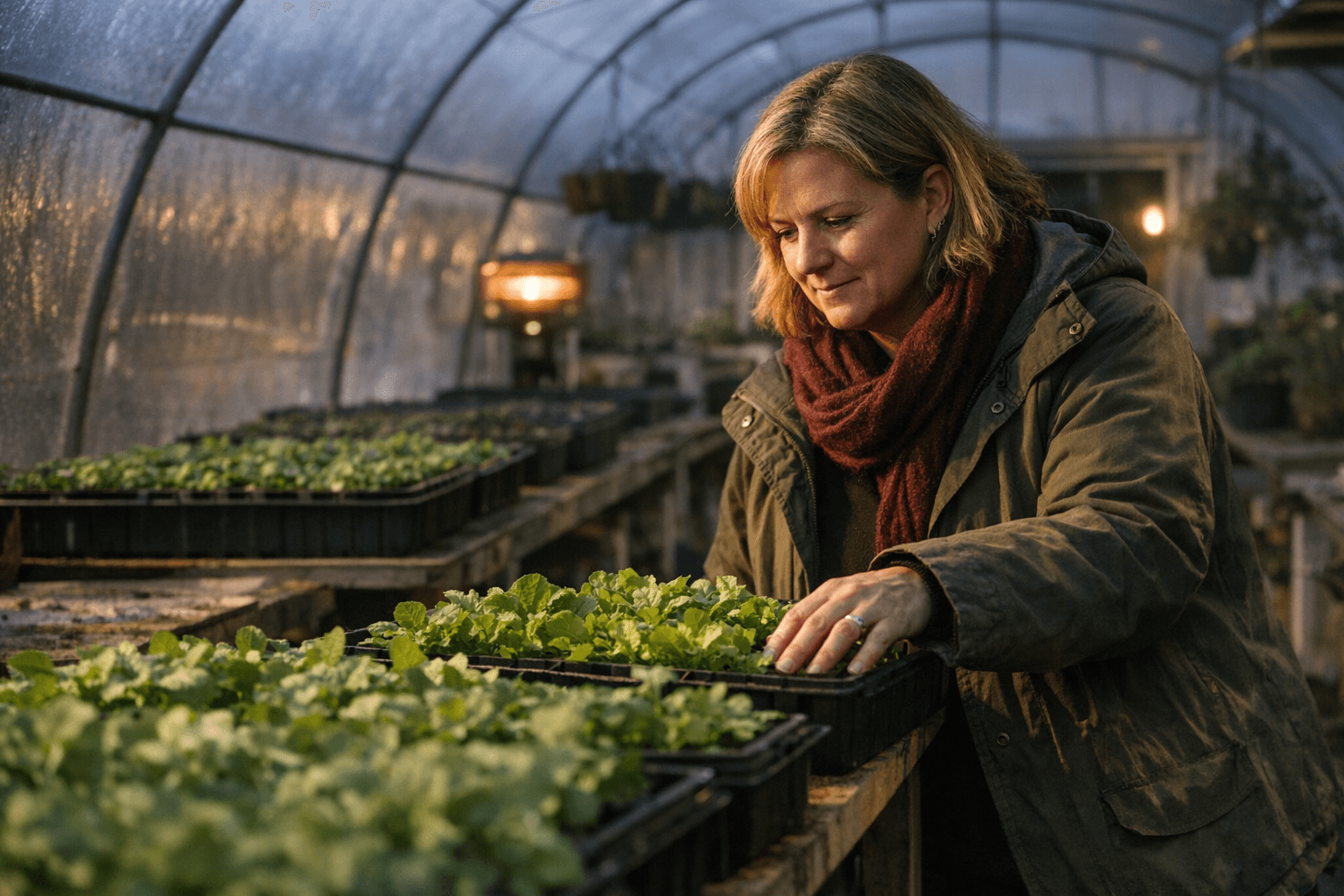
The combination of grant funding and an operational push to restore greenhouse capacity also reflects broader trends in community food systems: increasing investment in decentralized production, emphasis on resilience after weather-related damage, and growing recognition of the role local infrastructure plays in food security. State grants that target nonprofit recovery after storms help nonprofits like the Bemidji Community Food Shelf rebuild assets that have long-term utility, not just immediate relief.
For Beltrami County residents, the changes underway mean more reliable local food access and opportunities to volunteer or donate toward targeted rebuilding projects. The food shelf continues to serve households in need while planning capital work on the high tunnels and winter greenhouse. Residents seeking assistance or wanting to offer time, produce, or financial support are encouraged to contact the Bemidji Community Food Shelf through its office or website for current distribution hours and volunteer opportunities. As Aakre settles into the role, the organization’s focus on local production and resilient infrastructure aims to strengthen the safety net for food-insecure residents throughout 2026.
This article was produced by Prism’s automated news system from verified source data, official records, and press releases, then run through automated quality and moderation checks before publishing. The system is built and supervised by the people who set the standards it runs under. Read our full AI policy.
Did this article answer your question?