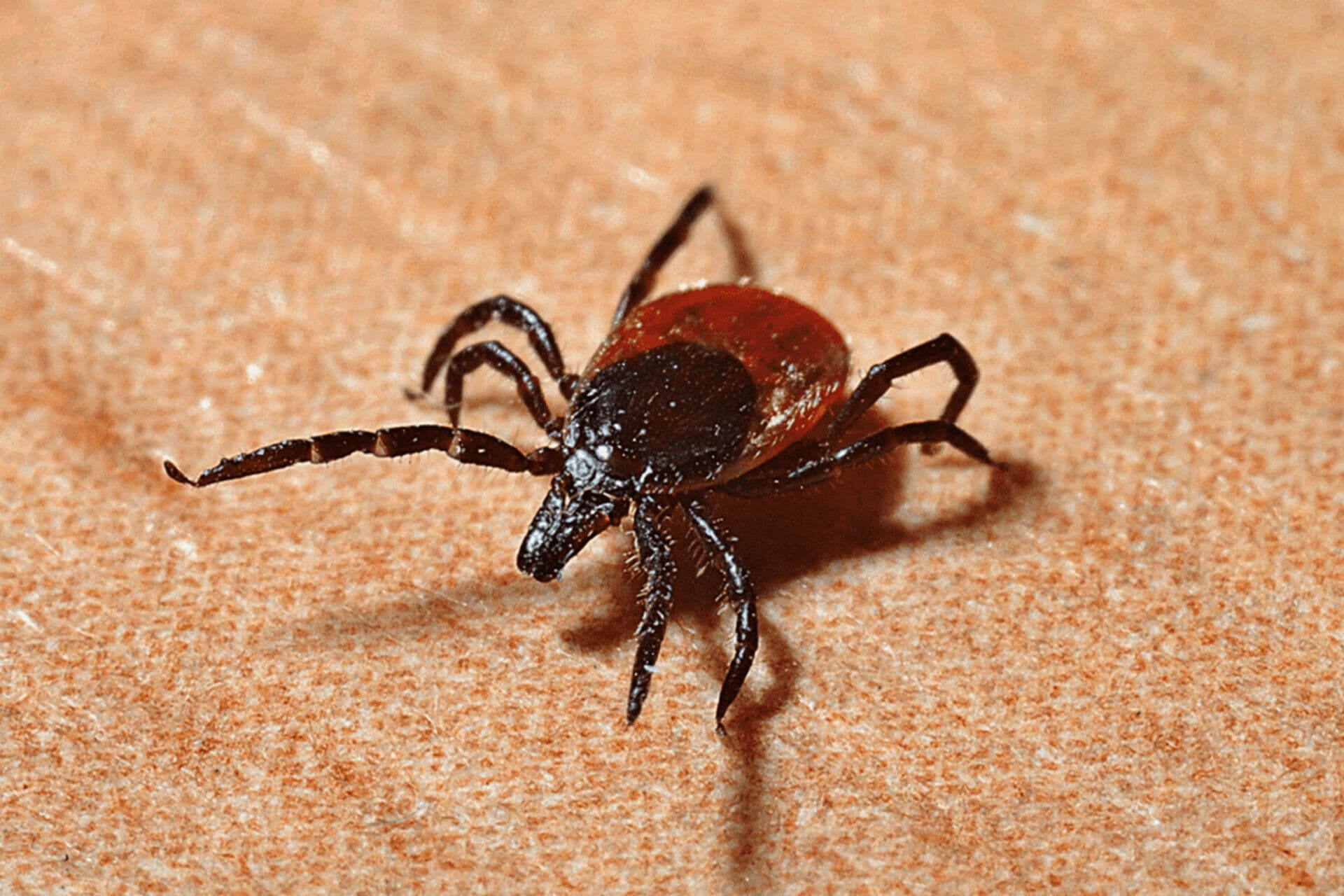
Rare tick-borne virus raises concern in Beltrami County lakes area
A rare tick-borne virus is sharpening caution around Bemidji, where Powassan exposure is most likely in north-central Minnesota’s wooded lake country.

A rare tick-borne virus is putting a sharper edge on spring and summer outings around Bemidji, where campers, anglers and hikers are moving through the same wooded lake country Minnesota health officials flag as the most likely place for Powassan exposure. The Minnesota Department of Health says Powassan virus disease is a tickborne flavivirus that has been reported in Minnesota almost every year since 2008 and often becomes severe.
For Beltrami County residents, the concern is not a vague statewide warning. MDH says most Minnesota cases report likely exposure in north-central Minnesota, and those exposure areas overlap with the east-central and southeast counties where Lyme disease risk is highest. The agency says the virus appears to be widely distributed in wooded areas of the state, including the kinds of places people head to around Bemidji, cabin country and shoreline trails when the weather turns warm.

Powassan remains rare, but the numbers show it has never gone away. MDH says the first Minnesota resident was reported in 2008, cases have been reported almost every year since then except 2014 and 2015, and the state peaked at 11 cases in 2011. In 2022, Minnesota recorded eight cases, and one of those patients died. MDH says all but one of the 2022 cases involved severe central nervous system illness, including meningitis or encephalitis.
The timing also lines up with the way people use the outdoors here. MDH says Powassan illness most often begins in late spring through mid-summer, with additional cases possible in the fall, matching peak blacklegged tick activity. The ticks can become active once temperatures reach about 40 degrees, which means the risk can start earlier than many people expect and can linger after the first cool nights of autumn.
State monitoring shows why the warning matters in the lakes area. Minnesota has about a dozen tick types, and MDH says blacklegged ticks are becoming more common in wooded areas. The Minnesota Public Health Laboratory starts Powassan testing on April 1 each year, and public submissions of suspicious ticks help track where species are spreading. Health care providers in Minnesota must report confirmed or suspected Powassan cases to MDH within one working day, a rule meant to speed recognition of a disease that can escalate fast once symptoms begin.
This article was produced by Prism’s automated news system from verified source data, official records, and press releases, then run through automated quality and moderation checks before publishing. The system is built and supervised by the people who set the standards it runs under. Read our full AI policy.
Did this article answer your question?