Red Lake chair Seki outlines land, public-safety priorities; secretary won't seek reelection
Chair Darrell Seki Sr. in Redby pressed to reclaim parts of Upper Red Lake - roughly 60% already inside tribal boundaries - while Secretary Sam Strong, after eight years, announced he will not seek reelection.
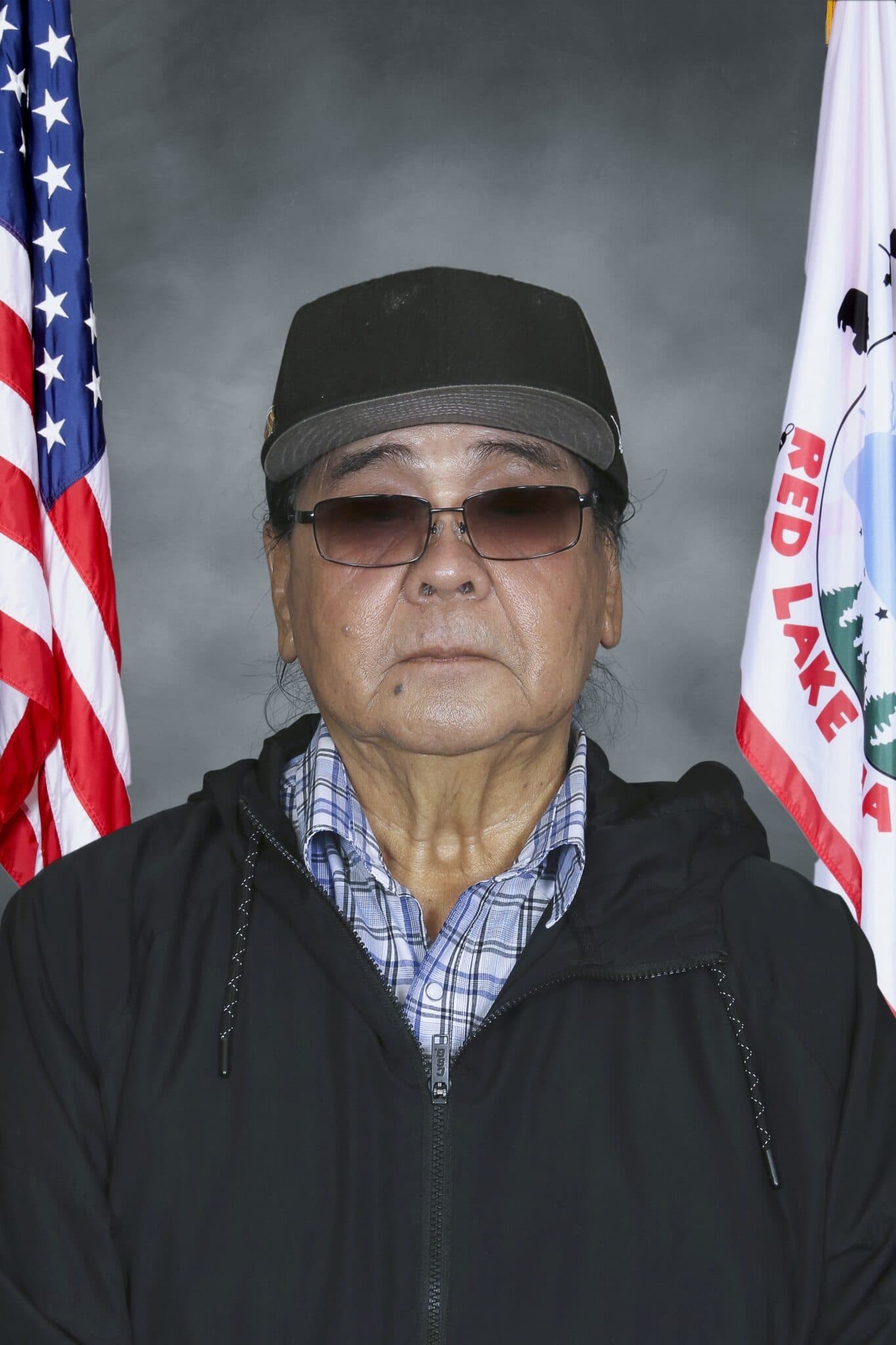
Standing before attendees in Redby at the Red Lake Nation State of the Band address, Chairman Darrell Seki Sr. laid out a push to restore portions of Upper Red Lake and transfer some state forest lands back to the tribe, criticized federal and state agencies and called for increased funding for tribal public safety. Seki referenced the U.S. Constitution during his remarks and framed boundary work as a continuation of recent legislative efforts and legal requests to federal offices.
Tribal leaders have asked the U.S. Department of the Interior Solicitor’s Office and the Office of Tribal Justice to resume work on forming a legal opinion to support reestablishing the intended 1889 boundaries, a move Seki said will accompany renewed legal and legislative activity. Reporting in local outlets estimates roughly 60% of Upper Red Lake already falls within tribal boundaries; Red Lake introduced related legislation in 2024 and 2025 that drew both support and opposition.
Public-safety and jurisdictional concerns formed a central strand of Seki’s address. He described Red Lake as “in the midst of an opioid crisis spurred by non-Indian drug dealers, significant shortfalls in BIA funding, and the fact that we cannot arrest and detain non-Indians.” Seki urged committees to prevent cuts to the Bureau of Indian Affairs and requested more funding for tribal public safety. He also called for reversal of the 1978 Oliphant precedent, saying, “The 1978 Oliphant law has to be overturned. And then the tribes will be able to prosecute and detain non-Indians who are killing our people.”
Immigration enforcement on the reservation drew immediate action and sharper calls. The nation passed a resolution on Jan. 13 to prevent Immigration and Customs Enforcement officers from entering the reservation without a court order; at the State of the Band Sam Strong urged going further, saying, “So I hope we pass a resolution banning ICE to come into our reservation.” Strong’s comments echoed broader leadership criticism that certain federal policies harm community safety.
Seki also criticized a Minnesota Department of Natural Resources agreement with the Fond du Lac Band of Lake Superior Chippewa to remove elk from parts of treaty territory, saying the tribe opposes any harvest of elk from Red Lake treaty lands. That critique joins Seki’s land-restoration priorities as a natural-resources flashpoint between the nation and state agencies.

Secretary Sam Strong, who has served eight years, announced he will not seek reelection and said the decision was personal: “This was a hard decision,” he told the crowd, adding, “Many of you have supported me, and for that, I say miigwetch, we've done many great things, and we will continue to do many great things.” Strong was instrumental in the tribe’s cannabis rollout, including the 2023 opening of NativeCare, the state’s first tribal recreational dispensary; he said he plans to focus on being a father and a grassroots leader after stepping down.
The band highlighted demographic and infrastructure priorities alongside legal and safety demands: membership has risen 59% since 2013 and 27% of members are ages 18 and younger, leaders noted. KAXE reported tribal officials view a recent grant as “critical to helping us overcome a decades-long effort to move a tribal government facility out of a Superfund site,” framing the funding question alongside BIA shortfalls and past testimony by Minnesota tribal leaders in Washington, D.C.
Community response was visible on social media: an MPR News Facebook post about the address drew 387 reactions and 50 comments, including supporters writing “It was their land first” and “Land Back!” and others offering skeptical or sarcastic remarks. As Red Lake presses the Department of the Interior and federal committees for legal opinions and funding, tribal leaders signaled the work on land, public safety and jurisdiction will continue to shape relations with state and federal agencies into 2026.
This article was produced by Prism’s automated news system from verified source data, official records, and press releases, then run through automated quality and moderation checks before publishing. The system is built and supervised by the people who set the standards it runs under. Read our full AI policy.
Did this article answer your question?