Remains found in Minnesota shed identified as missing New York man
DNA and family testing finally named the man found in a Rosemount rail shed as James Raymond Everett, ending an eight-year unidentified-remains case.
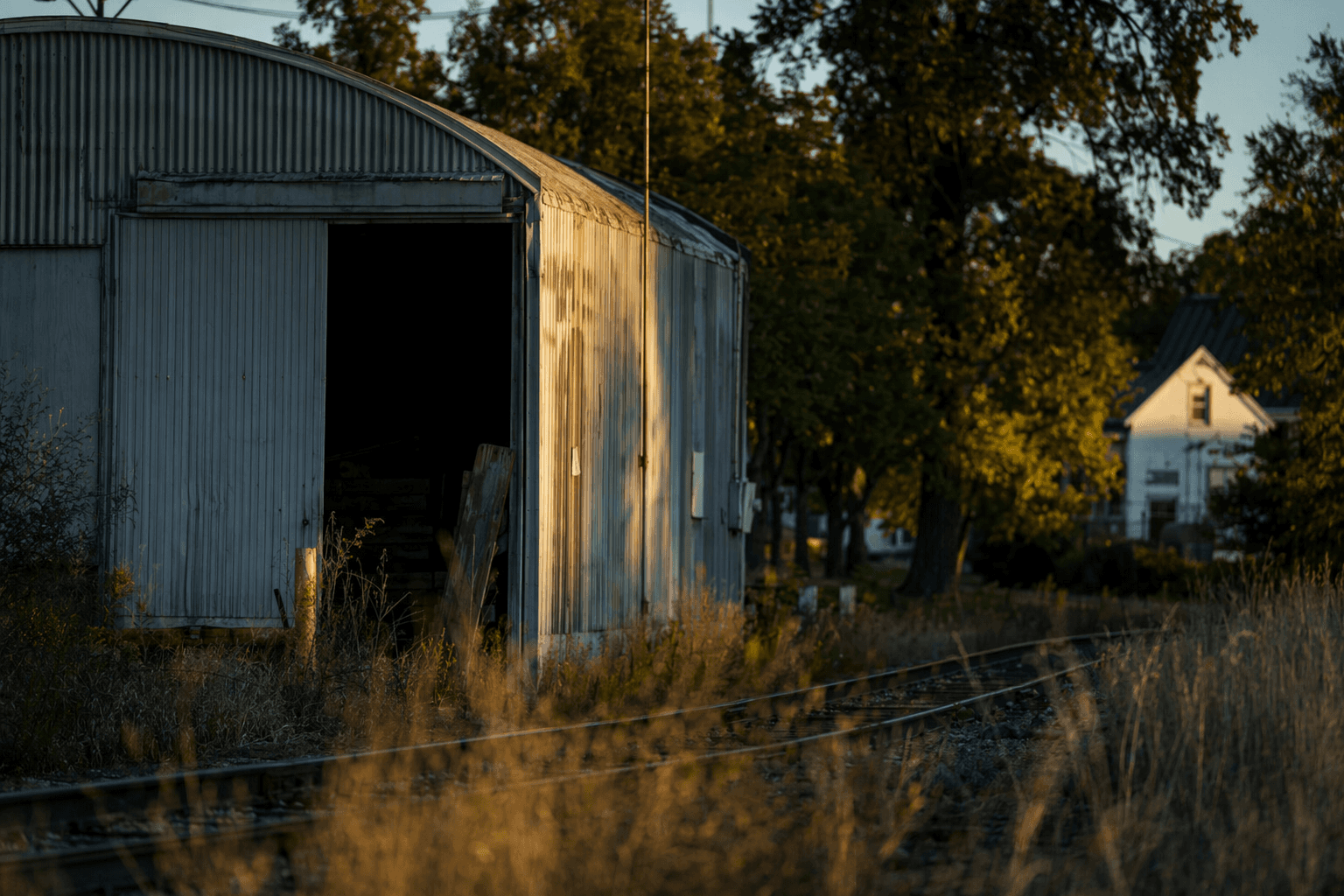
DNA and family testing finally gave a name to the man found inside a Rosemount railroad utility shed almost a decade ago: James Raymond Everett, 48, of Cohocton, New York. The identification closes an eight-year unidentified-remains case that had grown cold after more than 570 leads and years of unanswered questions.
Everett’s remains were discovered on Sept. 29, 2014, by a Union Pacific employee inside an abandoned shed on the 14500 block of Burma Ave. in Rosemount. Investigators found no wallet or ID. Newspapers and receipts inside the shed suggested he may have died in the fall of 2013 and may have been using the shelter temporarily.
By the following year, investigators still had no confirmed identity. The Hennepin County Medical Examiner’s Office, the Rosemount Police Department and the Minnesota Bureau of Criminal Apprehension were left with limited clues, while the FBI produced a facial reconstruction and authorities asked the public for help. The case remained unresolved long enough that the unidentified remains were buried in 2017.
The breakthrough came in 2019, when cold case investigators began working with Parabon Nanolabs and used DNA phenotyping to build a better picture of the man found in the shed. Family DNA samples later confirmed the match in 2022, tying the remains to Everett and ending a mystery that had followed his family since he disappeared in 2013 after leaving for a business trip.
Patricia Everett said the family never stopped searching and welcomed the closure. She also thanked investigators, the media, residents of Rosemount and distant relatives who submitted DNA, all of whom helped move the case from an unidentified body to a named man with a family history and a hometown again attached to him.
The identification matters beyond one family. Unidentified-remains cases test public confidence in police work and strain the systems that handle missing-person reports, forensic exams and burial of the unclaimed dead. Here, new tools changed the outcome. What once depended on a shed’s scattered clues and hundreds of dead-end tips was finally resolved through modern forensic genealogy and family cooperation.
The answer brings Everett’s name back into the record, but it does not explain every detail of how he ended up in that railroad shed. That remaining uncertainty is part of what made the case so difficult, and why the final identification carries such weight for investigators and the family left to wait for it.
This article was produced by Prism’s automated news system from verified source data, official records, and press releases, then run through automated quality and moderation checks before publishing. The system is built and supervised by the people who set the standards it runs under. Read our full AI policy.
Did this article answer your question?