Veteran U.S. Coach Steve "Killer" Miller Marks Record World Juniors Presence
Steve "Killer" Miller reached a milestone Jan. 3, 2026 by completing his ninth World Junior Championship appearance in 10 years, the most of any U.S. coach, as the tournament played out in Minnesota. His journey from a single season of organized youth hockey to decorated NCAA coach and national champion underscores both the opportunities and systemic barriers facing young players and communities in Beltrami County and beyond.
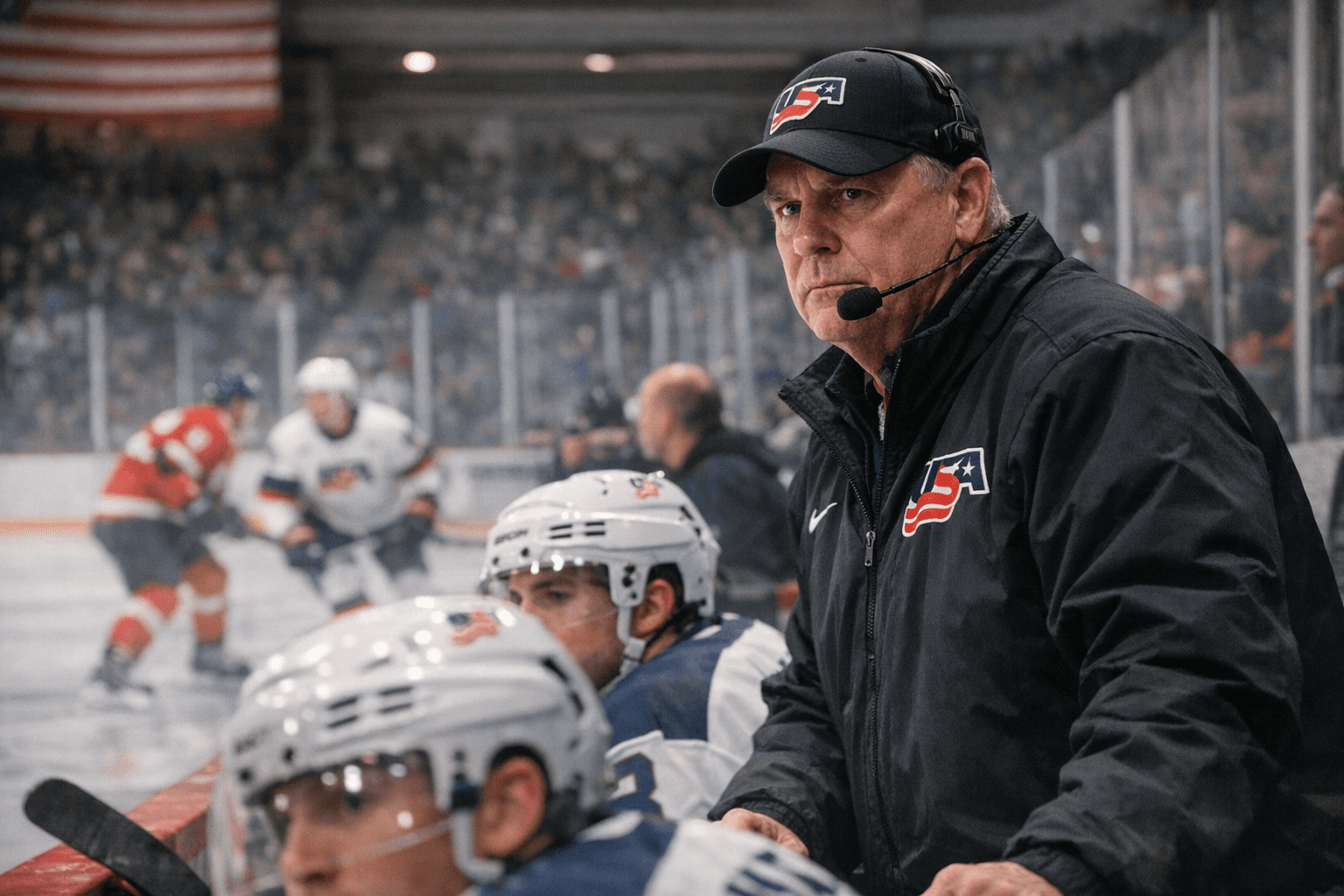
Steve "Killer" Miller’s long arc through American hockey reached a notable peak during the World Junior Championship played in Minnesota, with Miller marking his ninth WJC appearance in 10 years on Jan. 3, 2026. That tally is the most of any U.S. coach in the tournament era, a testament to sustained performance at the sport’s top developmental level and to a coaching career that has spanned multiple NCAA programs and national honors.
Miller’s path was neither linear nor typical. He described starting organized hockey for a single season before progressing into coaching roles that included assistant positions at high-profile collegiate programs and head coaching stops that produced national championships. His career also earned him the Terry Flanagan Award, recognizing long-term contributions to coaching. Those achievements helped shape Team USA’s persistent competitiveness at the World Juniors and brought national attention to the coaching infrastructure behind elite American players.
For residents of Beltrami County, where hockey is a central thread of community life, Miller’s story resonates on multiple levels. Local rinks, high school teams and youth programs see themselves reflected in the tournament’s pageantry and the coaches who develop young athletes. The World Juniors being held in Minnesota magnified that connection, drawing regional viewers and inspiring local players and families who see a pathway from community rink to national stage.
At the same time, Miller’s beginnings highlight persistent equity and public health questions embedded in youth sports. A single season of organized play leading to a storied coaching career shows that late starts can still yield success, but it also contrasts with the reality that many families in rural counties face barriers to sustained participation. Costs for ice time, equipment and travel, and uneven availability of sustained programming in smaller towns, limit access for children who might otherwise benefit from the physical activity, mental health support and social development sports provide.
Coaches like Miller fill critical roles beyond wins and losses. Volunteer and paid coaches are frontline contributors to injury prevention, concussion awareness, conditioning and emotional support for young athletes. Their presence and training affect community health outcomes, especially in places where healthcare and mental health resources are stretched. Policy choices at county and state levels about funding for youth sports facilities, coach education and injury protocol enforcement will influence whether the benefits of participation are broadly shared.
As the World Juniors concluded in Minnesota, Miller’s record serves both as celebration and prompt. It celebrates a rare coaching run and the pride it brings to nearby communities. It also prompts local leaders and residents to consider how Beltrami County can expand access, support coaches and protect athlete health so that more young people can pursue sport without facing prohibitive barriers.
This article was produced by Prism’s automated news system from verified source data, official records, and press releases, then run through automated quality and moderation checks before publishing. The system is built and supervised by the people who set the standards it runs under. Read our full AI policy.
Did this article answer your question?