ABQ BioPark buys land to expand giraffe habitat
The BioPark spent about $225,000 on a half-acre parcel next to its giraffes, opening the door to a $10 million to $12 million expansion by 2030.
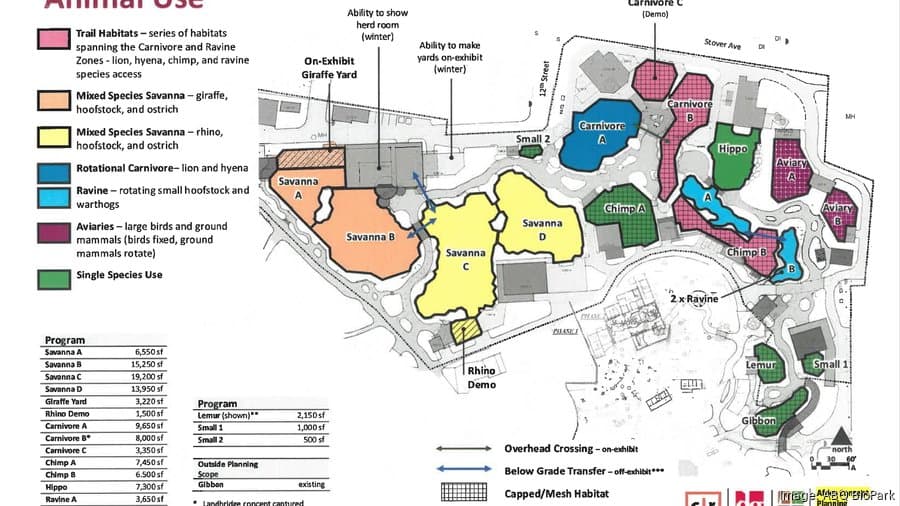
The ABQ BioPark has bought a half-acre parcel next to its giraffe yard, setting up a long-planned expansion that zoo leaders say could support a larger herd and a more natural African habitat. The land, a former home just off 13th Street, cost about $225,000 and gives the city-owned attraction room to plan beyond today’s exhibit.
BioPark director Brandon Gibson said the current giraffe habitat has not seen major development since the 1980s, leaving the zoo with an aging space inside one of Albuquerque’s most visible public institutions. The planned expansion is still in the design phase, but the BioPark estimates it will cost between $10 million and $12 million and hopes to break ground by 2030.
For families visiting the zoo, the change would not be cosmetic. Gibson said the new area could become a mixed-species African hoofstock yard that includes giraffes, zebras, rhinos and smaller African hoofstock species. The goal is not just more room, but a layout that supports herd growth, animal movement and a more natural setting for species that share space in the wild.
The giraffe project is the last phase of a three-part Africa habitat renovation plan. The earlier pieces are a gorilla habitat project estimated at about $22 million and a carnivore habitat project estimated at about $15 million, which would bring lions back to the zoo after the last ones were on exhibit in 2023. Together, the projects signal a major rebuild of the BioPark’s animal areas rather than a series of small upgrades.
That broader effort is tied to the city’s 1/8-cent gross receipts tax for the BioPark, which took effect July 1, 2016 and runs through June 30, 2031. City officials said in April 2024 that the updated BioPark Facility Plan would steer projects through 2031, with decisions based on safety, mission alignment, impact and cost. In practice, that means capital dollars have to justify themselves not only to animal-care advocates but also to Albuquerque taxpayers who help fund the work.
The timing also matters for Bernalillo County residents who use the BioPark as a civic amenity. New Mexico Magazine reported in May 2026 that the 63-acre zoo, which opened in 1927 as the Rio Grande Zoo, has invested more than $78 million in new exhibits, renovations and expanded habitats since the gross receipts tax began. The giraffe purchase suggests the next chapter will reach deeper into the zoo’s footprint, reshaping one of New Mexico’s most visited destinations for the long term.
This article was produced by Prism’s automated news system from verified source data, official records, and press releases, then run through automated quality and moderation checks before publishing. The system is built and supervised by the people who set the standards it runs under. Read our full AI policy.
Know something we missed? Have a correction or additional information?
Submit a Tip

