Albuquerque-area farm shifts to wells and drip irrigation as Rio Grande dries up
A Bernalillo County chile farm has swapped Rio Grande water for 200-foot wells and drip lines, cutting water use by 40% to 60% as the river runs dry.
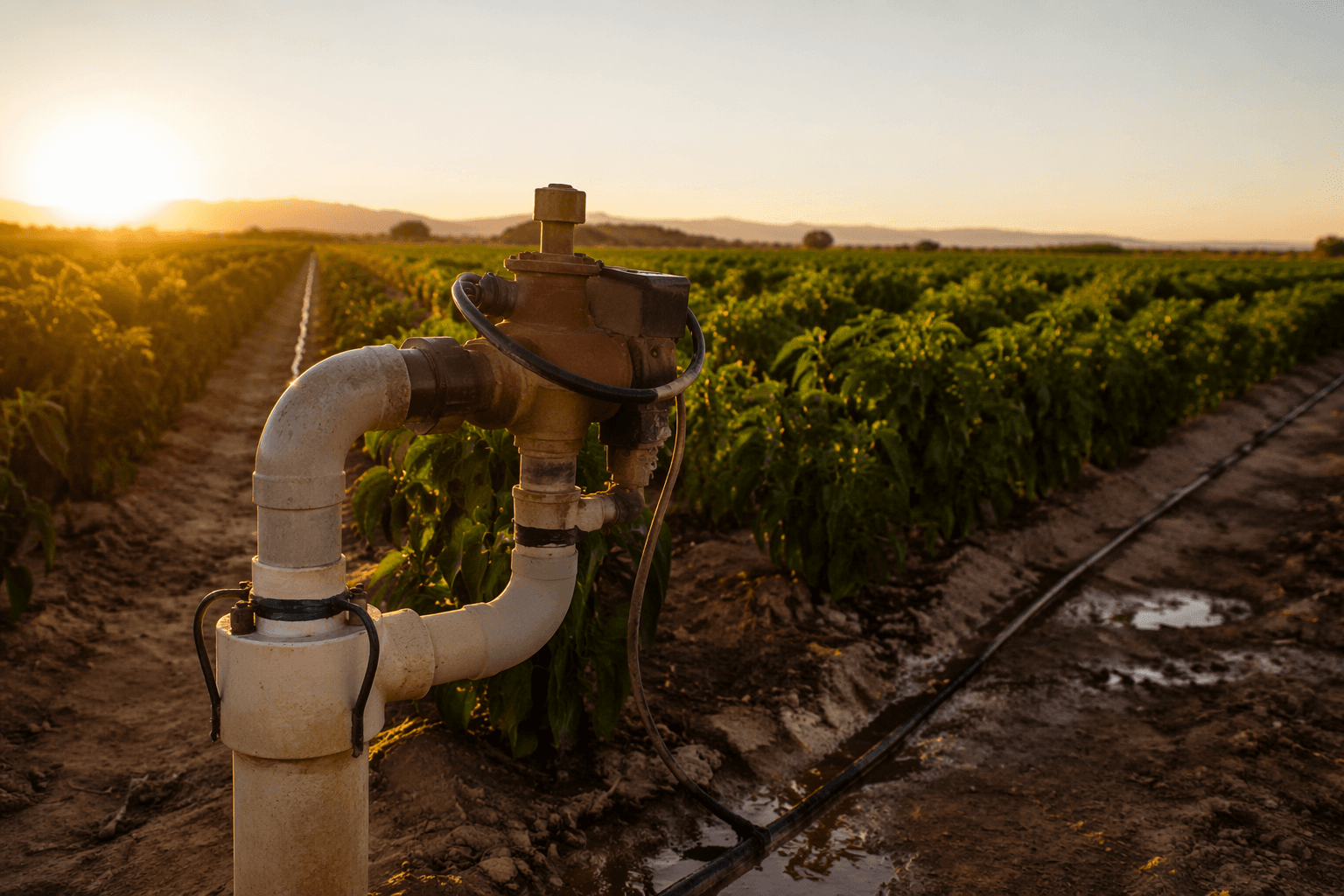
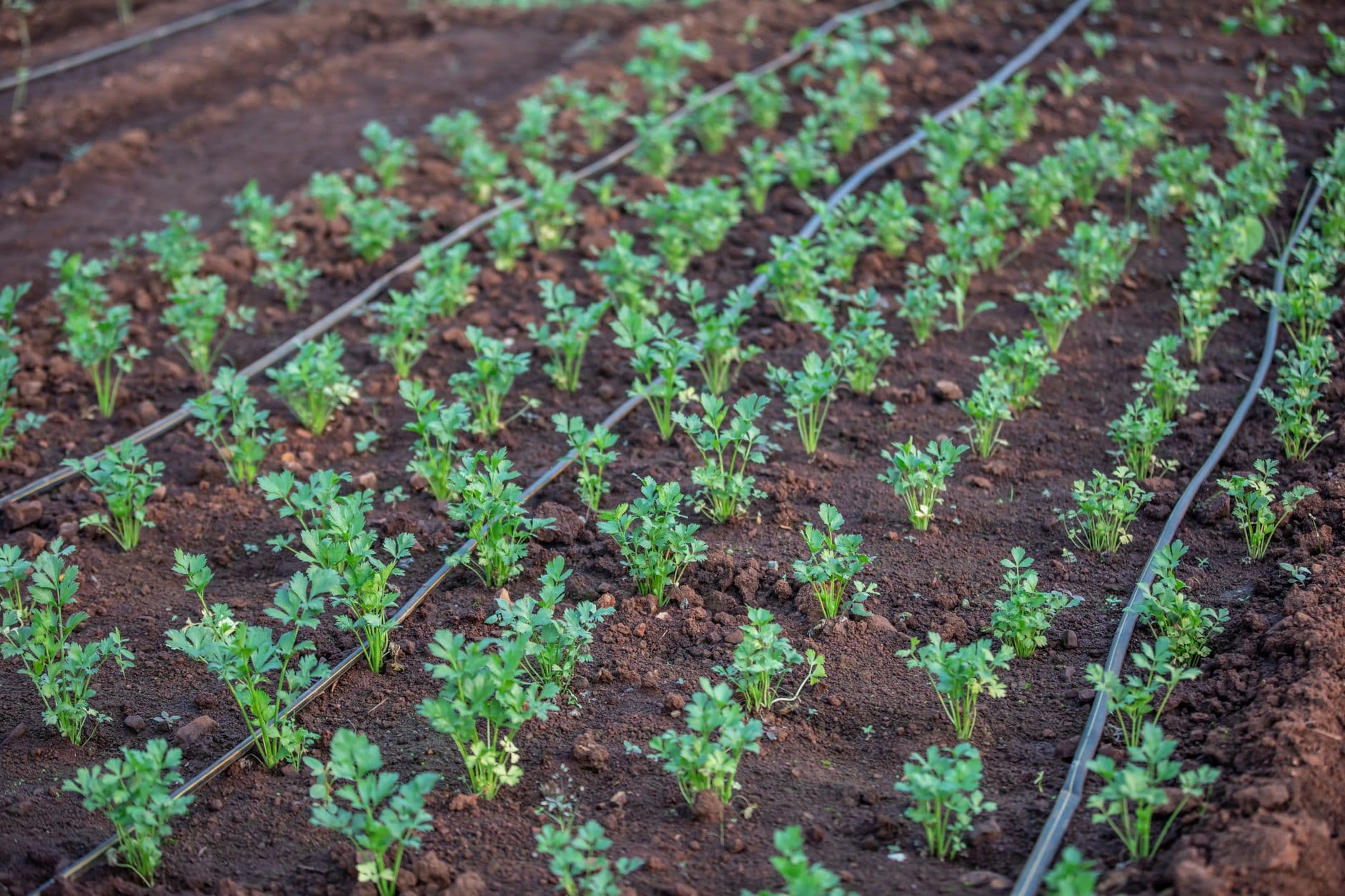
At Mago’s Farm, the Rio Grande is no longer the irrigation plan it once was. Third-generation chile farmer Mago Chairez said the farm has moved away from relying on river water and now depends on wells and drip irrigation, a shift that reflects how quickly water scarcity is reshaping agriculture across Bernalillo County and the Middle Rio Grande Valley.
The change is not cosmetic. Chairez said the farm’s wells reach about 200 feet down, and the new infrastructure has already cut water use by roughly 40% to 60%. That kind of savings matters as warmer, drier temperatures and a lack of snowpack push the Rio Grande to dry earlier each year, leaving some stretches without water for months at a time. For a chile grower, the payoff is less waste and more control over when and how crops are irrigated.
Chairez said there is still one upside to the changing season: chile may ripen sooner, and roasting could begin as early as July. But the broader picture remains urgent. The State of New Mexico’s drought portal says drought can significantly affect water supplies, agriculture, ecosystems and communities, and it tracks conditions using precipitation, streamflow, snowpack and seasonal outlooks. In Albuquerque, water managers said the city stopped drawing surface water from the Rio Grande on April 24, 2026 and processed its last surface water three days later, then relied entirely on groundwater reserves after one of the lowest snowpacks on record and the earliest snowmelt on record pointed to another dry summer.
The Middle Rio Grande Conservancy District has warned irrigators to expect reduced deliveries and longer waits between irrigation windows, making timing as important as volume. Albuquerque’s farmer-resources page now points growers to Bernalillo County Extension, the U.S. Department of Agriculture Farm Service Agency and the district’s environmental water leasing program, including rebates for field fallowing. That mix of technical help and financial support suggests the transition is no longer optional for farms that depend on the river.
A University of New Mexico study led by Tosin Olofinsao with Jingjing Wang and Robert Berrens helps explain why the stakes are so high. Using satellite evapotranspiration data, crop maps, groundwater well records, agricultural census data and GIS analysis, the team mapped irrigated agriculture during the severe 2021 drought year and found that small farms collectively use more agricultural water than large commercial farms in the basin. The study also found that alfalfa and other hay crops take up nearly three-quarters of irrigated acreage and consume 74% of total evapotranspiration.
The region’s water system has long required heavy investment. The Bureau of Reclamation says Congress authorized a study and infrastructure funding for the 18 Rio Grande pueblos under the Omnibus Public Land Management Act of 2009, and that the identified irrigation needs came to nearly $280 million in 2017 prices. For Bernalillo County growers, the lesson is plain: the river is becoming less reliable, and survival now depends on wells, drip systems, fallowing tools and outside support as much as on tradition.
This article was produced by Prism’s automated news system from verified source data, official records, and press releases, then run through automated quality and moderation checks before publishing. The system is built and supervised by the people who set the standards it runs under. Read our full AI policy.
Did this article answer your question?