Albuquerque baby expo offers car seats, CPR help and health resources
Car seats, CPR training and nearly 30 local partners drew families to the Alamosa Community Center, where a free expo aimed to fill prenatal and newborn gaps.
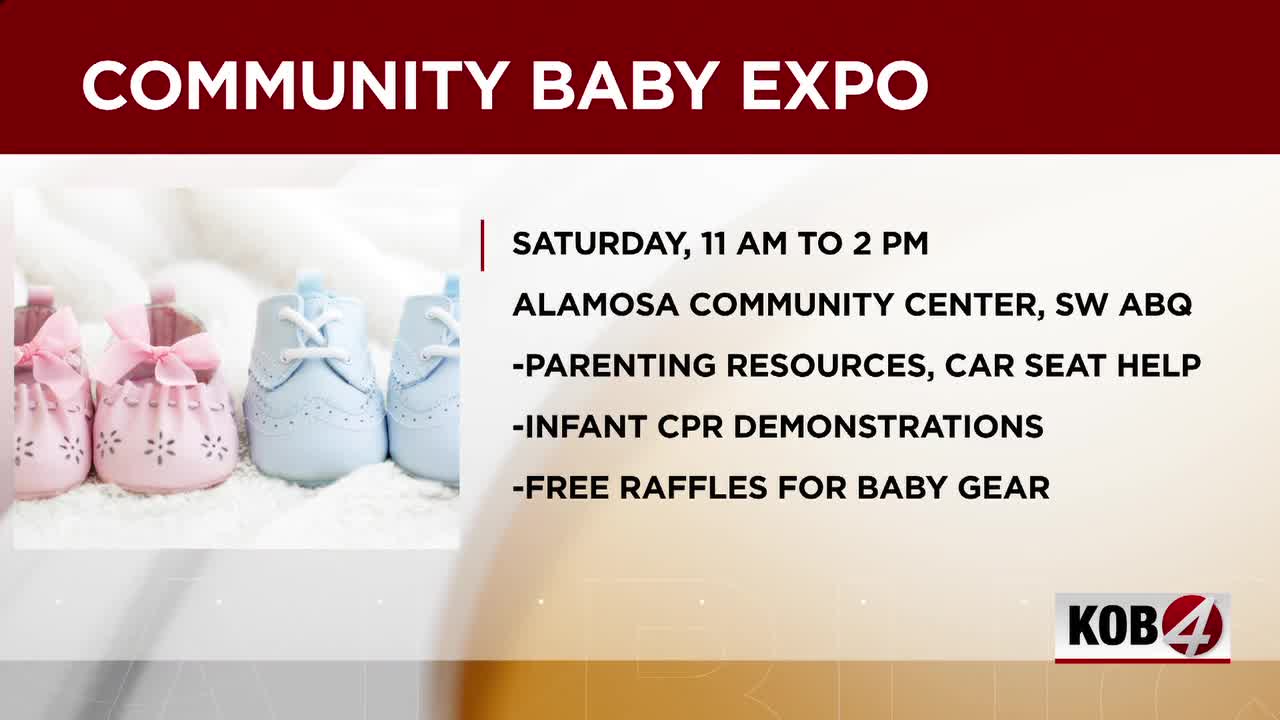
Car seats, CPR instruction and newborn supplies drew families to the Alamosa Community Center in southwest Albuquerque on Saturday as the Community Baby Expo brought nearly 30 community partners under one roof.
Presbyterian Health Plan, Blue Cross and Blue Shield of New Mexico, Molina Healthcare and UnitedHealthcare hosted the public event from 11 a.m. to 2 p.m. The expo was open to people thinking about becoming pregnant, currently pregnant or parenting a baby.
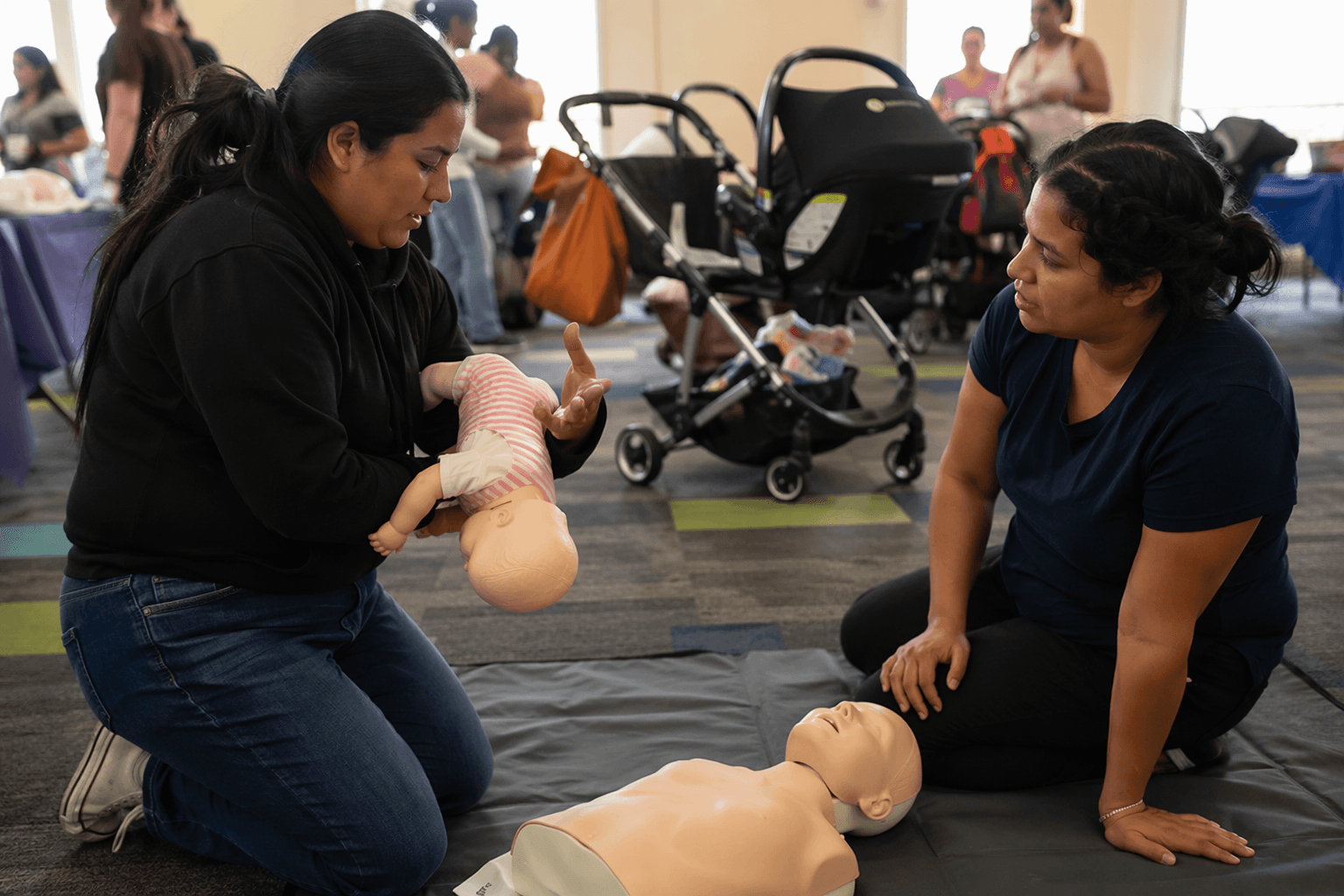
The event bundled several needs that often come at the same time for new parents: car seat help, CPR education, vaccinations, pregnancy resources and maternal-child health support. Organizers also built in raffle prizes that included car seats, portable cribs, diapers, baby monitors, Pack ’n Plays and play mats, items that can be expensive for households already juggling medical visits and baby care.
The Bernalillo County Home Visiting Work Group's coalition began in 2010 and now includes more than 57 organizations working to improve the quality of life for families who are pregnant or have young children. Its mission is to coordinate voluntary prenatal-to-age-5 home visiting services in the Albuquerque area.
Families often have to navigate transportation, insurance questions and early-childhood services at the same time. The New Mexico Department of Health’s Maternal Health Program works with state agencies and community partners to improve access to care and equitable maternal health outcomes, and the state’s Title V Maternal and Child Health Program brings in about $4.5 million a year to fund programs for women, children and families.
March of Dimes data put New Mexico at 92 infant deaths in 2023, a rate of 4.4 per 1,000 live births. In 2024, 10.0% of births were preterm and 9.2% were low birthweight, while 67.0% of infants were born to women receiving adequate or adequate-plus prenatal care.
This article was produced by Prism’s automated news system from verified source data, official records, and press releases, then run through automated quality and moderation checks before publishing. The system is built and supervised by the people who set the standards it runs under. Read our full AI policy.
Did this article answer your question?


