Albuquerque fully activates fire-detection system across the Bosque
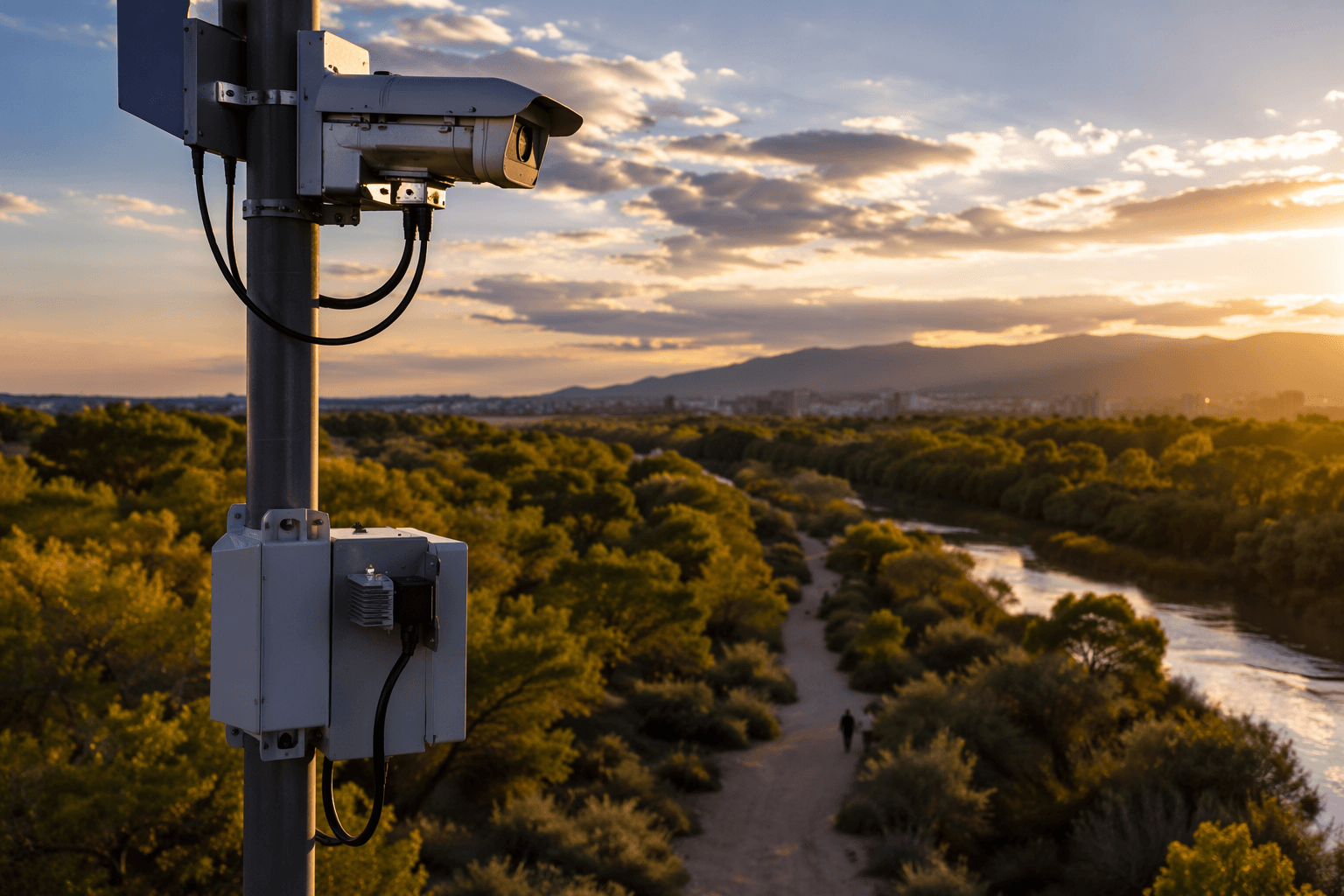
Albuquerque fully activated Torch Fire Detection across the Bosque, aiming to spot smoke and flames before a small ignition forces trail closures or evacuations.

Albuquerque has fully activated Torch Fire Detection across the Bosque, a smoke-and-heat network that can spot flames faster than a human patrol. Parks and Recreation Director Dave Simon called the system an outdoor fire alarm, saying saved minutes can matter when fire starts in dry vegetation along the Rio Grande corridor.
The rollout follows a year of testing during peak fire season and a June 24, 2025 city warning after a string of Bosque fires officials believed were human-caused, including at least one arson case. During that earlier period, sensors detected a fire near Tingley from more than a half-mile away while helicopters, drones and airboats helped monitor the open space.
The Bosque stretches about 20 miles through Albuquerque and covers roughly 4,300 acres of protected cottonwood gallery forest managed by the city Open Space Division through a joint powers agreement with the Middle Rio Grande Conservancy District. The corridor is a source of water, carbon sequestration, habitat, cultural connections and recreation, and City materials say it supports more than 500 animal species.
Public safety officials have increased coverage around it for months. By April, Albuquerque Police Department and Albuquerque Fire Rescue had increased Bosque patrols by boat, ATV, bicycle and foot, raised coverage to 20 hours a day and said the schedule would continue until at least August because of dry conditions and a weak monsoon the year before. The city’s aim is to detect a fire early enough to trigger warnings, trail closures and a faster response before embers spread.
On March 30, the city announced jetty jack removal and hazardous-fuels reduction, with treatment planned for up to 126 acres on the east side of the Rio Grande from Campbell Road to Montaño. Crews began the first phase that week, with more work planned for fall 2026 and spring 2027 after migratory-bird nesting season.
The jetty jacks date to the 1950s, when the U.S. Army Corps of Engineers and the Bureau of Reclamation began installing them. By 1962, about 115,000 had been placed, and many still block firefighter movement. The city secured nearly $1 million in FEMA funding in 2024 for Bosque wildfire-risk reduction, and nearly 200 acres had already been treated in the first phase.
The city’s wildfire-safety page cites 1,278 New Mexico wildfires in 2009 that burned 421,481 acres, and Albuquerque Fire Rescue says it has more than 700 firefighters with wildland-fire qualifications.
This article was produced by Prism’s automated news system from verified source data, official records, and press releases, then run through automated quality and moderation checks before publishing. The system is built and supervised by the people who set the standards it runs under. Read our full AI policy.
Did this article answer your question?