Albuquerque gas prices fall again ahead of July Fourth travel
Albuquerque gas eased to $3.83 a gallon as July Fourth travel neared, trimming about $1.35 from a 15-gallon fill-up versus the statewide average.

Gas prices in the Albuquerque metro fell to $3.83 a gallon on Thursday, giving Bernalillo County drivers a little relief just as AAA projected a record 72.2 million Americans will travel at least 50 miles for the July Fourth holiday period. New Mexico’s statewide regular average stood at $3.92, down 9 cents from a week earlier, and AAA said lower crude oil prices were helping push fuel costs lower.
The savings are real, but modest. A driver buying 15 gallons at the Albuquerque metro average would spend about $57.45, compared with about $58.80 at the statewide average of $3.92, a difference of roughly $1.35 per fill-up. On a 20-gallon tank, the gap is about $1.80. That is enough to be noticed at the pump, but not enough to dramatically change delivery costs or household budgets for most families heading into a busy summer travel stretch.
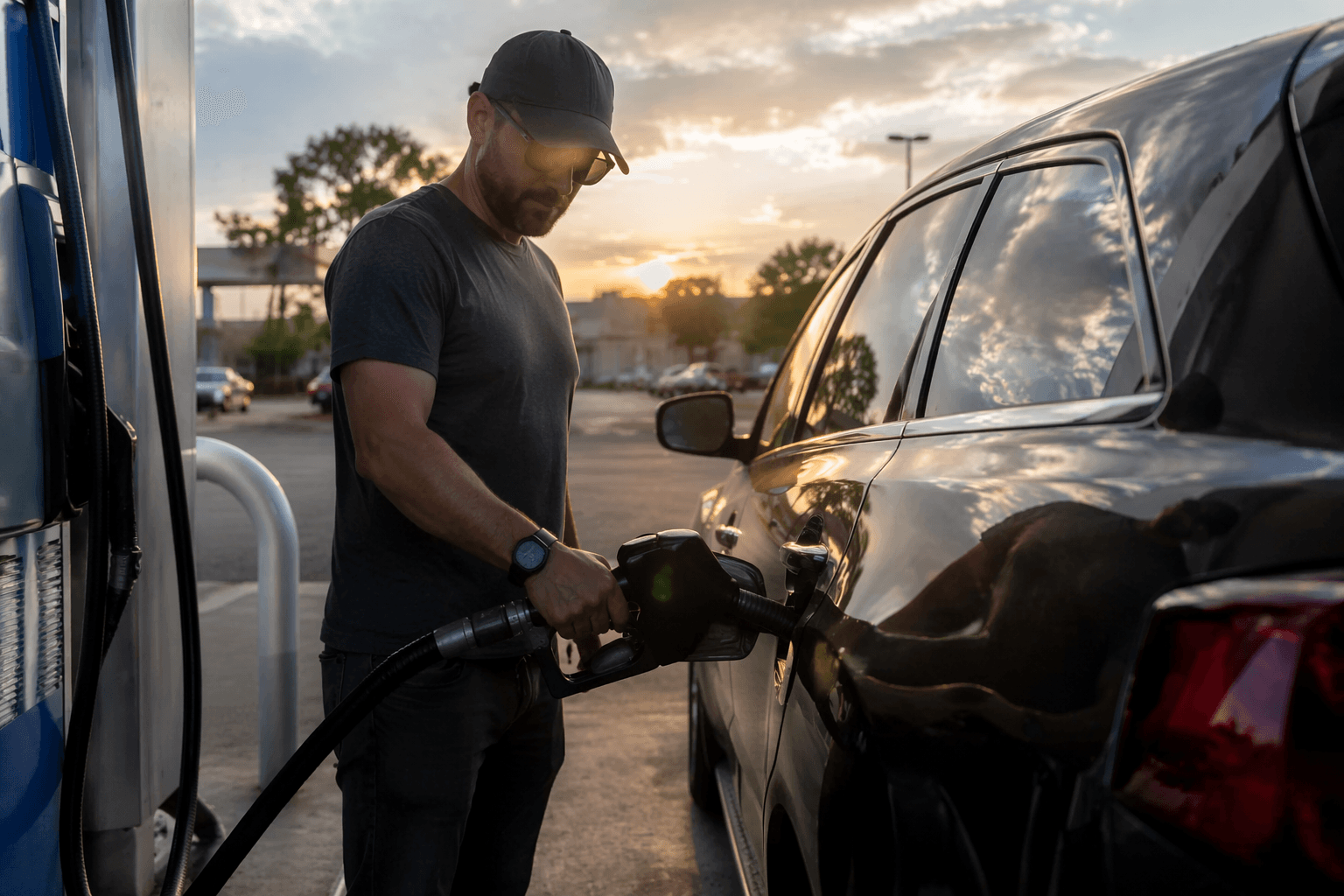
AAA’s holiday forecast runs from Saturday, June 27, through Sunday, July 5, and it expects 61.4 million Americans to travel by car. The organization said 85% of Independence Day travelers are expected to drive. Nationally, the average gas price was $3.928 on June 24 and $3.918 on June 25, keeping the U.S. average just below New Mexico’s level.
Prices remain uneven across the state. KKOB reported Farmington at $4.38 a gallon and Las Cruces at $3.73, a spread that underscores how much local supply and regional demand still matter even when the statewide direction is down. In Albuquerque, the current $3.83 average is below the $3.88 level AAA-based metro data showed on June 15, when prices had already dropped 12 cents from the prior week.

That June 15 reading also showed how much higher fuel still is than a year ago. Albuquerque prices were up $1.01 from the same period last year in the Stacker dataset, and the city’s historical high in that data was $4.86 on June 10, 2022. The latest decline offers some breathing room before holiday traffic builds, but it leaves local drivers paying more than they did last summer and still watching every trip to the pump.
This article was produced by Prism’s automated news system from verified source data, official records, and press releases, then run through automated quality and moderation checks before publishing. The system is built and supervised by the people who set the standards it runs under. Read our full AI policy.
Did this article answer your question?