Bernalillo County girl celebrates recovery with bold new hair color
Aubree Chavez turned a salon visit into a recovery milestone, showing off blue, purple and pink hair after surviving a brain tumor diagnosis.
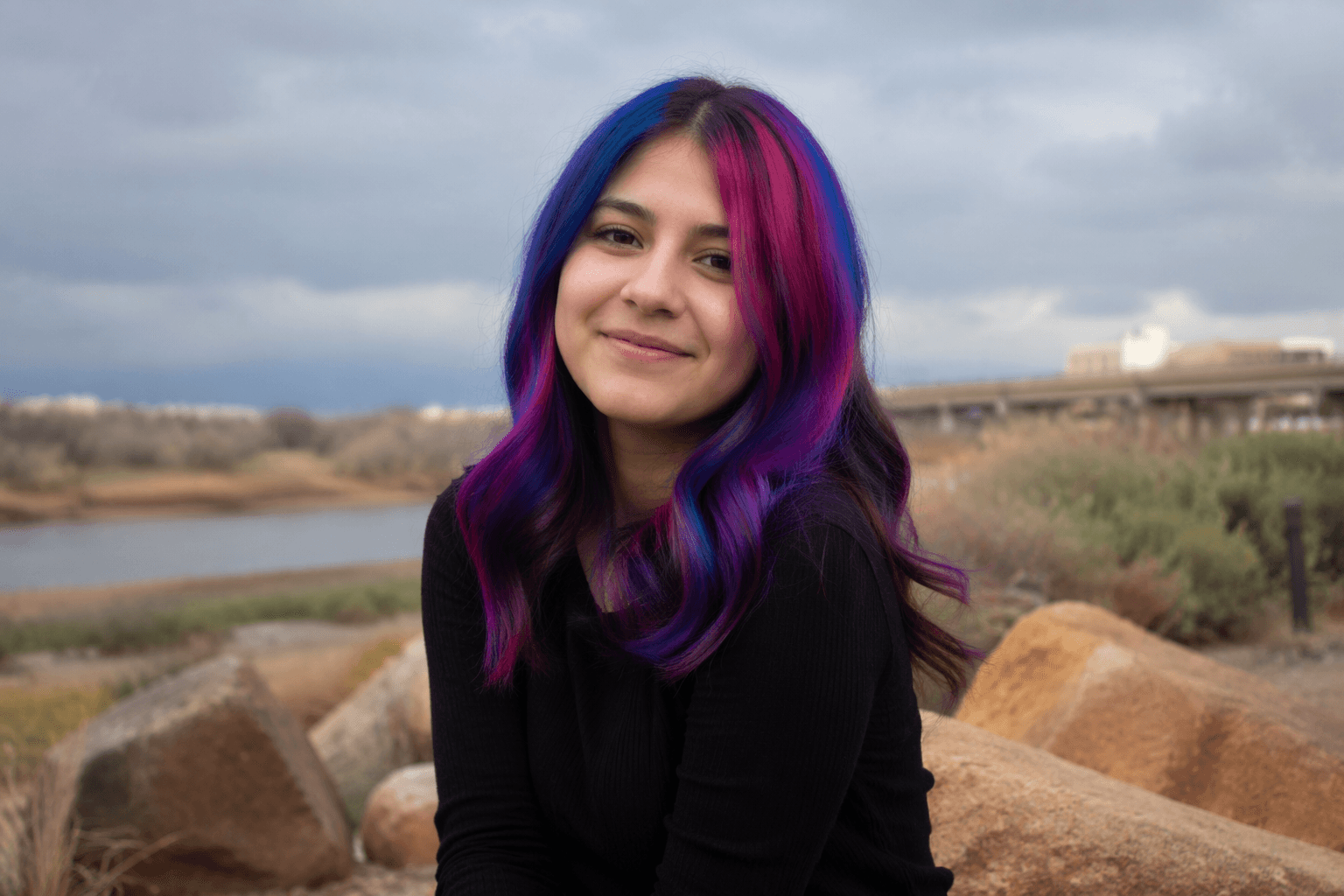
Aubree Chavez sat in a salon chair in Albuquerque with her mother, Bernadette Moya, and hairdresser Karissa Gibson, wearing bright blue, purple and pink hair with the kind of confidence that made the room feel like a celebration. The 11-year-old, who has already lived through a brain tumor diagnosis, used the appointment to show she was not hiding from attention but leaning into it.
The visit carried the weight of more than a new look. For Aubree, a trip to the salon became a marker of recovery, a chance to claim a style that reflected who she is after months of medical upheaval. In a family story shaped by illness, the ordinary act of choosing hair color took on the meaning of a win, one that most children never have to notice.
That emotional charge fits the realities many families face during pediatric cancer treatment. Slow-growing optic pathway gliomas, which arise along the optic nerve and visual pathway, are most often diagnosed in early childhood, with more than 75% appearing in the first 10 years of life. Pediatric sources say they account for about 5% of childhood brain tumors, and blindness occurs in only about 5% of cases, but the diagnosis can still affect vision, hormones and the wider rhythm of family life. Support groups for children with brain tumors also stress that survivorship reaches beyond the patient, touching parents, siblings and caregivers who live with treatment schedules, uncertainty and the long work of getting back to everyday routines.
In New Mexico, that support network stretches through Albuquerque and across Bernalillo County. The University of New Mexico’s Pediatric Cancer and Blood Disorder Team serves children, adolescents and young adults up to age 25 throughout the state, and the UNM Cancer Center says it offers patient and family support services at little or no cost. The Albuquerque Cancer Coalition, formed in 1998, says it works to inform, educate and advocate for New Mexico cancer patients and families, many of whom travel to Albuquerque for treatment.
For Aubree and families like hers, a salon chair can be more than a beauty stop. It can be one of the first places where recovery looks visible, personal and proudly bold.
This article was produced by Prism’s automated news system from verified source data, official records, and press releases, then run through automated quality and moderation checks before publishing. The system is built and supervised by the people who set the standards it runs under. Read our full AI policy.
Did this article answer your question?