Bill advances to return former Albuquerque Indian School land to Pueblos
A federal bill would return 9.89 acres from the former Albuquerque Indian School to the 19 Pueblos, near a burial site tied to decades of boarding-school harm.
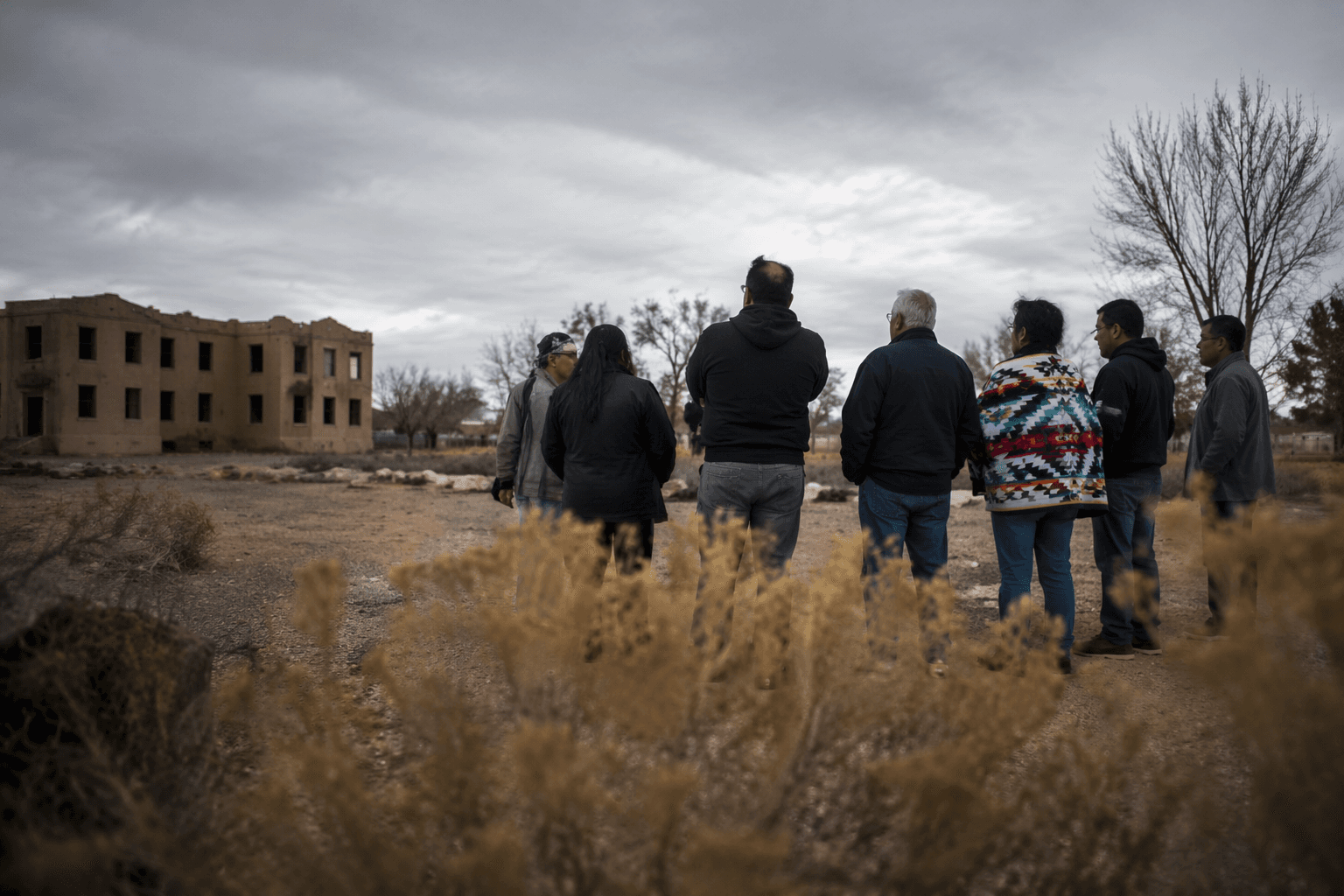
A long-disputed slice of the former Albuquerque Indian School campus moved closer to return to Pueblo stewardship as federal lawmakers advanced a bill that would place 9.89 acres into trust for New Mexico’s 19 Pueblos. For Bernalillo County, the proposal reaches beyond a land transfer and into a confrontation with one of the most painful chapters in Native New Mexico history.
The campus was first established in 1881 by the Presbyterian Board of Home Missions and moved in 1884 to a 66-acre site in what is now Albuquerque’s Near North Valley. Over time, the school became part of the wider federal boarding school system that separated Native children from their families and forced assimilation, labor and abuse on generations of students. Historical accounts describe it as one of the oldest and largest off-reservation boarding schools in the United States, and one account says enrollment topped 1,400 students in the 1930s.
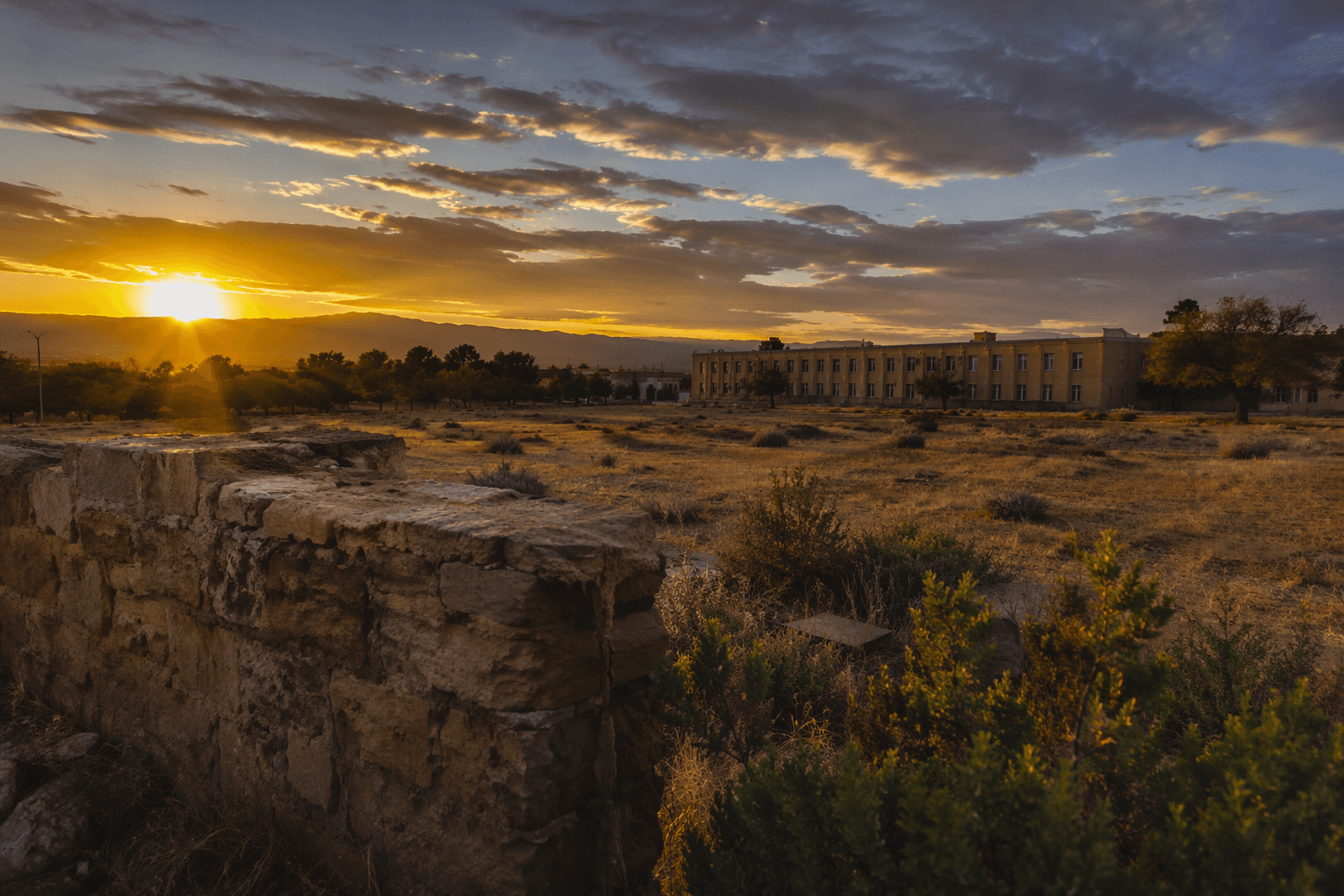
The land return has added weight because the city says the east corner of 4H Park is a known burial site for some Albuquerque Indian School students and staff who were there from 1882 to 1933. Community memory around that ground sharpened after a plaque marking the cemetery disappeared and memorial efforts took shape in 2021. City plans for the burial area include fencing, Native art, signage, a pedestrian plaza, an art walk and an outdoor classroom.
The bill, H.R. 6162, was introduced in the House on Nov. 19, 2025 by Rep. Melanie Stansbury. The House Natural Resources Committee reported it with an amendment on May 20, 2026, and the Senate Committee on Indian Affairs held a hearing on June 3, 2026. The legislation names Acoma, Cochiti, Isleta, Jemez, Laguna, Nambe, Ohkay Owingeh, Picuris, Pojoaque, San Felipe, San Ildefonso, Sandia, Santa Ana, Santa Clara, Santo Domingo, Taos, Tesuque, Zia and Zuni as the beneficiaries. It also says the transfer would occur no later than 90 days after enactment and only after all federal tenants are relocated, relying on a May 2023 survey plat titled Plat of Tracts 1 Thru 3 Lands of US Indian Service and Bureau of Indian Affairs.
The Indian Pueblo Cultural Center says the land could support an entrepreneur complex with light industry and manufacturing spaces, expanding on its Indian Pueblo Entrepreneur Complex, which is designed as a hub for Native and local entrepreneurs with an initial focus on food and agriculture businesses. That means residents could eventually see more Native-led business activity, jobs and development tied to the former campus rather than the federal footprint that remains there now.
Martin Heinrich, Ben Ray Luján and Melanie Stansbury have framed the measure as both a moral correction and an economic step forward. For Albuquerque, the bill ties downtown-area land use, Native cultural institutions and public accountability to a single question: whether a place marked by loss can finally be turned toward Pueblo control and community use.
This article was produced by Prism’s automated news system from verified source data, official records, and press releases, then run through automated quality and moderation checks before publishing. The system is built and supervised by the people who set the standards it runs under. Read our full AI policy.
Know something we missed? Have a correction or additional information?
Submit a Tip