Coronado Historic Site preserves centuries of Pueblo history in Bernalillo County
Kuaua Pueblo’s preserved footprint lets Bernalillo County residents read Pueblo life, Spanish contact, and Rio Grande history in one stop along 485 Kuaua Road.
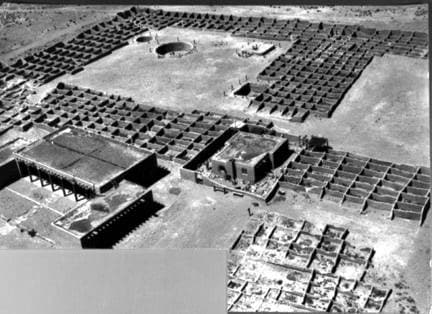
Coronado Historic Site is one of the few places in Bernalillo County where the county’s deep past is visible in the landscape itself. At 485 Kuaua Road in Bernalillo, right along the Rio Grande, the site preserves the footprint of Kuaua Pueblo, a Tiwa community built around 1300 CE and rooted in a river corridor people have occupied for more than 2,000 years.
For a local family, a teacher planning a field trip, or a longtime resident who drives this stretch of river country every week, the visit changes the scale of what is familiar. The banks of the Rio Grande are not just scenery here. They are the setting for settlement, farming, trade, ceremony, and the later collision of Indigenous and Spanish histories that shaped central New Mexico.
Why Kuaua belongs in the county story
The site’s meaning starts long before the Coronado expedition entered the region in 1540. Archaeology Southwest identifies Kuaua as the northernmost of 12 Tiwa villages in the Rio Grande valley and says about 1,200 people were living there when Francisco Vásquez de Coronado and his troops arrived. That number matters because it pushes back against any simplified version of the past that treats the area as empty land waiting for outside explorers.
Kuaua itself means “evergreen” in Tiwa, and the name carries through the place’s identity today. The National Park Service notes the pronunciation as “Kwah-wah,” while the modern site interprets the pueblo as part of a much bigger pattern of Tiwa life along the river. The result is a place that helps readers see Bernalillo County not as a backdrop to history, but as one of the places where history was made and lived.
What to look for when you walk the site
The strongest reason to spend time at Coronado Historic Site is not just that it is old. It is that the site still gives visitors specific things to read on the ground and in the exhibits. The official site says the history reaches back more than two millennia, and the preserved footprint of Kuaua Pueblo makes that long timeline easier to grasp than any timeline panel alone.
Look for the 14 original murals on display, along with artifacts and interpretive information that connect the pueblo to its ceremonial and domestic life. Those murals are not decorative extras. They are evidence of a sophisticated visual and religious world that archaeologists have used to understand how Kuaua residents saw community, cosmology, and place.
The murals became nationally important in February 1935, when archaeologists excavating a square kiva uncovered intact mural paintings layered over three kiva walls. That discovery gave the site a rare window into Pueblo artistic and religious expression from centuries before statehood, highways, or modern Bernalillo existed.
A University of Chicago Library finding aid for the Kuaua Kiva Drawings Collection, dated 1934-1963, shows how long scholars have continued studying the murals and their documentation. The archive underscores that the site is not frozen in one moment of discovery. It remains part of ongoing scholarship about Pueblo history, preservation, and interpretation.
How the Coronado encounter is told here
Coronado Historic Site is one of the clearest places in the county to understand Spanish contact without losing sight of Pueblo sovereignty and continuity. In 1540, Francisco Vásquez de Coronado’s expedition entered the region, and the site interprets that encounter in the actual Pueblo setting where Indigenous life was already established.
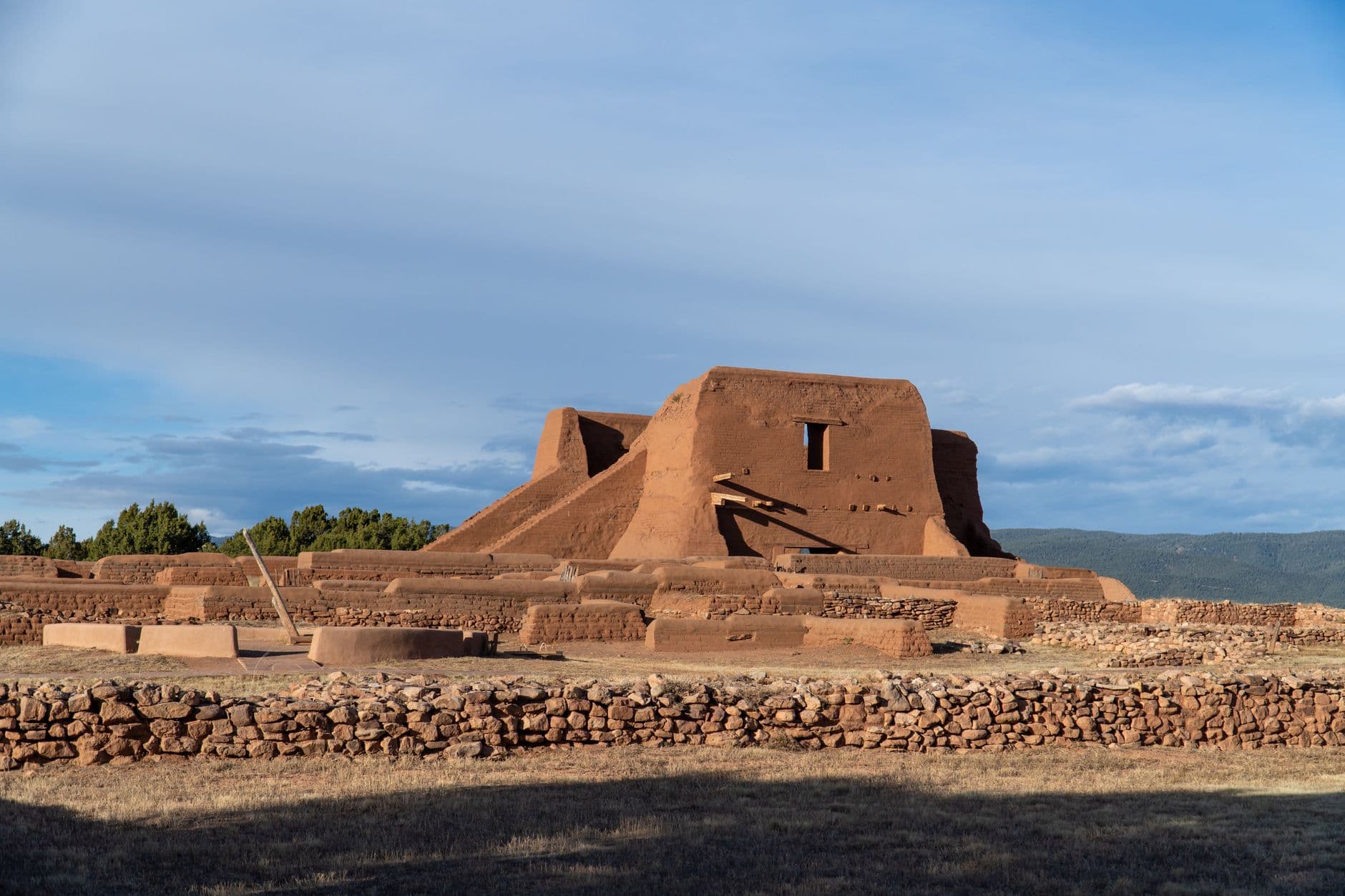
New Mexico Historic Sites describes Coronado Historic Site as “a complex knot of fable and truth,” which is the right frame for visitors. The challenge here is not to pick between legend and archaeology, but to separate them carefully and understand how stories about conquest, contact, and search were layered over a lived Indigenous landscape.
That matters now because many people in Bernalillo County pass river-adjacent land without thinking about the communities that built it, farmed it, and sustained it. The site gives that landscape back its human scale. It asks visitors to see the Rio Grande not as a line on a map, but as a corridor of Pueblo history that predated European arrival and continued after it.
How the site itself was preserved
Coronado Historic Site is also a story about 20th-century archaeology and preservation. Reconstruction of Kuaua Pueblo began on March 10, 1937, and the site was designated a state monument in 1940, becoming Coronado Historic Site. Those dates show that the place you see today is not just ancient ruin. It is also a Depression-era preservation project shaped by state and federal-era archaeology.
The majority of objects in the Kuaua Pueblo collection were excavated during New Deal projects directed by Dr. Edgar Lee Hewett, one of the key names in New Mexico archaeology. That history gives the site another layer: the evidence now displayed in Bernalillo County was gathered during a moment when public works, museum-building, and archaeological recovery were closely linked.
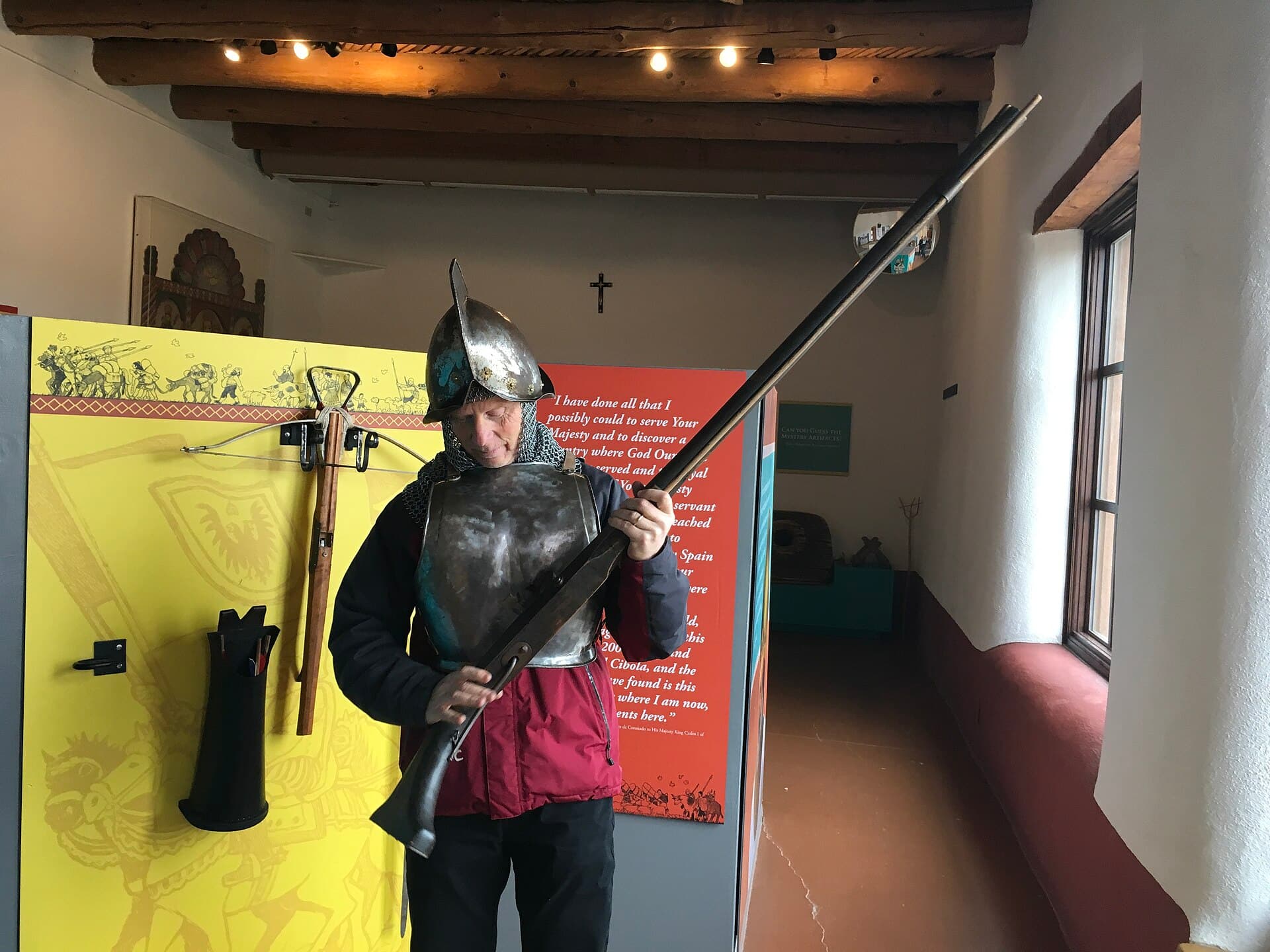
The preservation story also explains why the site feels different from a generic roadside stop. The reconstruction, the murals, the artifacts, and the interpretive work all turn the site into a place where archaeology is not abstract. It is visible in the walls, the objects, and the carefully preserved footprint of the pueblo itself.
What makes a visit worthwhile now
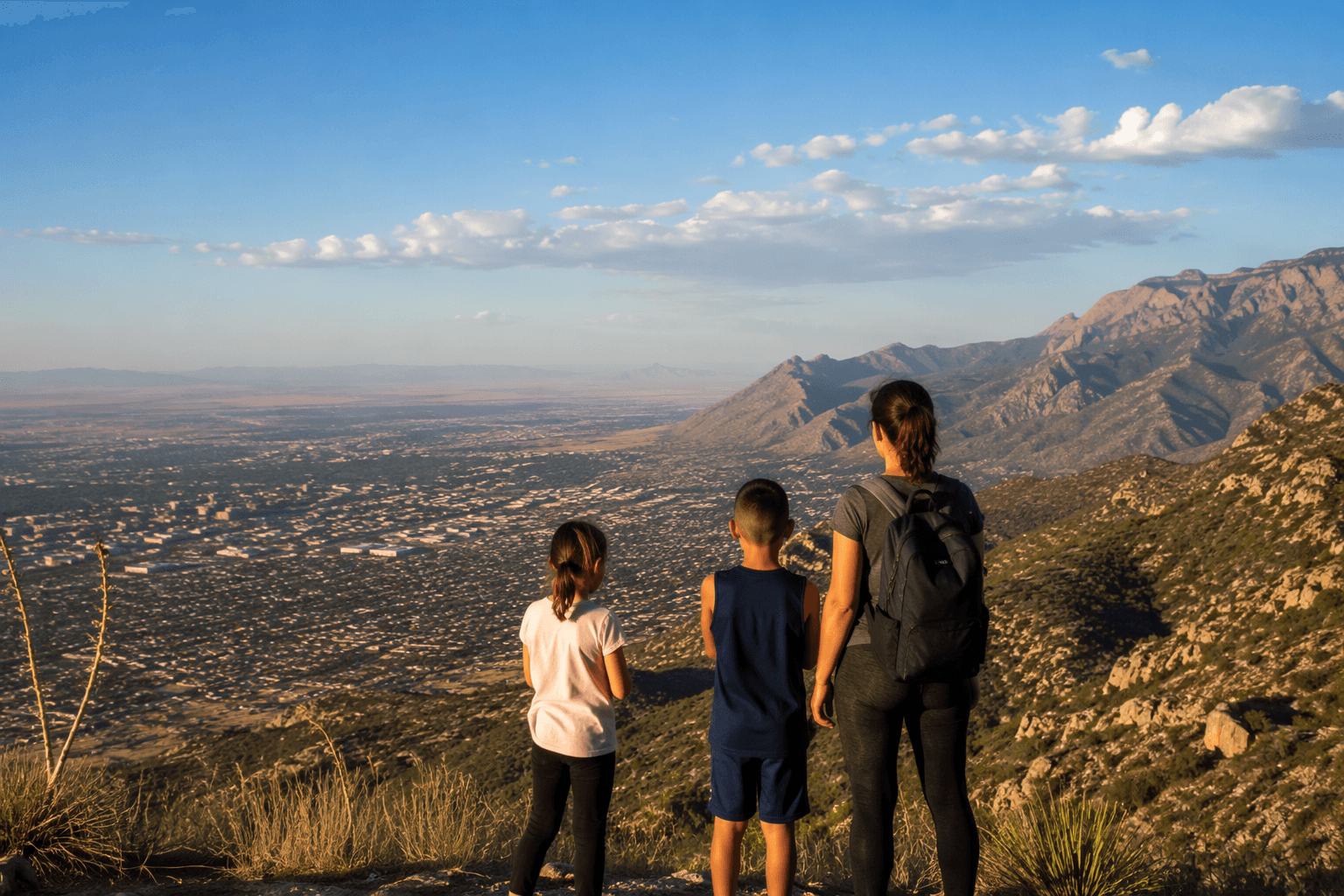
Coronado Historic Site works well as a Bernalillo County day trip because it connects the landscape people already know with the history they often do not. The setting along the Rio Grande, the views of the Sandia Mountains, and even the birdwatching opportunities help make the visit feel rooted in the county’s living environment, not separated from it.
One tourism listing gives general admission as $3 for adults, which makes the site accessible as a low-cost stop for families, students, and anyone building a fuller understanding of central New Mexico. But the larger value is not price. It is the chance to stand in a place where Pueblo history, Spanish contact, archaeology, and the modern river corridor still overlap.
What survives at Coronado Historic Site is not just a monument to the past. It is a record of continuity, adaptation, and memory on land where Bernalillo County’s story began long before the roads around it were paved.
This article was produced by Prism’s automated news system from verified source data, official records, and press releases, then run through automated quality and moderation checks before publishing. The system is built and supervised by the people who set the standards it runs under. Read our full AI policy.
Did this article answer your question?