Jurors deliberate in 2017 Albuquerque killing case cracked by DNA evidence
DNA from shell casings pulled a 2017 Albuquerque homicide back into court as jurors weighed felony murder charges nine years later.
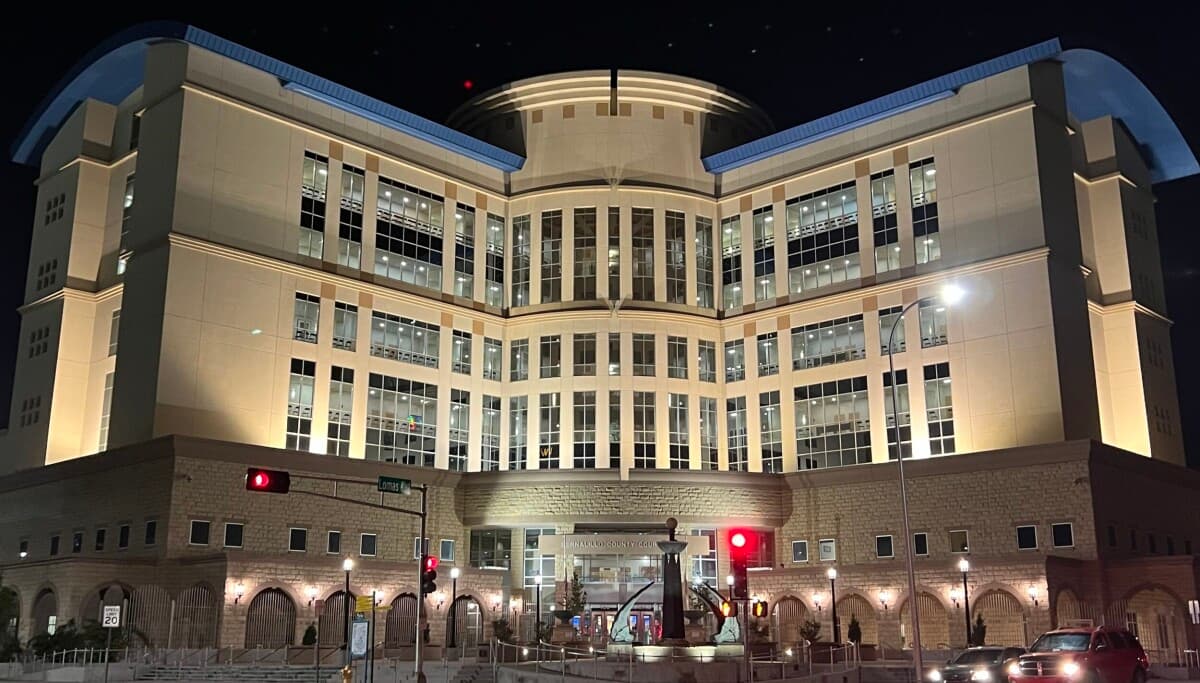
Jurors began deliberations in a 9-year-old Albuquerque killing case after prosecutors tied shell casings from the crime scene to DNA evidence. The trial centers on felony murder charges connected to a 2017 shooting, a case that sat unresolved for years before newer forensic testing gave investigators a path back in.
The prosecution’s use of DNA on shell casings highlights how cold-case homicide work in Bernalillo County is changing. Instead of relying only on eyewitness accounts, detectives and prosecutors can now revisit physical evidence collected long ago and test it with methods that were not available, or not as effective, when the case first stalled.
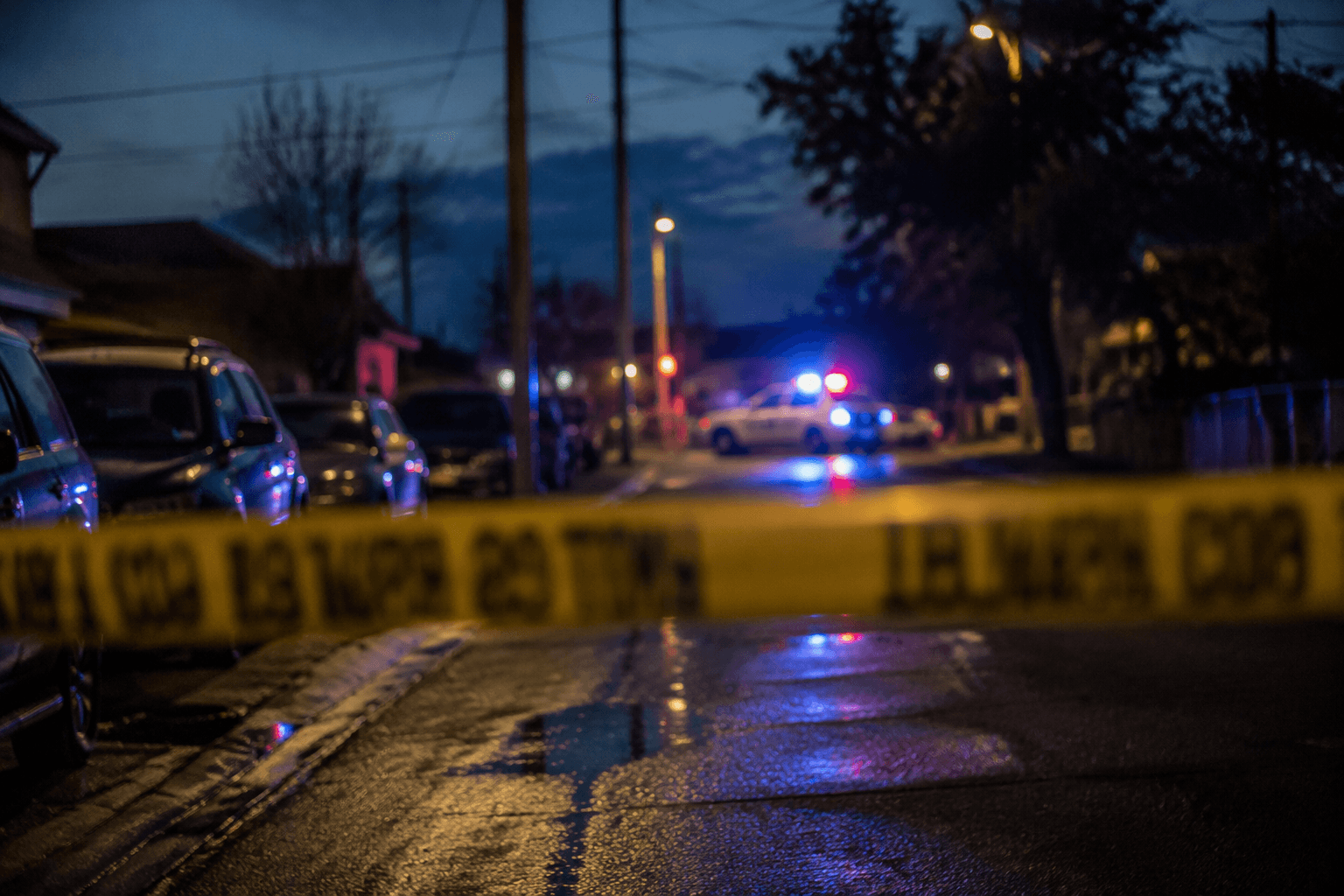
Bernalillo County Sheriff’s Office keeps a cold-case page for unresolved cases in the county, a reminder that old homicide files can remain active long after the first wave of leads dries up. That public-facing effort lines up with the New Mexico State Police Cold Case Homicide Unit, which says a case is cold when all investigative leads have been exhausted.
The state unit also says homicide investigations should generally be deemed cold after one year. In practice, cases can stay open far longer when lab work, witness cooperation or new forensic methods offer another chance at a charge. That is the path this Albuquerque case followed, with DNA testing on shell casings becoming the key development that brought it to trial.
For Bernalillo County, the case is also a measure of how well the system can revisit stalled murders from the city’s neighborhoods, apartment complexes and parking lots years after the original response. A case from 2017 can still move forward in 2026 when evidence preserved at the scene is strong enough to be reexamined, and when prosecutors decide the file is ready for a jury.
The deliberations left the question in jurors’ hands after a case that began as another unsolved Albuquerque shooting and returned to court only after forensic advances gave investigators a fresh way to read the evidence.
This article was produced by Prism’s automated news system from verified source data, official records, and press releases, then run through automated quality and moderation checks before publishing. The system is built and supervised by the people who set the standards it runs under. Read our full AI policy.
Did this article answer your question?