Sandia Peak Tramway links Albuquerque to high-country recreation
The tram still gives Albuquerque a quick climb into the Sandias, where trails, cooler air and accessible summit views keep it relevant far beyond tourism.
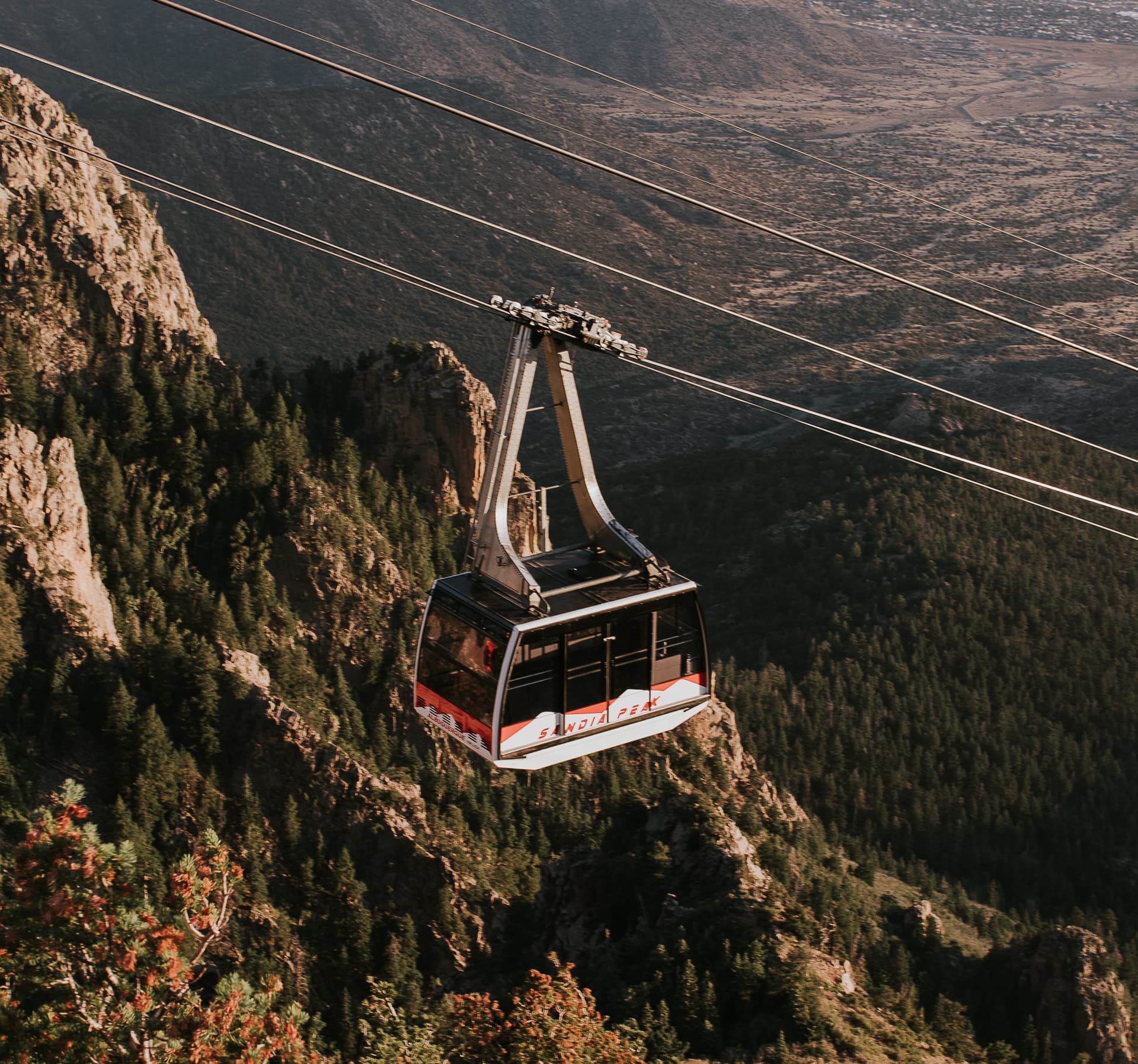
The Sandia Peak Tramway remains one of Bernalillo County’s most recognizable pieces of infrastructure because it turns the climb to the mountain into a short, shared public experience. In about 15 minutes, the 2.7-mile ride carries passengers from Albuquerque to the 10,378-foot crest of the Sandia Mountains, a route that has now carried more than 12 million people since it opened on May 7, 1966.
A mountain ride built from a local idea
The tramway began as a practical answer to a local problem: how to make Sandia Peak easier to reach. Robert Nordhaus brought back the concept after a trip to Europe, where he saw how a tram could connect a city to high ground and make ski access simpler. He and Ben Abruzzo turned that idea into a project that Bell Engineering of Lucerne, Switzerland, built over a two-year effort, and the result became the longest aerial tram in the Americas.
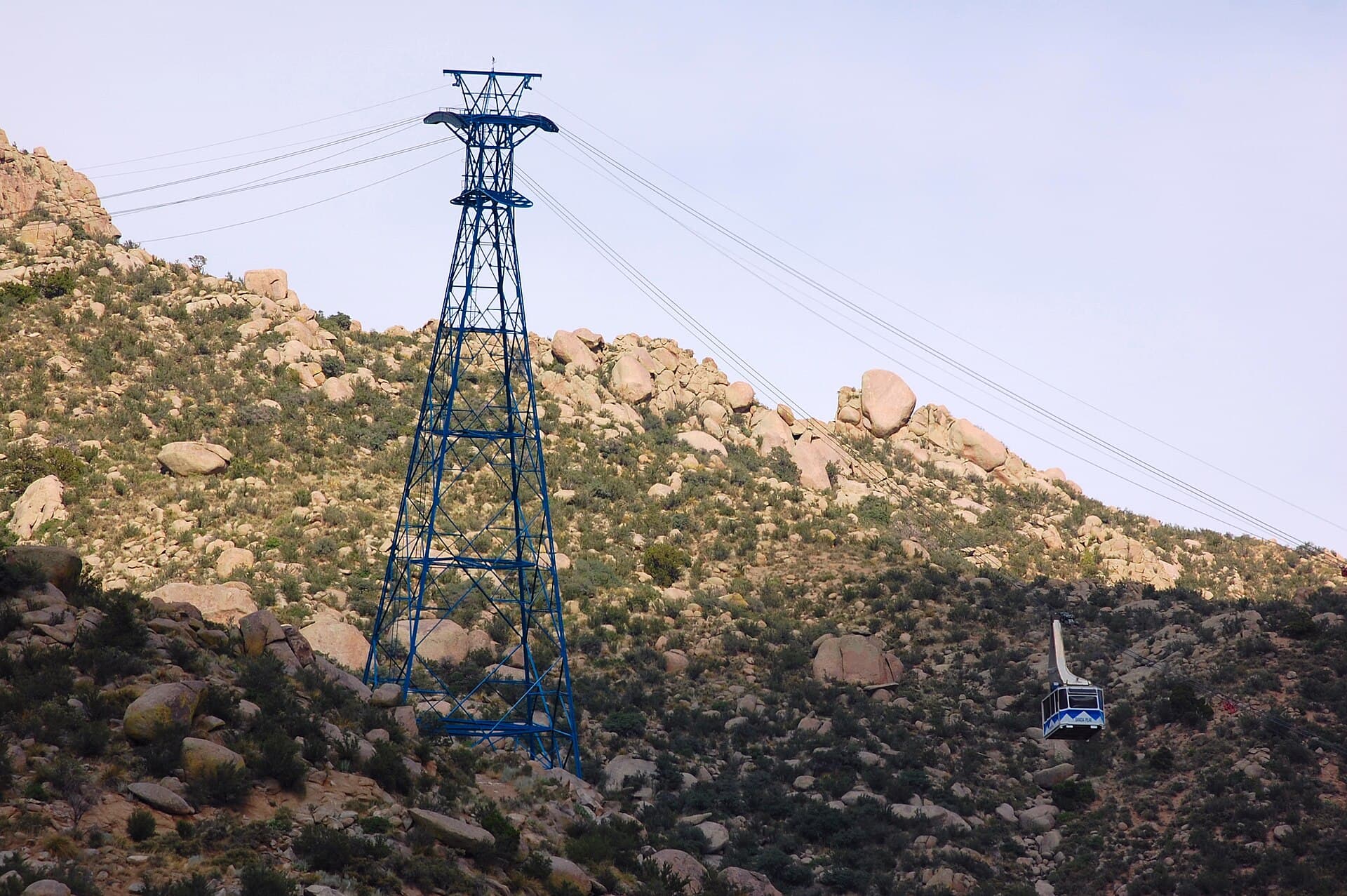
The engineering details still define the ride. The base sits at 6,559 feet, the climb rises 3,819 feet, and Tower One stands 232 feet tall at an elevation of 7,010 feet. The tower leans 18 degrees toward the city, a detail that underscores how much force and precision the system has always required. The tram’s own history materials frame that machinery as part of Albuquerque’s identity, not just as transport, but as a landmark people measure time against, with 10,500 trips a year and a system that has been in service since 1966.
Why locals still use it
What keeps the tram relevant is not only the view from the top, but what the top connects to. The upper terminal opens onto an 11,000-square-mile panorama, and the Sandia Peak mountain information page says more than 100 hiking trails are available from the crest. The U.S. Forest Service says more than half of visitors to the Sandia Mountains either ride the tram or drive the Sandia Crest National Scenic Byway, which puts the tram in the middle of the region’s access network rather than at the edge of it.
That matters for people who live in Bernalillo County because the tram is a direct path into recreation that would otherwise take much longer to reach. The South Crest Trail #130 runs 13 miles from the top, Tramway Trail 82 runs 2.6 miles, and La Luz Trail 137 stretches 7.5 miles and ends near the upper terminal. Taken together, those routes make the tram a practical starting point for day hikes, ridge walks and longer mountain outings that begin close to the city and quickly move into high-country terrain.

A seasonal public space, not a one-time attraction
The mountain also changes the way people experience weather in Albuquerque. The tramway says temperatures at the peak are typically 15 to 30 degrees cooler than in the city, which gives the crest an obvious seasonal pull during hot months without tying it to any single week or holiday. For families, school groups and longtime locals, that cooler air is part of why the ride functions as a regular outing rather than a special occasion.
Crowds cluster around predictable times. The tramway says its busiest periods include summer, Balloon Fiesta week, Christmas, New Year’s, Memorial Day weekend, Labor Day weekend and the Fourth of July. It also warns that tickets can sell out and waits can stretch to one or two hours during Spring Break, holidays and Balloon Fiesta. For local planning, that means the tram works best as a flexible year-round option, but one that rewards early timing when the region is already pulling people toward the mountain.
Access that reaches more people
The tramway’s accessibility features widen that public role. Its tram cars, walkways and upper terminal are wheelchair accessible, and sight-impaired visitors can still hear detailed narration about the mountain, rock formations, vegetation and animals during the ascent. That makes the tram one of the few high-country experiences in the county that is built to welcome a broader range of riders, including people who might not be able to tackle steep trailheads on foot.
The upper terminal is also home to TEN 3 Restaurant, which sits at the same 10,378-foot elevation as the crest. That matters because the summit is not just a destination for hikers. It is also a place where people can arrive, pause and take in the mountain without committing to a strenuous climb, which has helped the tram remain a shared public vantage point across seasons, ages and mobility levels.
A modern system inside a historic frame
The tramway is not frozen in its original form. Its modernization work includes automated, energy-efficient controls, a renovated drive and control room, solar-powered cameras and weather stations on Towers 1 and 2. Local reporting on the upgrades says the work includes a new AC motor and a replacement control system, with tram officials saying the ride should be somewhat quicker and more reliable after the improvements.
That investment intersects with land management on the mountain itself. The U.S. Forest Service says Sandia Crest-area projects announced in 2026 will affect visitor use and access through fall 2027, including an area closure that began April 30, 2026 for hazard-tree removal and fuel-reduction work. Even during crest-area forest closures for health and wildfire prevention, the South Crest Trail remains available from the top of the tram, which keeps part of the high-country network open while the surrounding landscape is being stabilized.
Ownership, stewardship and local identity
The tram’s history is also tied to the Sandia Peak Ski Company, founded by Ben Abruzzo and Robert Nordhaus. Robert Nordhaus is the father of economist William Nordhaus, a family link that often appears in profiles of the mountain business. In 2023, Mountain Capital Partners entered a joint venture to operate the ski area, while the Abruzzo family retained tram and restaurant operations, keeping the tramway, the summit restaurant and the ski area as connected but distinct parts of the mountain economy.
That structure helps explain why the tram still matters locally. It is not only a relic of 1966 engineering. It remains a working gateway to Sandia recreation, a public overlook above Albuquerque, and a piece of Bernalillo County identity shaped by trail access, seasonal use, accessibility and the ongoing care needed to keep the mountain open.
This article was produced by Prism’s automated news system from verified source data, official records, and press releases, then run through automated quality and moderation checks before publishing. The system is built and supervised by the people who set the standards it runs under. Read our full AI policy.
Did this article answer your question?