South Valley teen prepares steers for Bernalillo County Fair auction
RaeAnna Gallegos is feeding and tracking three steers before fair day, where months of work end in judging and an auction at Expo New Mexico.
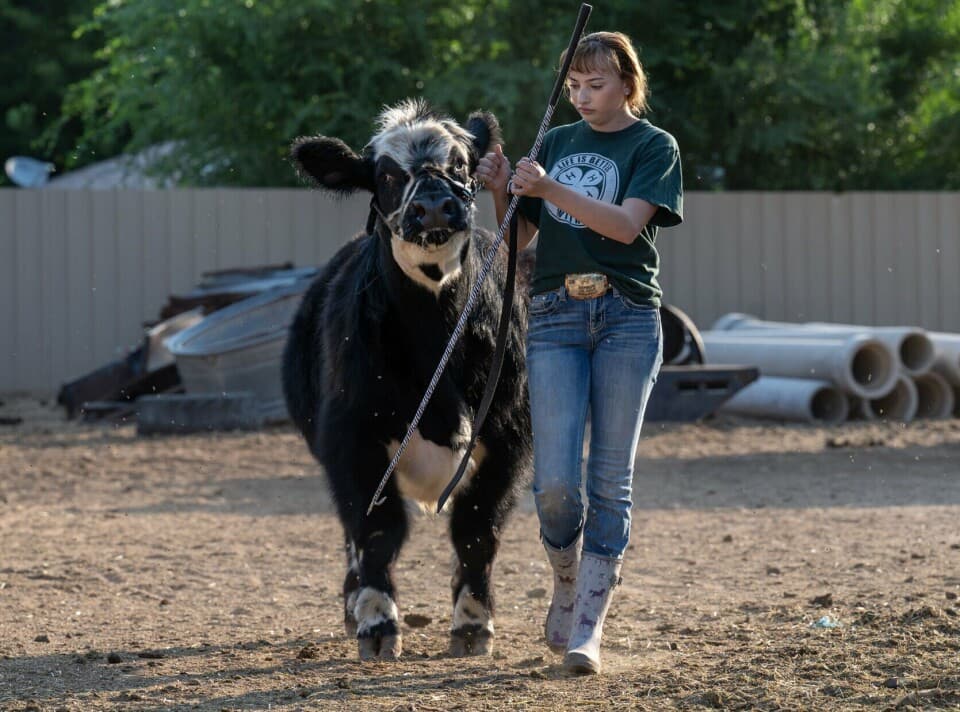
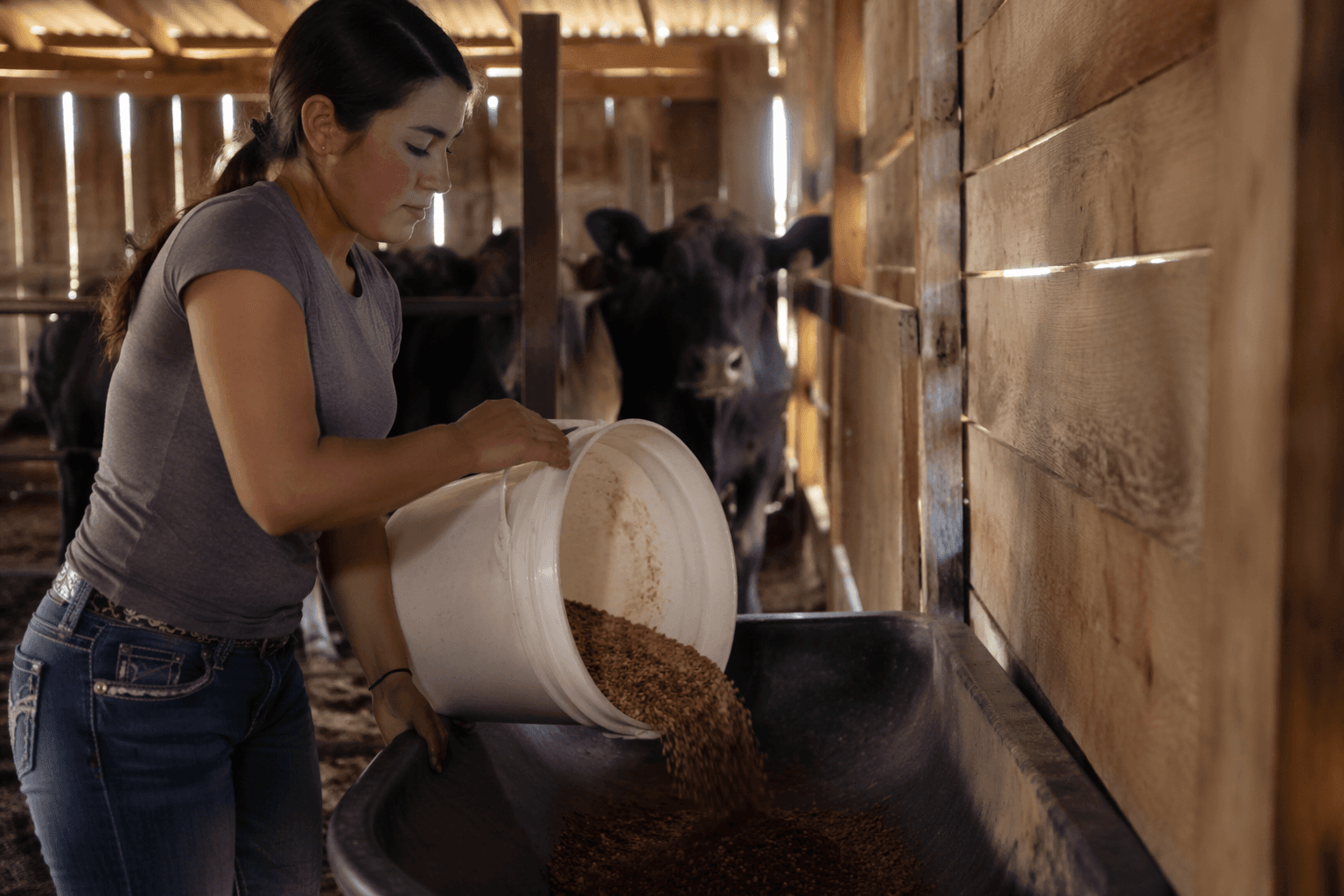
Before the first steer ever steps into the ring, RaeAnna Gallegos is already putting in the work that makes fair day possible. The South Valley teen starts her mornings checking on Magic, Honey and Tank, watching them eat grain and grow as the Bernalillo County 4-H Fair moves toward its auction at Expo New Mexico.
Behind the scenes with three steers
Gallegos’ routine shows how much of a livestock project happens far from the public gates. Feeding, observing and handling the animals every day builds the consistency that judges look for later, and it also turns the fair into a lesson in time management. A project with three steers leaves no room for guesswork, because each animal has to be watched for appetite, growth and condition long before anyone begins evaluating them.
That daily work is part of the training itself. The fair ring may only take a few minutes, but the weeks leading up to it require steady care, attention and patience from students and their families. For a South Valley teenager, that means learning how to keep a project on schedule while school, chores and animal care all compete for time.
Where the Bernalillo County Fair fits on the calendar
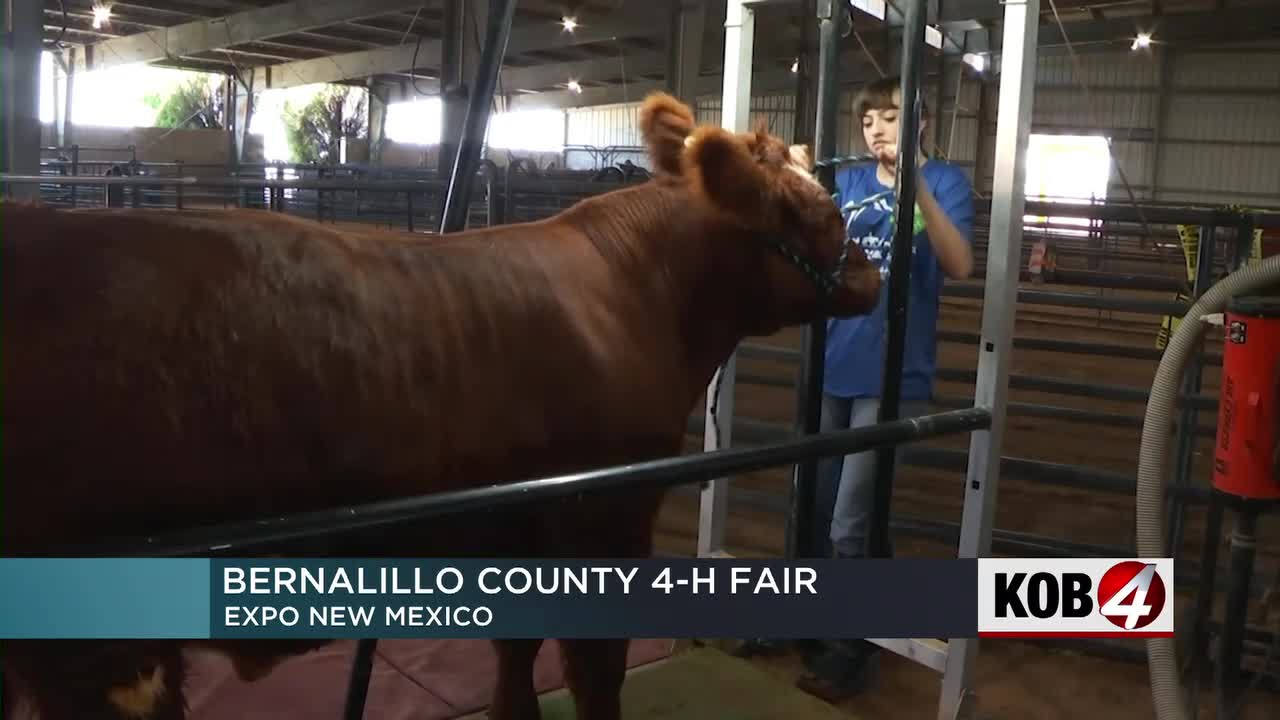
The Bernalillo County 4-H Fair is taking place at Expo New Mexico in Albuquerque and is open to the public. Expo New Mexico says the fair runs through Friday, Aug. 1, with the livestock sale highlighted in the final days of the show. That timing gives families a clear local calendar marker, especially for 4-H supporters who follow the sale as closely as the show itself.
The fair’s official website frames the event as “Bringing Families, Agriculture & Community Together,” which matches the way the county uses the fair as both a competition and a community gathering. The site also includes a 2026 fairbook and an animal auction page, clear signs that this is a structured youth program with rules, schedules and sale details, not just a one-day display.
New Mexico State University’s Bernalillo County Extension Office also keeps county fair information and contacts for participants. That connection matters because it shows the fair is backed by an Extension support system, not left to families to navigate alone.
What shows up at the fairgrounds
The Bernalillo County fair is bigger than one steer project. Coverage of the event shows kids and teens presenting large animals, livestock sales, small animals, arts and crafts, and other creative projects at Expo New Mexico. That mix makes the fair one of the clearest public windows into how Bernalillo County youth programs blend agriculture with classroom-style responsibility and hands-on skill building.
Expo New Mexico describes 4-H as the largest youth development organization in America, and the Bernalillo County fair puts that mission on display in practical terms. Animals must be prepared, projects must be finished and schedules must be followed. The result is a fair that rewards both animal care and the discipline needed to bring a project from the pasture to the judging arena.
For South Valley families, the fair is also a familiar community ritual. For other county residents, it is an easy way to see what 4-H looks like up close: youth members showing animals, presenting projects and carrying work that started months earlier into a public arena.
The auction is where the work turns into a sale
The livestock auction gives the fair its economic edge. One Bernalillo County 4-H Fair auction listing showed 95 lots, a number that makes the scale of the sale hard to miss and explains why every feeding, grooming and handling session matters. A strong project is not built overnight, and the size of the sale means many students are competing for buyers’ attention at the end of the fair.
The sale has also had its own check-in routine. A 2021 KRQE account showed buyer registration beginning at 10 a.m. on July 30 at the New Mexico State Fair Grounds in the Swine Barn. That detail is a reminder that auction day is a process, with buyers, students and families all moving through a set schedule before the first lot is sold.
For students, the auction is more than a finish line. It is the point where months of feeding and training become visible to the public and to the people who support youth agriculture in Bernalillo County.
Accessibility and support for participants
The fair also has practical details families need to know well before show week. A 2025 fair book noted that participants needing disability accommodations were asked to contact the 4-H Office at (505) 243-1386 by July 5. That kind of notice matters because it shows the fair expects different access needs and routes those requests through the office responsible for helping participants take part.
That support, along with the county Extension office information page, helps explain why the Bernalillo County fair works as a countywide program instead of a single event. Students need dates, contacts, rules and accommodation information before they ever bring an animal to the grounds.
Why RaeAnna’s project matters beyond the ring
RaeAnna Gallegos’ mornings with Magic, Honey and Tank show the fair as a working part of South Valley life. The story is not just about a teen heading to an auction at Expo New Mexico. It is about the labor, planning and family effort that go into a county fair project weeks before anyone hands out a ribbon or opens bidding.
That is what makes the Bernalillo County 4-H Fair matter in a year filled with bigger headlines. It gives the county a place where education, agriculture and community work happen in public, one feeding, one weigh-in and one auction lot at a time.
This article was produced by Prism’s automated news system from verified source data, official records, and press releases, then run through automated quality and moderation checks before publishing. The system is built and supervised by the people who set the standards it runs under. Read our full AI policy.
Did this article answer your question?