2 nēnē killed in Waikōloa parking lot, state investigates
Two endangered nēnē were killed at Queens’ Marketplace in Waikōloa, where state officials say about 70 birds have been drawn to cat food near the parking lot.
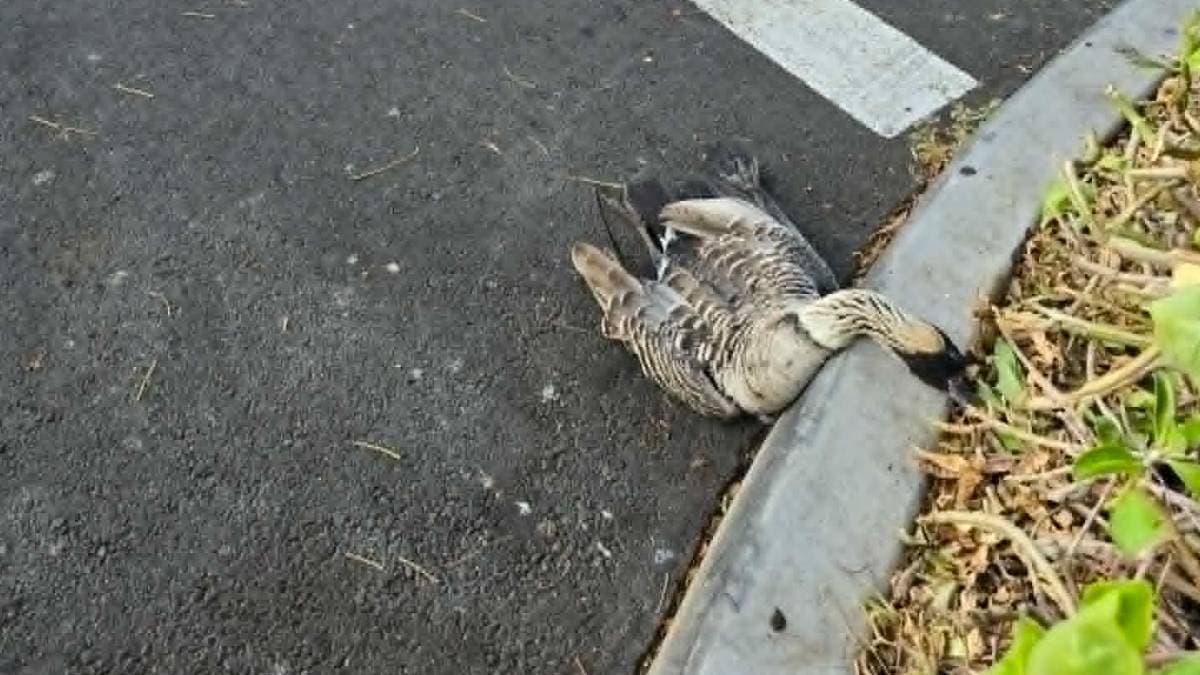
Two endangered nēnē were killed in the Queens’ Marketplace parking lot in Waikōloa after being struck by a vehicle, and state investigators are still piecing together how the June 3 crash unfolded. Officers with the Hawaii Department of Land and Natural Resources’ enforcement division responded to the lot, spoke with the driver of a vehicle suspected of being involved, and left the case open.
Witness Carl Neville said he was arriving to work around 6:30 a.m. when he saw the birds in the parking lot and realized something was wrong. Neville described one nēnē as clearly dead and said he tried to help the second bird before discovering it was also dead. He posted photos on social media, and the images quickly spread, deepening anger and grief over the loss of a species many Hawaii Island residents see as a symbol of the islands.
The deaths landed in a place wildlife managers have already been watching closely. State officials said recent counts found about 70 nēnē eating cat food left on lava rocks near Queens’ Marketplace, and the department has been working with Alexander and Baldwin to stop cat feeding in the area. DLNR also removed cat-feeding stations from the property in April 2023 after finding that nēnē were eating the food and mingling with feral cats. The stations had been placed in the back parking lot, a detail that now hangs over the latest deaths with added urgency.
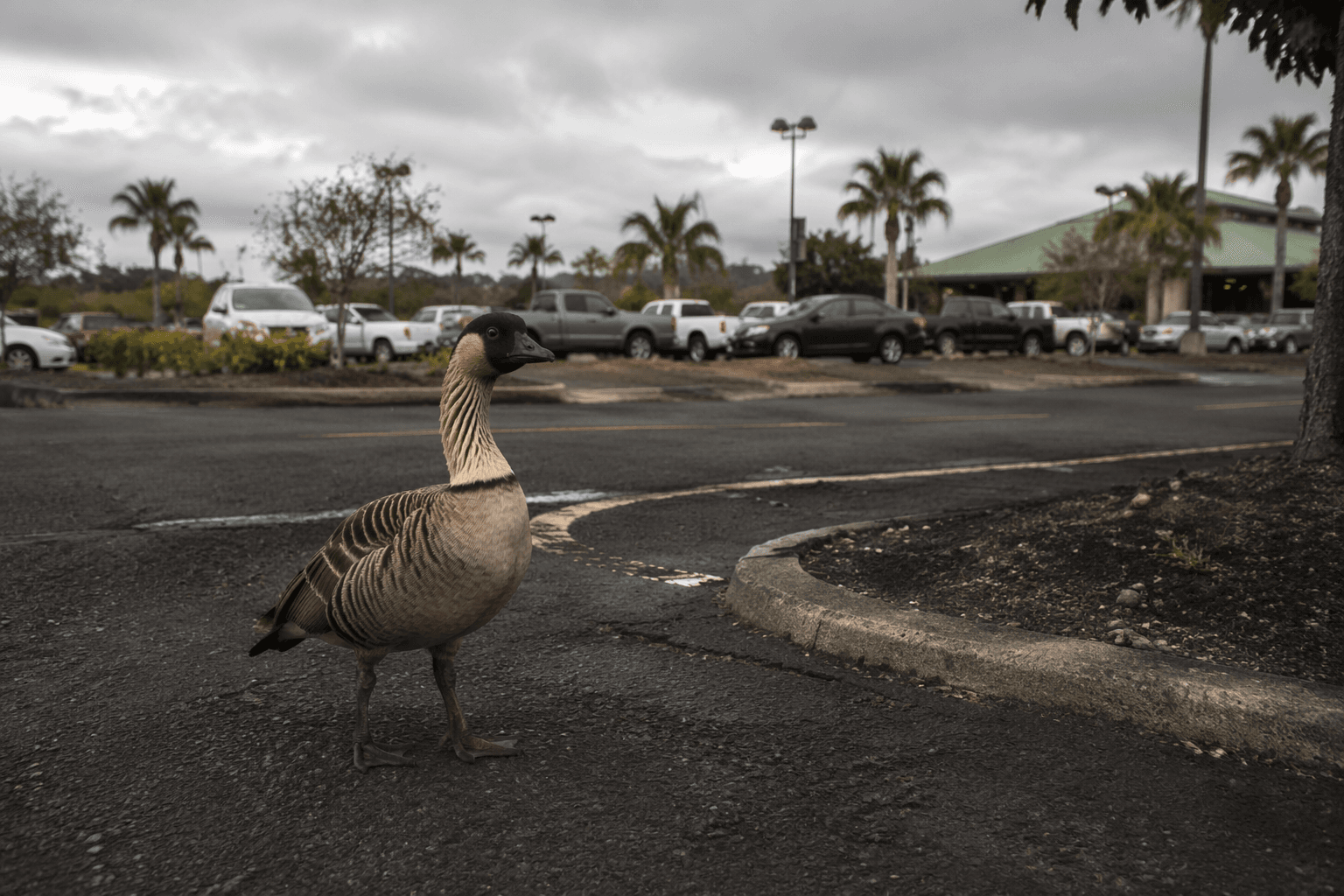
The broader conservation stakes are severe. DLNR says the nēnē is the only surviving native goose species in Hawaii, federally listed as threatened and state listed as endangered. The agency says Hawaii has lost 71 bird species since human arrival, and that the nēnē nearly vanished in the 1940s, when the population fell to fewer than 30 birds. After decades of recovery work, the species was downlisted from endangered to threatened in December 2019, but it remains highly vulnerable wherever food, roads and wildlife overlap.
DLNR has warned that feeding cats or leaving cat food outside can habituate nēnē to people and traffic, expose them to vehicles and predators, and increase the risk of toxoplasmosis, which the department identifies as a leading cause of death for the birds. Wildlife biologist Raymond McGuire has said the conflict reflects a disconnect between people who love animals and the damage that feeding can cause to native wildlife. Nēnē Research & Conservation has been trying to bring both sides together, but in Waikōloa the next steps will be judged by whether the same parking lot can be made safer before another nēnē is killed.
This article was produced by Prism’s automated news system from verified source data, official records, and press releases, then run through automated quality and moderation checks before publishing. The system is built and supervised by the people who set the standards it runs under. Read our full AI policy.
Know something we missed? Have a correction or additional information?
Submit a Tip