Ahu‘ena Heiau in Kailua-Kona marks first capital of Hawaiian Kingdom
Ahu‘ena Heiau anchors Kamakahonu as both Kamehameha I’s royal center and a living landmark in Kailua-Kona’s busy visitor corridor.
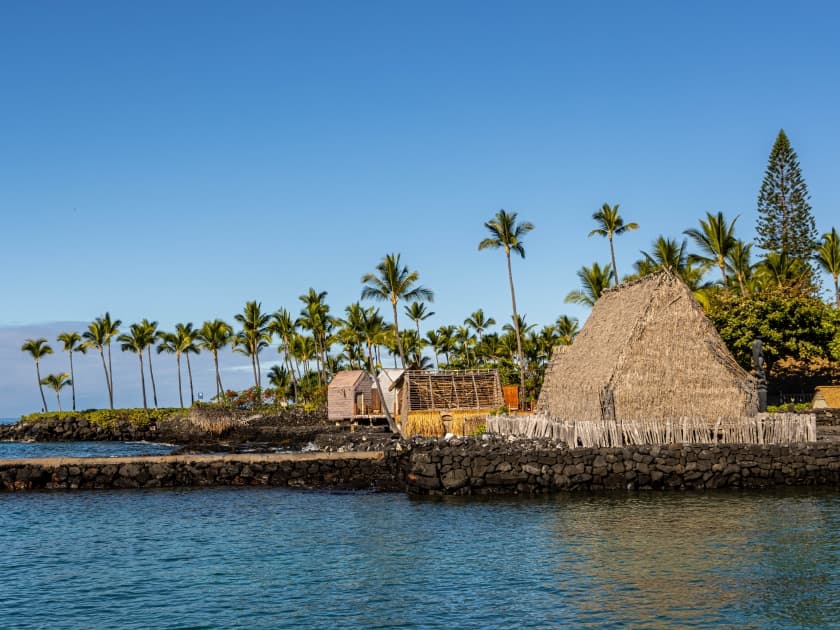
Ahu‘ena Heiau still matters in Kailua-Kona because it is one of the clearest places where Hawaiian Kingdom history, shoreline identity, and present-day land-use pressure meet on the Big Island. The site at Kamakahonu is formally listed by the National Park Service as a National Historic Landmark, and county testimony describes it as the first capital of the Kingdom of Hawaii unified by Kamehameha the Great, along with the first restored temple of worship in the Hawaiian Islands.
Kamakahonu is more than a scenic stop
Kamakahonu is not just a name on a map. In the National Register materials, the historic place is identified as the “Residence of Kamehameha I, including Ahu‘ena Heiau,” and it carries the state site number 10-27-7002. That places the heiau inside a federally recognized historic landscape, not as an isolated ruin but as part of Kamehameha I’s royal residence in Kailua-Kona.
The site’s meaning deepens in the place names themselves. Ahu‘ena Heiau’s own history page places it in Kamakahonu, meaning “eye of the turtle,” within the ahupuaa of Lanihau at Kailua, Kona. That framing matters because it ties the heiau to the shoreline, the land division, and the coastal setting that still shape how people move through this part of town today.
Why the site belongs in today’s Kona conversations
Ahu‘ena Heiau continues to surface in civic and planning discussions because it sits where modern development, shoreline access, tourism, and cultural stewardship overlap. A historic site that once marked royal authority now also helps define how Kailua-Kona understands its own center, especially in a district where visitors pass through quickly and the deeper history can disappear behind daily commerce.
That is why the county record from the July 21, 2022 meeting of the County of Hawaii Leeward Planning Commission stands out. In testimony tied to that meeting, Lamakū Lauren Mikahala Roy described Ahu‘ena Heiau at Kamakahonu as the first capital of the Kingdom of Hawaii unified by Ka Mōī Kamehameha-the-Great. The same testimony identified it as the first restored temple of worship in the Hawaiian Islands, language that turns the heiau from background scenery into a place that still carries civic weight.
A royal temple built for a kingdom in motion
Ahu‘ena Heiau was restored as Kamehameha I’s personal temple, and one historic source notes that Kona was facing famine at the time of his return. That detail gives the site a harder edge than a simple heritage marker: it sits inside a period of political consolidation, spiritual practice, and local hardship all at once.
Seen that way, Kamakahonu was not merely a residence. It was a royal compound where power, ritual, and the future of the Hawaiian Kingdom converged in one shoreline setting. For anyone standing in present-day Kailua-Kona, that history changes the landscape from something to pass by into something that once anchored the making of a kingdom.
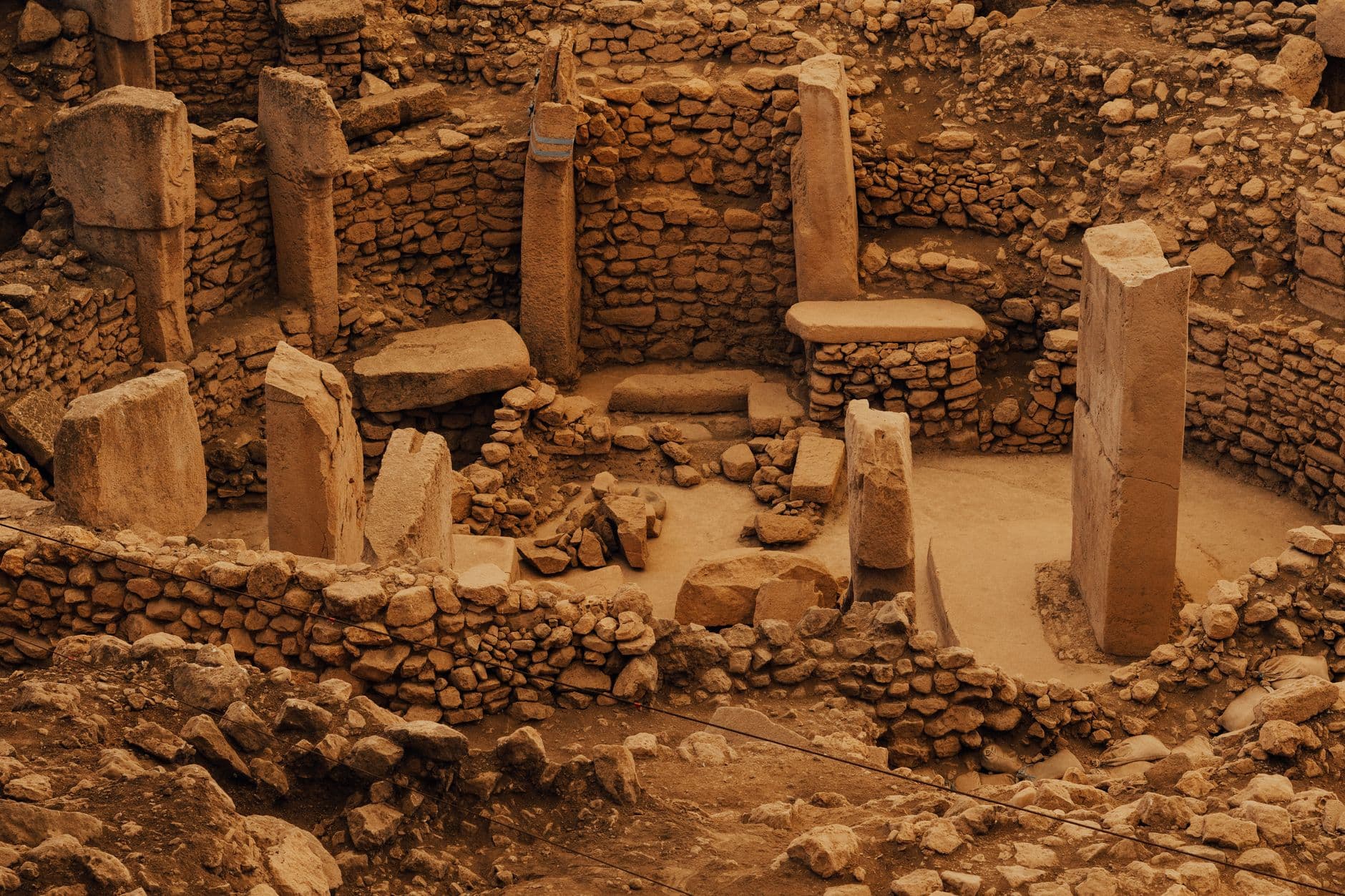
Preservation has been ongoing, not symbolic
The site’s own history materials show that Ahu‘ena Heiau has had its own reconstruction and tsunami-damage history, which is a reminder that preservation here has never been a one-time act. Storm impacts, coastal exposure, and the passage of time have all shaped what survives and what has to be repaired or reinterpreted.
That ongoing vulnerability is part of why Kamakahonu matters to Big Island County now. A place that has already experienced damage and rebuilding cannot be treated as static. Every preservation decision around the shoreline, every land-use conversation nearby, and every public explanation of the site becomes part of whether the next generation sees it as a living Hawaiian place or just a name attached to a landmark plaque.
What to notice when you pass through Kamakahonu
The strongest reason to slow down at Ahu‘ena Heiau is the contrast it creates with its surroundings. Kailua-Kona is one of West Hawaii’s busiest visitor areas, but the heiau asks people to read the shoreline differently: not only as commercial frontage or a place of transit, but as the former seat of a kingdom and a sacred site still recognized at the federal level.
A few facts make that easy to keep straight:
- The National Park Service recognizes Kamakahonu in Kailua-Kona as a National Historic Landmark area.
- National Register documentation names the place as the “Residence of Kamehameha I, including Ahu‘ena Heiau.”
- The state site number is 10-27-7002.
- County testimony places the first capital of the unified Hawaiian Kingdom at Ahu‘ena Heiau in Kamakahonu.
- Ahu‘ena Heiau’s own history page places the site in Kamakahonu, “eye of the turtle,” in the ahupuaa of Lanihau at Kailua, Kona.
Those details help explain why the site keeps coming back in conversations about protection and public memory. In Kona, Ahu‘ena Heiau is not a relic set apart from everyday life. It is a place where the story of the Hawaiian Kingdom remains visible in the middle of a shoreline district that is still being used, interpreted, and contested.
This article was produced by Prism’s automated news system from verified source data, official records, and press releases, then run through automated quality and moderation checks before publishing. The system is built and supervised by the people who set the standards it runs under. Read our full AI policy.
Did this article answer your question?