Big Island Beaches Offer Diverse Experiences, Plan Visits Carefully
The Big Island coastline includes white sand resorts, black sand shores, and rugged lava framed coves, and that variety matters for safety, access, and local services. Residents and visitors should match beach choice to experience and check conditions, because surf, parking, and wildlife protections vary across districts.
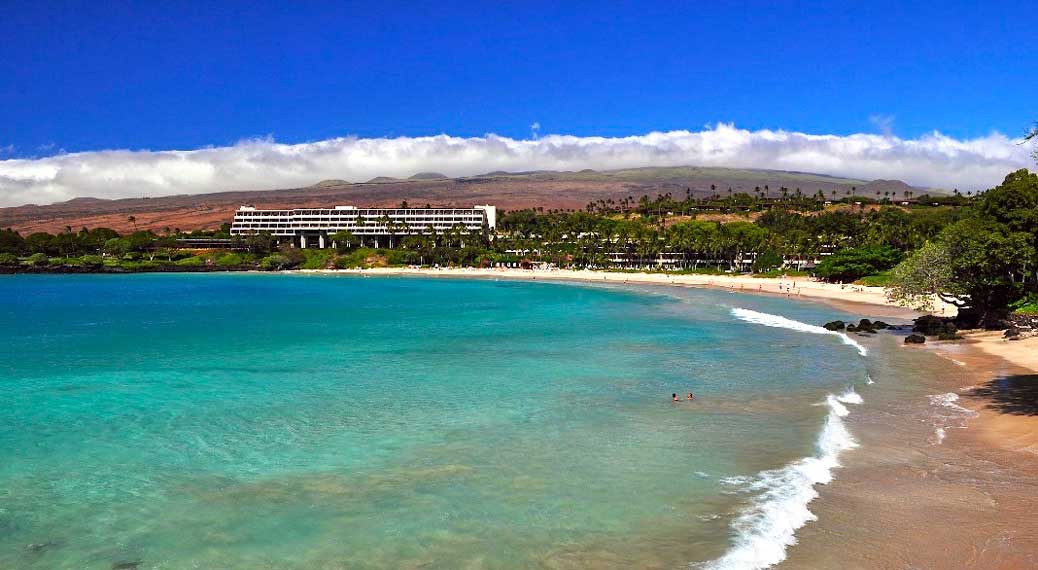
The Big Island’s shoreline presents a range of beach experiences that affect how people get to the water, what they can do there, and how local services respond. From white sand at Kaunaʻoa, also known as Mauna Kea Beach, and Hapuna on the Kohala coast, to the black sand of Punaluʻu and the lava framed coves on the Hilo side, different shore types mean different snorkeling conditions, currents, and entry and exit difficulty for swimmers.
Safety considerations are central. North facing beaches can develop hazardous shorebreak during the north or winter swell season, increasing the risk of injury for swimmers and beachgoers. Surf forecasts and posted warnings are important daily checks. Lifeguard coverage is available at some sites but not all, and beaches without lifeguards require extra caution from families and solo visitors.
Access and facilities vary across districts, and that variation has local implications. Several white sand beaches sit adjacent to resort properties, where public access points exist but parking and amenities can be limited. Other beaches offer public parking, restrooms, and lifeguard services, but those facilities are not guaranteed at every location. Limited parking near popular beaches concentrates traffic into small neighborhoods, creating pressure on county enforcement and local businesses that serve visitors.
Environmental and cultural protections shape visitor behavior. Nesting areas for seabirds and sea turtles require distance and quiet during sensitive seasons, and signage often marks cultural sites where trespass is prohibited. Applying Leave No Trace principles helps protect fragile black sand and lava framed shorelines that recover slowly from disturbance. Respecting signage reduces conflicts with community members who steward these places.

The mix of beach types also has economic and policy implications for Big Island County. Tourism dollars concentrate near accessible white sand beaches with full amenities, while remote black sand and lava cove sites attract niche outdoor recreation but place greater demands on search and rescue resources when conditions change rapidly. For county planners and emergency services, improving clear public information about surf conditions, parking rules, and lifeguard coverage can reduce costly emergency responses and support sustainable visitor flows.
Practical planning steps matter for everyone. Know the beach type before you go, check up to date surf forecasts and posted warnings, confirm parking and facilities in advance, and respect wildlife and cultural signage. Those simple actions protect personal safety, reduce strain on local services, and help preserve the island’s diverse shorelines for residents and visitors alike.
This article was produced by Prism’s automated news system from verified source data, official records, and press releases, then run through automated quality and moderation checks before publishing. The system is built and supervised by the people who set the standards it runs under. Read our full AI policy.
Did this article answer your question?