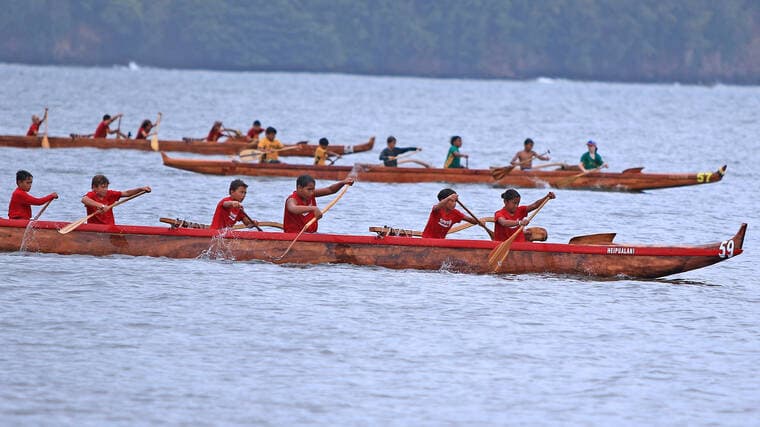
Big Island coral reefs get emergency repairs after Kona Low storms
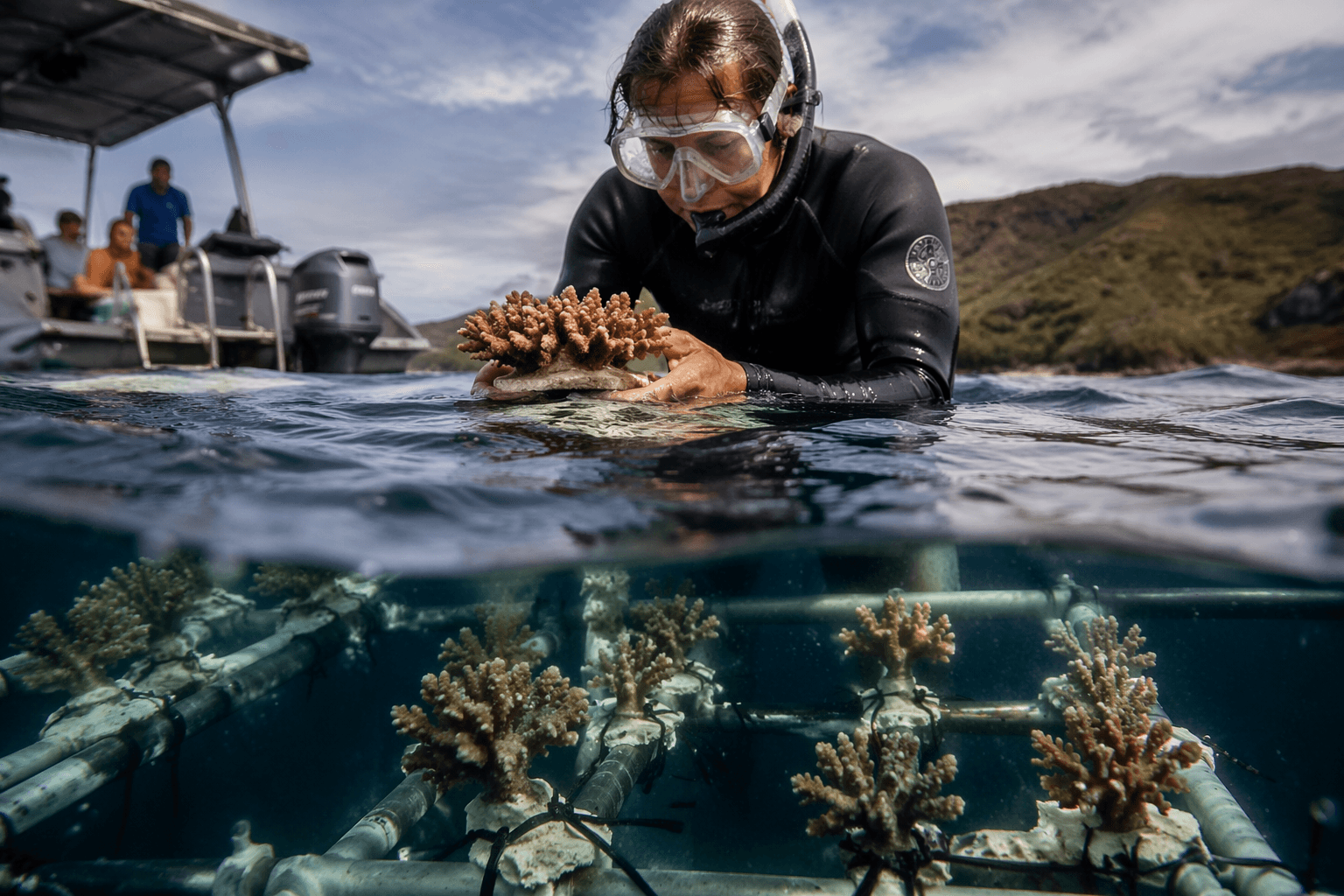
Crews are reattaching coral broken loose by the March Kona Low storms off Kealakekua Bay, Kahuwai Bay and South Kohala, where reefs help shield shores and support tourism.

Crews with The Nature Conservancy and the Hawaii Emergency Reef Restoration Network are reattaching coral broken loose by the March Kona Low storms on Big Island reefs off Kealakekua Bay, Kahuwai Bay and South Kohala.
The response builds on a coral insurance program The Nature Conservancy bought in 2022, the first reef insurance policy in the United States, and renewed for 2025. That policy can provide up to $2 million for rapid reef repair after qualifying hurricane or tropical-storm damage, and the 2025 version is triggered by tropical-storm winds of 50 knots or greater passing through the core zone. After the policy was purchased, the Hawaii Emergency Reef Restoration Network formed and developed statewide rapid-response guidance and local teams on multiple islands.
Two back-to-back Kona Lows hit Hawaii in March 2026, from March 10 through 16 and March 17 through 23. University of Hawaii and Hawaii Data Science Institute summaries put March 2026 as the third wettest March since 1920, with up to 77 inches of rain in 14 days in some places and an estimated 2.3 trillion gallons of water falling across the islands. The second storm, from March 19 through 23, dumped up to 61 inches in localized areas and drove major flooding on Maui County, Oahu and Hawaii Island. University of Hawaii weather data captured hurricane-force winds on Hawaii Island.
Hawaii's reefs shelter and sustain about 25% of all marine species, support more than 7,000 marine plants and animals, and provide more than $2 billion a year in flood protection and reef-related tourism, according to The Nature Conservancy. Reefs supply food, jobs, recreation, coastal protection and cultural value, and DLNR records cite a $863 million annual valuation for the state's coral reefs. DLNR records also show some reef sites lost as much as 50% of cover during the 2014 through 2016 bleaching period.
Coral restoration program manager Julia Rose said the dislodged colonies may be “our most resilient corals” and “the future of our reef.” Hawaii Island has seen this kind of recovery before: in 2024, DLNR, The Nature Conservancy and Arizona State University recovered nearly 11 years of coral growth from a decommissioned offshore fish-farm pipe ring near Honokōhau Small Boat Harbor and moved it back to the reef inshore of the fish pens. DLNR's Reef Response program treats rapid assessments as the first step after events such as bleaching, disease and crown-of-thorns outbreaks.
This article was produced by Prism’s automated news system from verified source data, official records, and press releases, then run through automated quality and moderation checks before publishing. The system is built and supervised by the people who set the standards it runs under. Read our full AI policy.
Did this article answer your question?