Big Island Residents: How to Prepare for Power Outages Before They Strike
Power outages on the Big Island can strike with little warning; here's what Hawaiian Electric and emergency experts say you should do before the lights go out.
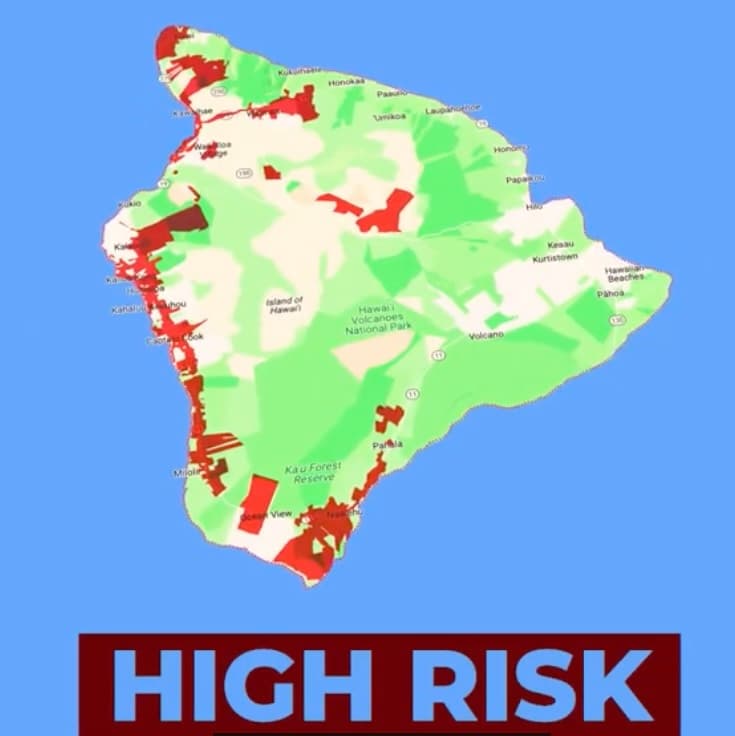
Living on the Big Island means living with the reality of power outages. Volcanic activity, tropical storms, high winds, and aging infrastructure can all knock out electricity with little warning, sometimes for hours, sometimes for days. The good news is that Hawaiian Electric and local emergency management agencies have laid out a clear framework for preparation, and the steps you can take before an outage hits are far more effective than scrambling in the dark after one begins.
Know your power provider and how to reach them
Hawaiian Electric serves the Big Island, and knowing how to contact them before an emergency is essential. The utility maintains an emergency handbook that outlines procedures for both planned outages, which are often scheduled for infrastructure maintenance, and unplanned outages caused by storms or grid failures. Bookmark Hawaiian Electric's outage map and customer service contact information now, while your devices are charged and your internet is working. During a major storm event, phone lines can become congested quickly, so having multiple contact methods ready, including the utility's mobile app and website, gives you options when one channel is overwhelmed.
Planned outages are typically announced in advance through Hawaiian Electric's website and local media. If you live in areas that frequently experience maintenance shutdowns, signing up for outage notifications through your Hawaiian Electric account means you receive direct alerts rather than relying on news reports you might miss.
Build your emergency supply kit
The foundation of outage preparedness is a well-stocked emergency kit assembled before any storm or outage warning is issued. Waiting until a hurricane watch is posted for the island means competing with thousands of other residents for the same supplies at KTA Super Stores, Walmart in Kailua-Kona, or any other local retailer. The time to stock up is now, during a calm week when shelves are full.
A solid emergency supply kit for a Big Island household should include:
- At least one gallon of water per person per day, with a minimum three-day supply (seven days is safer given the island's geographic isolation)
- Non-perishable food items that require no cooking or refrigeration
- A battery-powered or hand-crank NOAA weather radio
- Flashlights with extra batteries, or rechargeable models kept topped off
- A first aid kit and a week's supply of any prescription medications
- Portable phone chargers, fully charged before any storm season
- Cash in small bills, since ATMs and card readers go offline during outages
- A manual can opener
For households that rely on electrically powered medical equipment, the stakes are higher. Hawaiian Electric's emergency handbook specifically addresses customers with life-sustaining equipment, and registering your household's medical needs with the utility can help ensure your address is prioritized when crews are restoring service after an outage.
Protect your home and appliances
When an outage is imminent or actively occurring, how you manage your appliances matters as much as having supplies on hand. Surge protectors on sensitive electronics, including computers, televisions, and refrigerators, can prevent damage when power is restored and voltage fluctuates. Unplugging major appliances during an outage, then plugging them back in one at a time after power returns, reduces the risk of a surge overwhelming your electrical system.
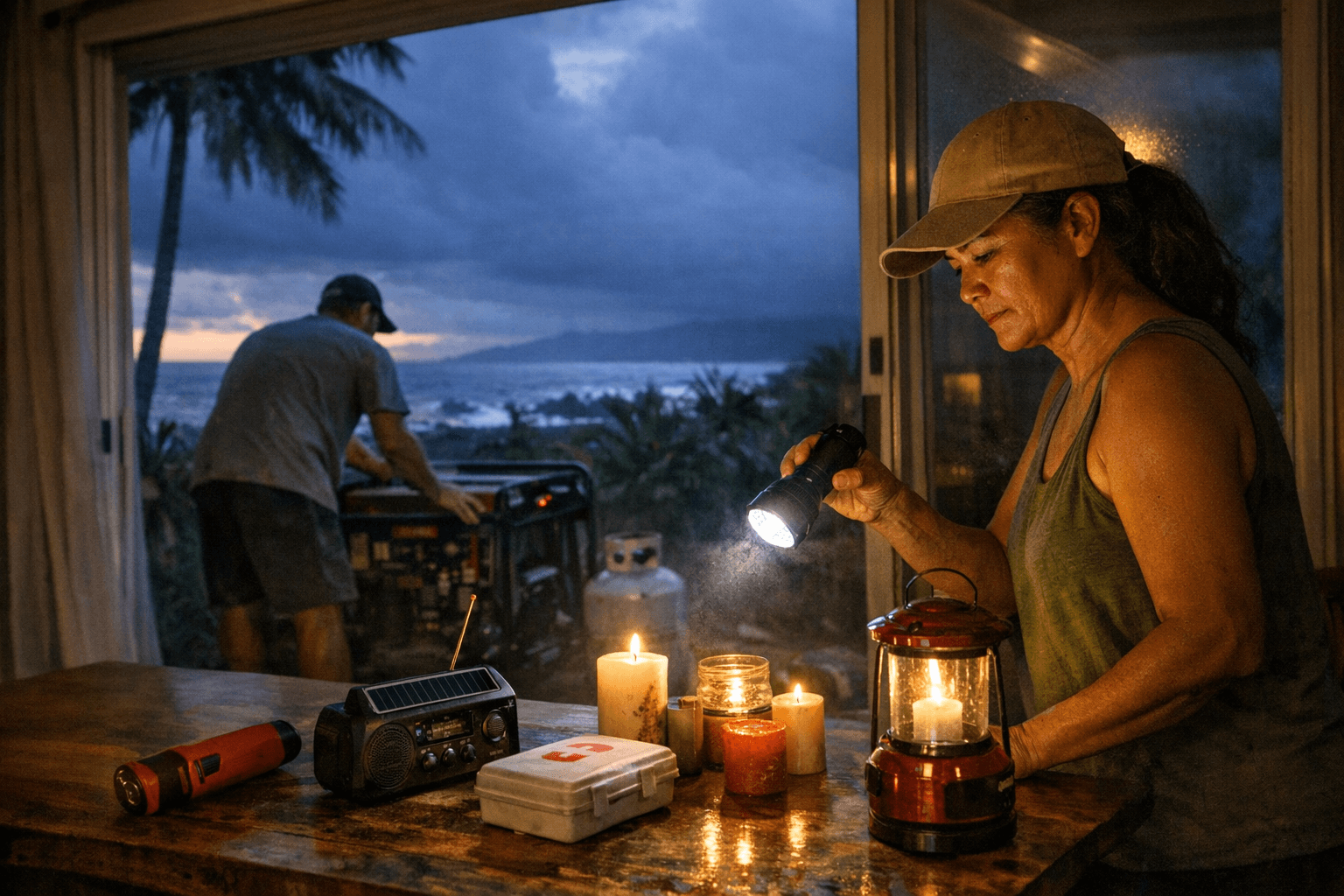
Refrigerators and freezers can maintain safe temperatures longer than most people expect: a full refrigerator holds its temperature for about four hours without power, while a full freezer can stay cold for up to 48 hours if the door remains closed. Keeping a refrigerator thermometer on hand lets you verify whether food remains safe once power is restored, since the USDA threshold for refrigerated food safety is 40 degrees Fahrenheit.
If you use a generator, placement is critical. Carbon monoxide poisoning from generators used indoors or in partially enclosed spaces is a documented cause of storm-related deaths. Generators must operate outside, at least 20 feet from any window, door, or vent, and should never be run in a garage, even with the garage door open. Hawaiian Electric also warns that connecting a generator directly to your home's wiring without a proper transfer switch creates a dangerous condition called backfeed, which can electrocute utility workers restoring power on your street.
Stay informed during an outage
Once power is out, your information lifeline shifts. A battery-powered or hand-crank weather radio tuned to NOAA Weather Radio becomes your most reliable source of updates, since it operates independently of cellular networks and internet service, both of which can degrade during major storm events. Hawaiʻi County Civil Defense issues updates through its website and social media channels, and registering for the county's emergency alert system ensures you receive notifications directly to your phone even when you cannot actively monitor news sources.
Hawaiian Electric's outage map, accessible from a charged mobile device with cellular data, shows real-time restoration estimates by area. Understanding how to read the map before an outage occurs makes it far more useful when you actually need it.
After the power returns
Restoration is not the end of the process. When power comes back on, give your home's electrical system a few minutes before reconnecting major appliances. Check your refrigerator and freezer temperatures, discard any perishables that reached unsafe temperatures, and inspect any food that may have partially thawed and refrozen. The rule of thumb from food safety authorities is straightforward: when in doubt, throw it out.
Take stock of what worked and what fell short in your preparation. Did your phone die before power was restored? Add a higher-capacity portable charger to your kit. Did you run out of ice? Consider investing in a quality cooler rated for multi-day insulation. Preparation is iterative, and each outage, even a brief one, reveals gaps worth addressing before the next one.
The Big Island's combination of active volcanic terrain, Pacific storm exposure, and remote geography means outages are not a matter of if but when. Treating preparation as a year-round habit rather than a pre-storm scramble is the most reliable way to protect your household, your appliances, and your peace of mind when the lights go out.
Know something we missed? Have a correction or additional information?
Submit a Tip