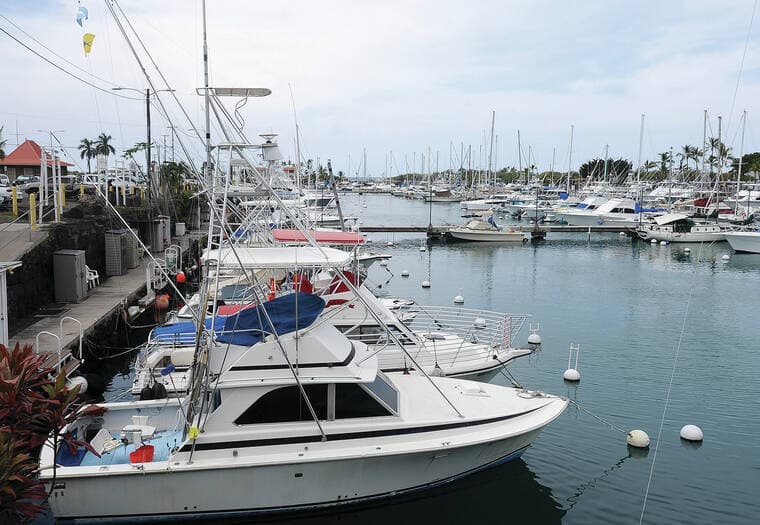
Big Island warned most shelters may not hold beyond Category 1 storms
Most Big Island shelters are last-resort refuge, not hurricane-proof protection. With season starting June 1, families need a backup plan before a major storm arrives.
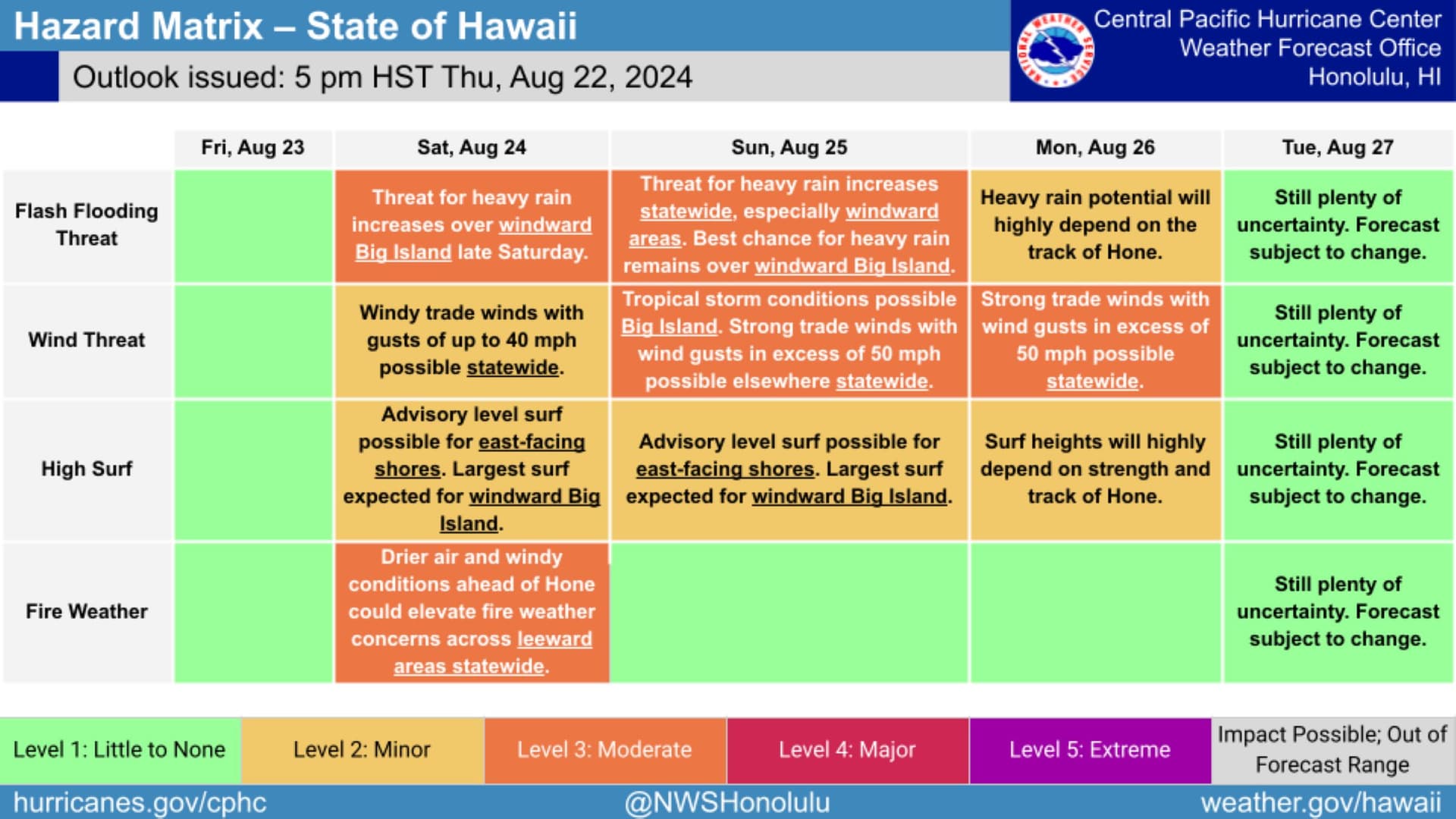
Most Big Island families should not assume the nearest shelter can take a major hurricane. State guidance says public hurricane and tropical-cyclone shelters are a last resort, and in almost all cases they were not designed or hardened for winds stronger than a severe tropical storm.
That gap matters as the Central Pacific hurricane season approaches June 1 and runs through November 30. Hawaii has recorded only two hurricane landfalls, Hurricane Dot in 1959 and Hurricane Iniki in 1992, both on Kauai, but Iniki showed how fast a Category 4 storm can turn into a mass-casualty disaster. It killed seven people, injured more than 100 and caused $1.8 billion in damage.
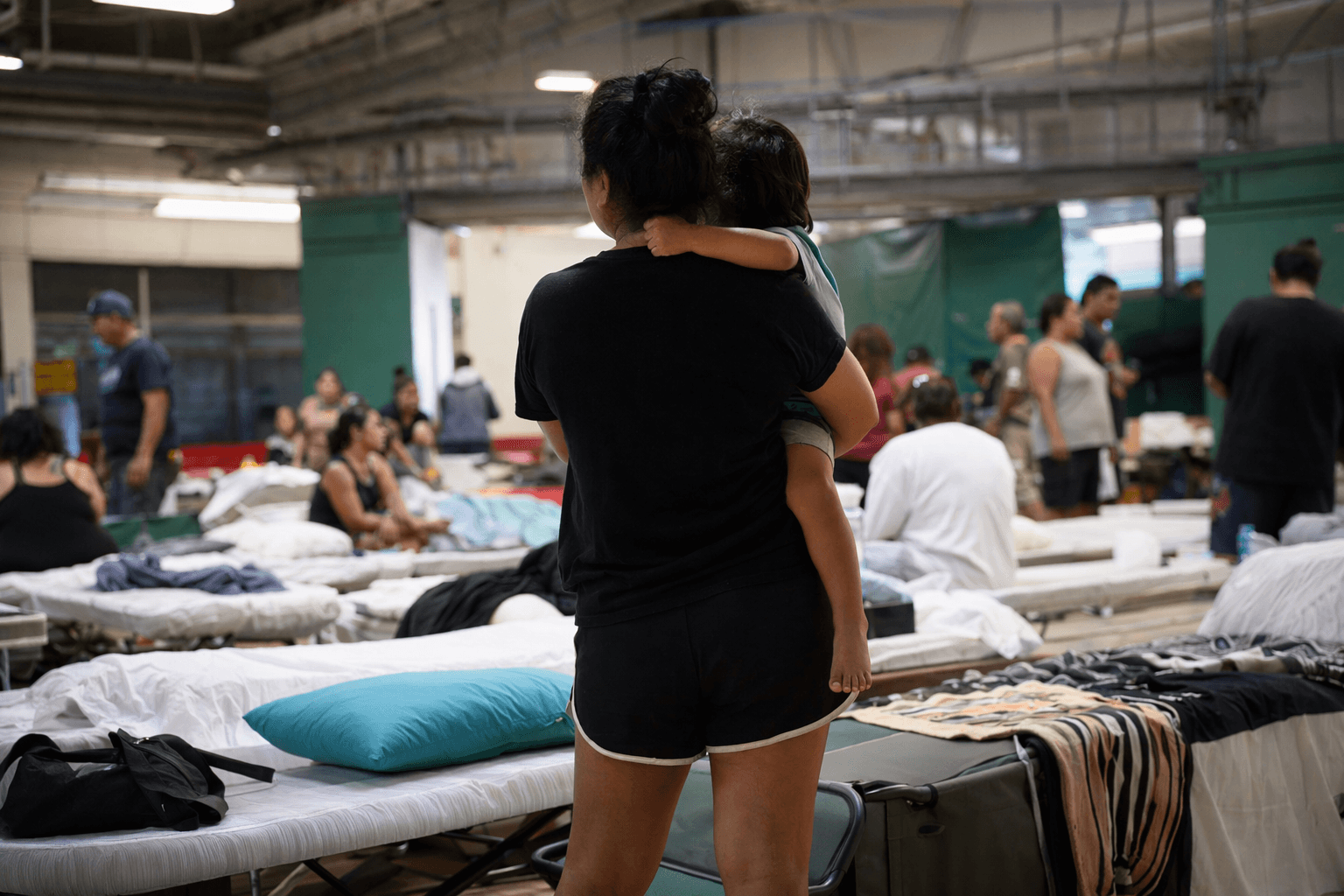
For Hawaii County, the warning is practical: shelter options are not the same as stormproof buildings. Hawaii Emergency Management Agency guidance says county evacuation shelters generally correspond to buildings built in 1994 or later, based on plans dated 1993 or later. County shelter notices have routinely directed residents to schools, community centers and gyms, with instructions to bring sleeping bags, food, water, medications and pet food. In at least one severe-weather notice, the county said shelters were pet friendly except for Waikoloa Elementary School.
The County of Hawaii’s Civil Defense Agency says its job is to direct and coordinate the county’s emergency preparedness and response program. That role is now under sharper scrutiny because House Concurrent Resolution 164 says no county currently provides a comprehensive government-run online list showing whether a shelter can withstand hurricane winds, how many people it can hold, whether pets are allowed and what accommodations exist for people with special needs. The resolution names Honolulu, Maui, Hawaii and Kauai counties and urges them to inventory shelters that can withstand Category 1 winds or higher and to work with Hawaii Emergency Management Agency.
That leaves Big Island households with a simple but urgent task before storm season: decide now where to go if an official shelter is open but not suitable for your family’s needs. Families with pets, medical equipment, mobility challenges or large households should not wait for a warning siren to learn a shelter’s limits. The safer plan is to identify a backup location, keep supplies packed and assume a public shelter may only offer temporary protection until conditions improve or an evacuation is ordered.
This article was produced by Prism’s automated news system from verified source data, official records, and press releases, then run through automated quality and moderation checks before publishing. The system is built and supervised by the people who set the standards it runs under. Read our full AI policy.
Did this article answer your question?