Breadfruit summit spotlights Hawai‘i Island’s food security future
South Kona is reviving the Kaluulu breadfruit belt as a food-security test case. The summit asks whether ulu can move from heritage crop to daily staple.

A single crop once fed one of Hawaii Island’s most productive farm belts, and the question now is whether it can do so again. This September’s Breadfruit Celebration 2026 and Global Breadfruit Summit will bring growers to Kailua-Kona and South Kona to examine whether ulu can become a real part of the Big Island’s food system, not just a symbol of it.
South Kona’s old breadfruit belt is the benchmark
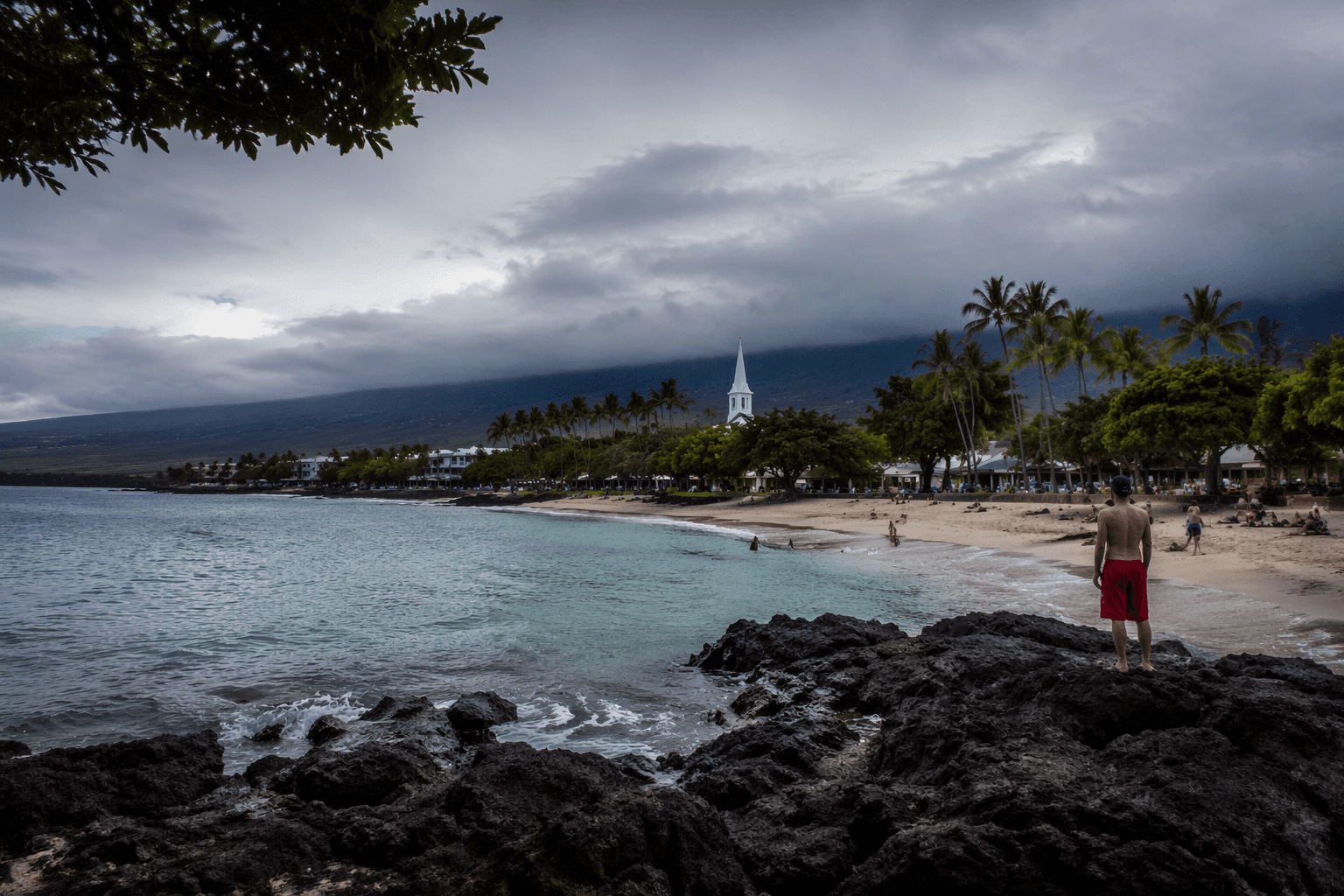
The setting matters. Event materials place the celebration in Kailua-Kona and South Kona from Sept. 19-24, 2026, with the Global Breadfruit Summit scheduled for Sept. 22-24 and the week centered on the historic Kaluulu breadfruit belt. Those materials describe the belt as nearly 10 contiguous square miles of breadfruit country that once produced 35 million pounds of breadfruit a year.
That historical number gives the summit its practical edge. If breadfruit could once be produced at that scale in South Kona, the island is not starting from zero, it is rebuilding a system that already existed on local land with local climate and local knowledge. Dana Shapiro, co-founder and CEO of the Hawaii Ulu Cooperative, says the location is meant to draw attention to the abundance and regenerative food systems that existed on Hawaii Island not so long ago, and to show that food security can be rebuilt around crops that are resilient, locally adapted and culturally rooted.
Why ulu fits the food-security math
Breadfruit stands out because it is a tree crop, not an annual that has to be replanted every season. CTAHR materials describe it as a long-lived tropical tree in the fig family that can grow to nearly 90 feet tall, and the crop has been used in Hawaii for centuries. A CTAHR breadfruit guide says ulu trees can remain fruitful for more than 30 years under proper care, and Pacific Crops materials say mature plantings can yield about 14,000 pounds per acre.
Those numbers matter in an island economy that still leans heavily on imports. State food-security planning says replacing just 10% of Hawaii’s imported food would keep about $313 million in the state, while a state food-sourcing dashboard cites an estimated 88.4% import dependency for available food. University of Hawaii materials add another layer of risk: Hawaii sits about 2,506 miles from the continental United States, so every shipping delay, fuel spike or supply-chain disruption has an outsized effect here.
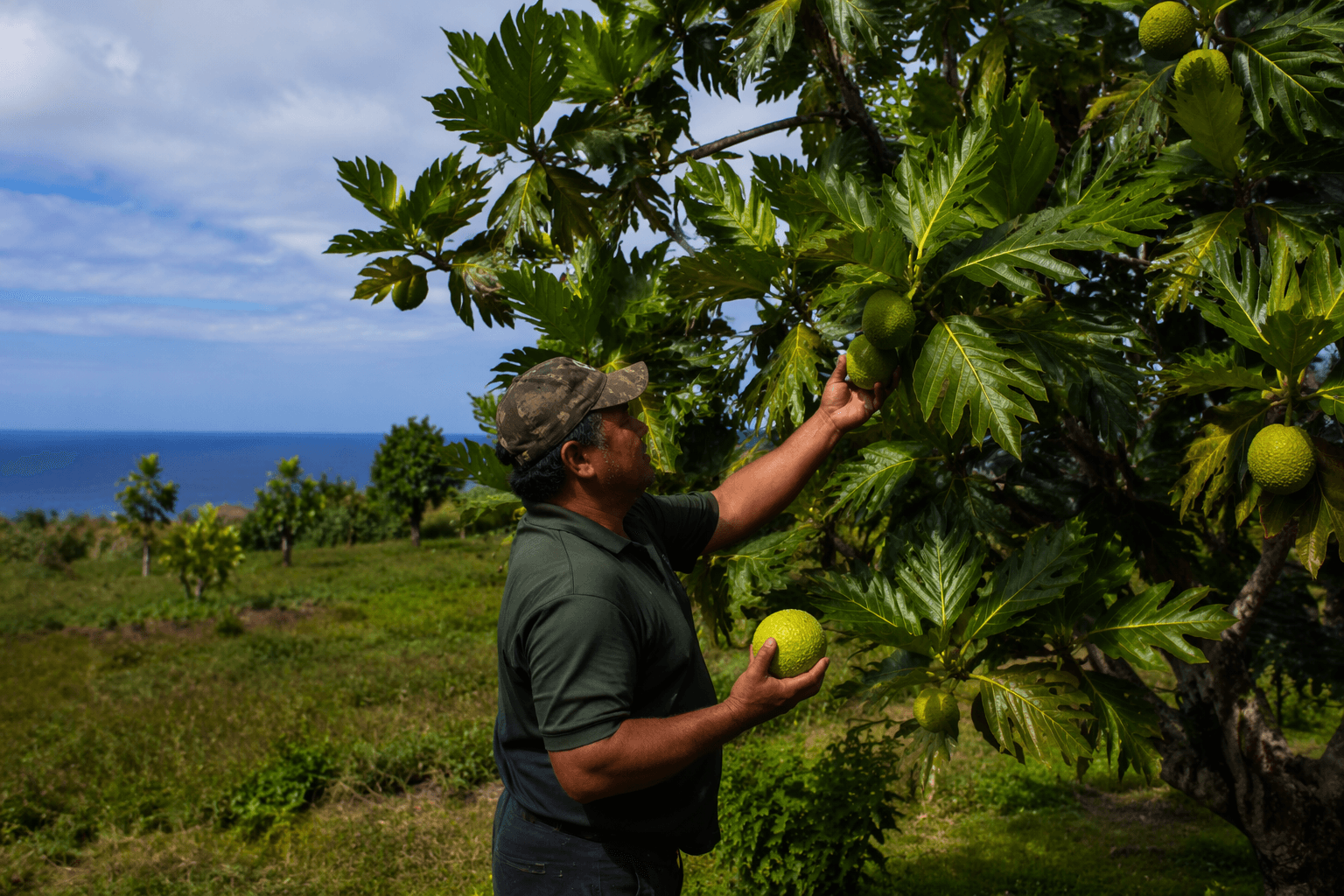
That is why the conversation is about more than fruit. Hawaii’s state researchers say an island needs to grow at least 50% of its staple crops, including kalo, ulu and uala, to be self-sufficient in a disaster. With rice still nearly entirely imported and staple foods exposed to global shocks, ulu is being framed as one of the few crops that can help close the gap between what the island eats and what it grows.
How much food the old system could produce
The historical Kaluulu belt shows how large the opportunity could be. If nearly 10 square miles were planted, that is roughly 6,400 acres. Using the 14,000-pound-per-acre estimate from Pacific Crops, a fully mature belt of that size could theoretically produce close to 90 million pounds of breadfruit a year.
That is a simple arithmetic projection, not a current harvest figure, but it helps explain why the summit is drawing attention. The historical figure attached to the belt, 35 million pounds annually, already points to a scale far beyond a niche specialty crop. For Big Island planners, the key question is not whether ulu can grow here, but whether production can again be organized at a volume that affects local markets, emergency planning and institutional buying.
What has to change for breadfruit to become everyday food
The crop has advantages, but it is not a quick fix. Trees have to be planted once and then maintained for years before they become part of a reliable food supply, and that means the payoff is slow compared with annual crops. To move from demonstration plots and specialty sales to an everyday staple, Hawaii Island would need enough acreage in production, enough buyers willing to commit, and enough distribution capacity to move fruit from farms to kitchens at a steady pace.
The broader policy direction is already pointing that way. A draft Hawaii food and agricultural inter-agency coordination framework sets a goal of making 50% of foods in key state institutions local by 2050. That kind of target creates a market signal for growers, but it also highlights the distance between present reality and the desired future: a state that imports most of its food still has to build the logistics, processing and purchasing systems that let local crops compete at scale.
The Hawaii Ulu Cooperative shows how far that work has already come. The co-op says it was formed in 2016 with nine small, diversified growers on Hawaii Island and has grown to more than 150 member-farms on four islands, making it the state’s foremost breadfruit farmer organization. That growth suggests that the supply side is no longer a curiosity, but it also shows why the next step is harder: turning a growing farm network into dependable volumes for Big Island households, food retailers and public buyers.
Why this summit matters beyond one week in South Kona
The Breadfruit Celebration is more than a festival calendar item because it links land, climate and purchasing power in one place. South Kona is where the old system flourished, and the summit is where growers, buyers and food-system planners can measure what it would take to restore it. Hawaii Island does not need another abstract resilience slogan; it needs more locally grown calories, fewer imported staples and crop systems that can survive drought, storms and shipping disruption.
Ulu cannot solve food insecurity by itself, but the numbers behind it are large enough to matter. A crop that once helped define South Kona still has the potential to do the same for the island’s future, if the acreage, infrastructure and contracts finally catch up with the ambition.
This article was produced by Prism’s automated news system from verified source data, official records, and press releases, then run through automated quality and moderation checks before publishing. The system is built and supervised by the people who set the standards it runs under. Read our full AI policy.
Did this article answer your question?