Building Industry Association warns Kona flood victims to vet contractors carefully
Flood-hit Kona families face a new risk: unlicensed contractors pressing for fast rebuild jobs while damage tops $59 million on Hawaii Island.
Families already dealing with flood-soaked walls, hidden mold and gutted rooms on Hawaii Island are now facing another costly hazard: contractor scams. The Building Industry Association of Hawaii and state regulators warned Kona Low victims to check licenses carefully before signing anything, as rebuilding pressure rises across the island.
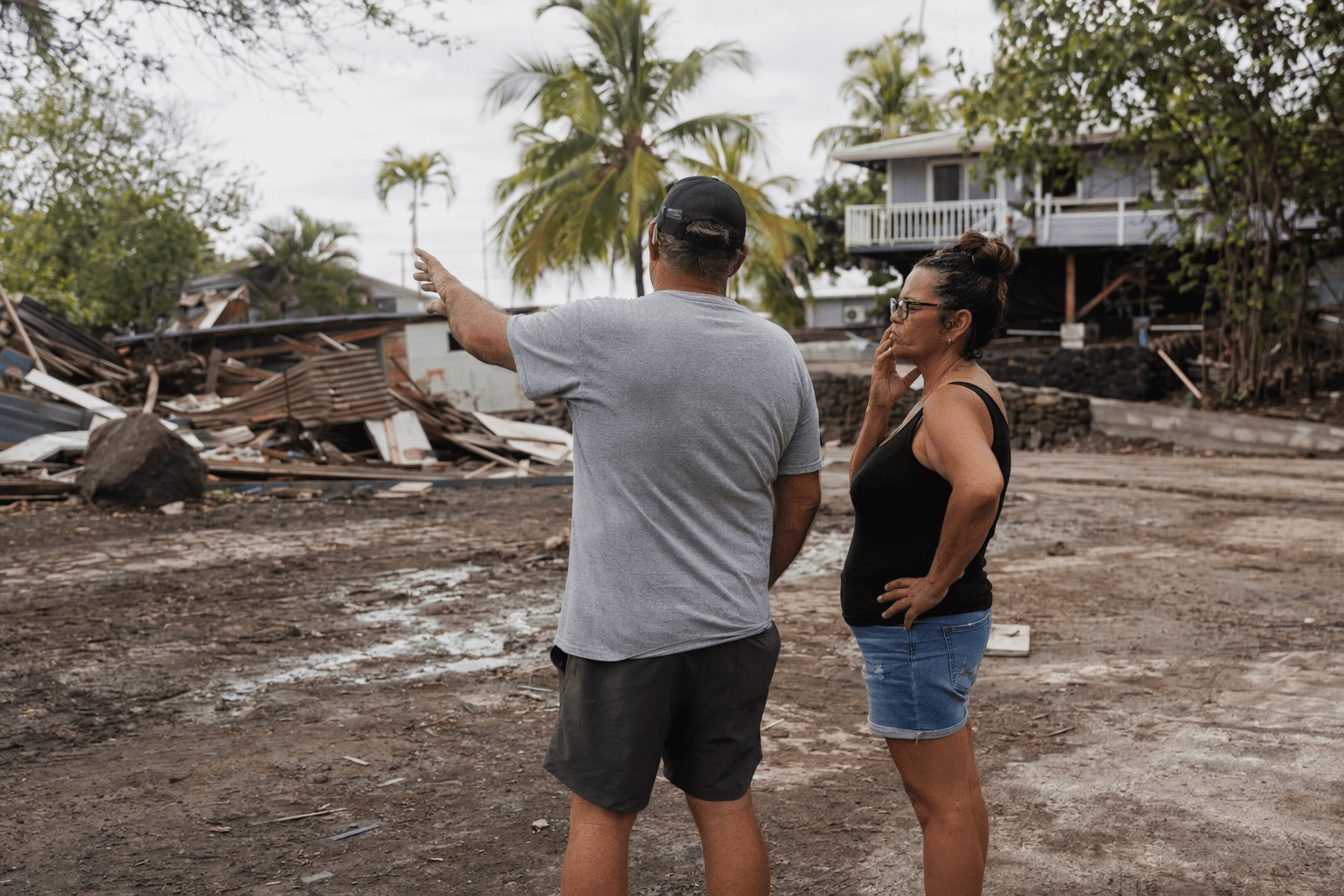
The warning came after the March 10 to 24, 2026 Kona Low flooding damaged homes, roads and other infrastructure across multiple counties and pushed Hawaii into an active recovery phase. On Hawaii Island alone, officials estimated about $29 million in residential and commercial property damage, based on 377 residential damage reports and 76 commercial damage reports reviewed so far. County road, asset and response costs were estimated at a minimum of $30 million, bringing the island’s combined damage estimate to more than $59 million.
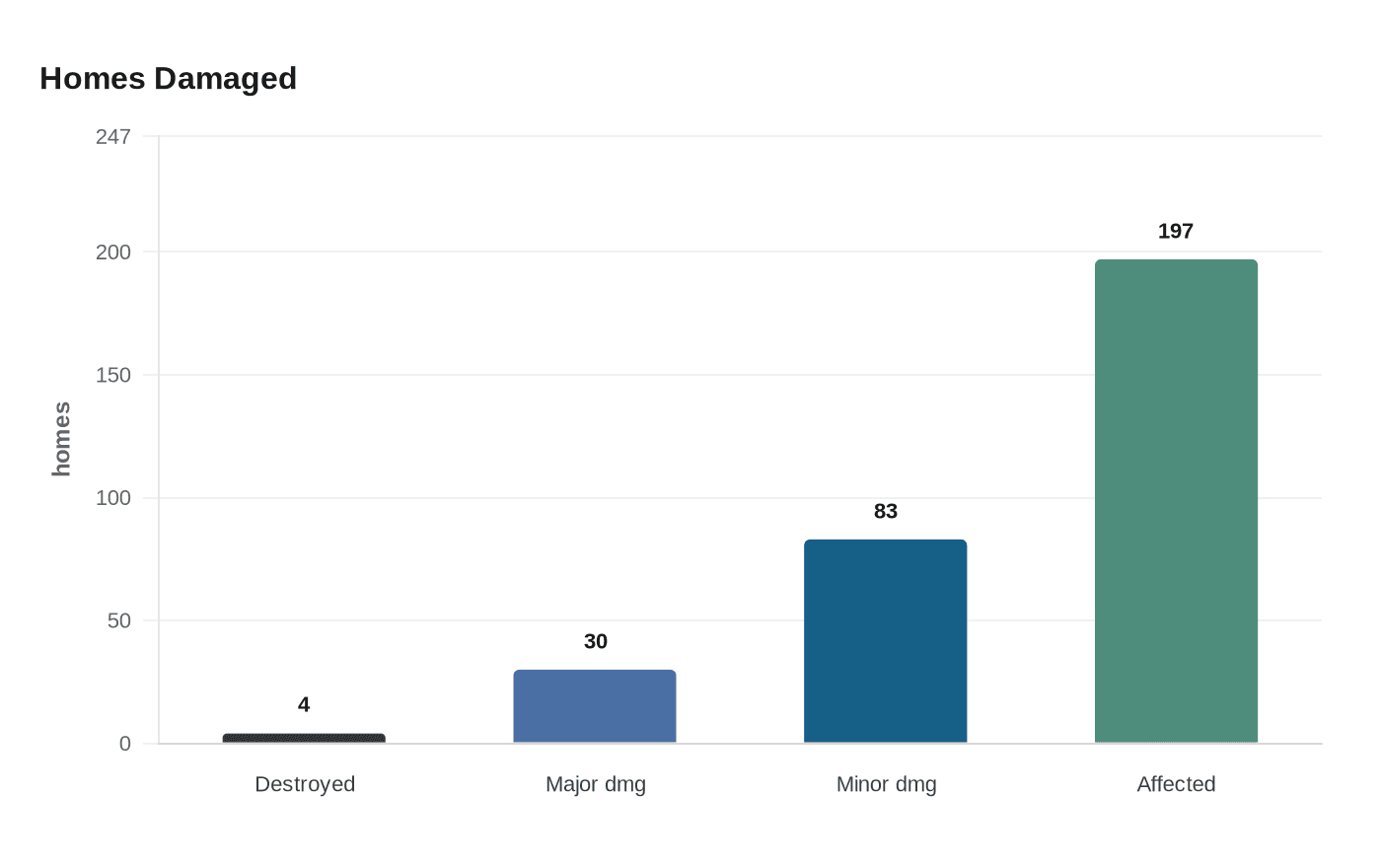
Officials said four homes were destroyed, 30 suffered major damage, 83 had minor damage and 197 were affected. With that much work to do, the state Department of Commerce and Consumer Affairs said homeowners are especially exposed to opportunistic, unlicensed contractors who may use door-to-door pressure tactics. The agency said it receives hundreds of tips and complaints each year about unlicensed contractors.
The first step is simple: verify the contractor’s license through the state’s Business Check or public license-search tools before any money changes hands. A license is required for projects exceeding $1,500 in labor and materials, or for any job that needs a building, electrical or plumbing permit. DCCA said licensed contractors can obtain and sign permits and generally carry workers’ compensation and liability insurance, protections that can matter if a repair job fails later.
That matters because hiring the wrong person can become an insurance problem as well as a construction problem. State officials said insurance adjusters assess damage, but they do not do repairs, and faulty work by an unlicensed contractor can jeopardize a homeowner’s insurance coverage if a claim arises later.
For those who already hired a licensed contractor and later run into trouble, Hawaii’s Contractors Recovery Fund may provide help. But the fund applies only if the contractor was currently and actively licensed, and its limits are capped at $12,500 per contract and $25,000 per contractor. That makes upfront verification far cheaper than paying to fix botched work twice.
The pressure is highest in neighborhoods still recovering from the storm, with local recovery centers operating in Kealakekua, Keaau and later Nā‘ālehu in Kau. Federal disaster aid for Hawaii was approved in early April 2026, but for many Big Island households the rebuild is just beginning, and so is the risk of getting fooled.
This article was produced by Prism’s automated news system from verified source data, official records, and press releases, then run through automated quality and moderation checks before publishing. The system is built and supervised by the people who set the standards it runs under. Read our full AI policy.
Did this article answer your question?