Ellison Onizuka Science Day returns to UH Hilo to inspire keiki
The 21st Astronaut Ellison Onizuka Science Day will be held at UH Hilo on Jan. 24, 2026, offering free, family-friendly STEM activities and exhibits. Local students gain hands-on exposure to space and science careers.
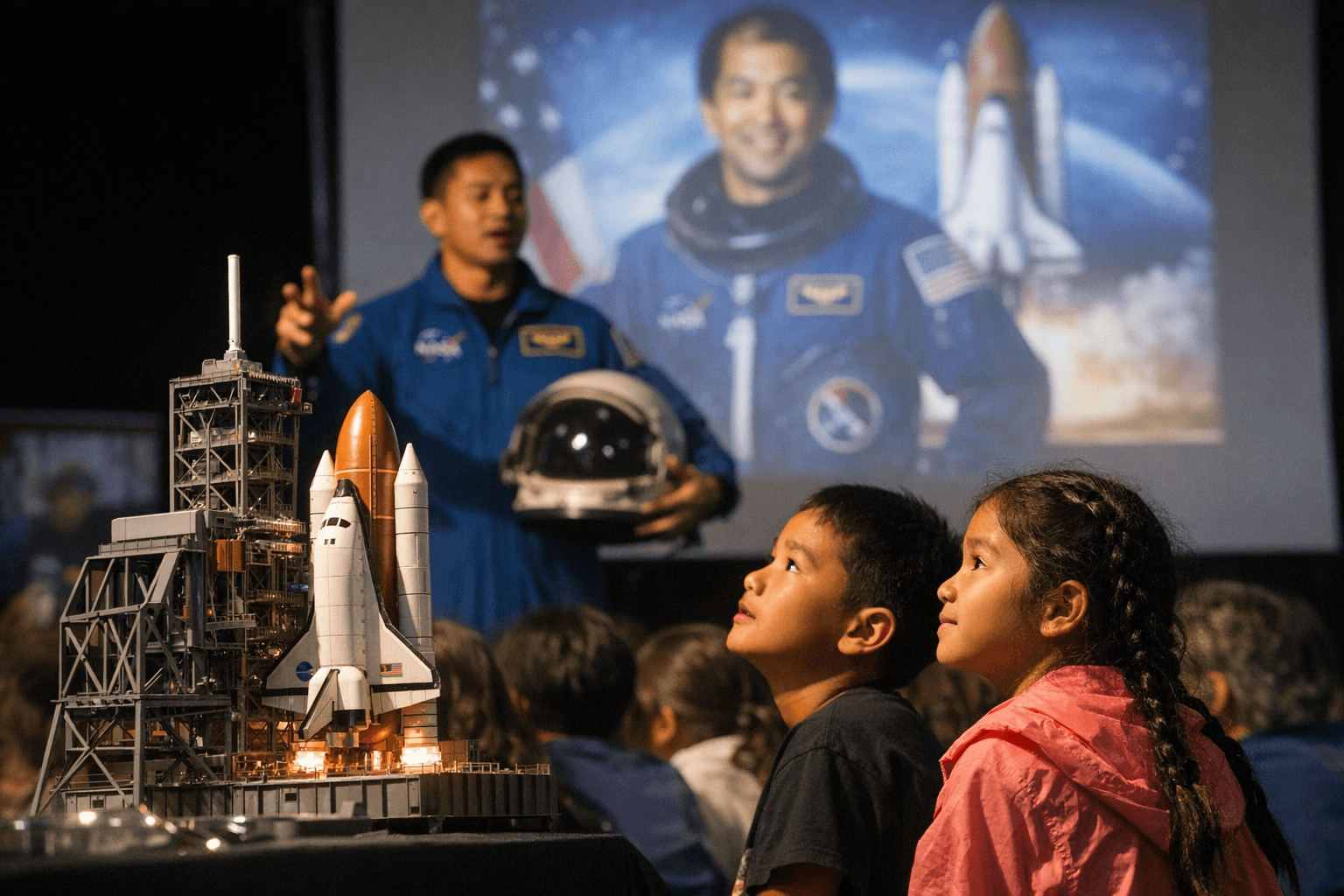
The 21st Astronaut Ellison Onizuka Science Day will return to the University of Hawaiʻi at Hilo on Saturday, Jan. 24, 2026, reviving a community tradition that showcases Hawaiʻi’s first astronaut and promotes STEM education across the island. The free event will run roughly 7:45 a.m. to 2:30 p.m. and is designed to engage keiki and families through hands-on activities, demonstrations, exhibits and presentations.
Organizers include UH Hilo’s Pacific International Space Center for Exploration Systems (PISCES), the Onizuka family and the Onizuka Memorial Foundation, the Hawaiʻi Science & Technology Museum, and partners such as the Canada-France-Hawaiʻi Telescope. Returning after a pandemic hiatus, the event emphasizes access and inspiration, seeking to remove cost barriers and connect students with local science resources and professionals.
The program’s centerpiece is outreach: interactive projects and live demonstrations that translate space and engineering concepts into tangible experiences for younger learners. For a community with active astronomy infrastructure and a strong island interest in Maunakea observatories, partnerships with organizations like the Canada-France-Hawaiʻi Telescope create direct pathways from classroom curiosity to career possibilities in astronomy, engineering and technical trades.
Beyond immediate engagement, the event has broader economic and workforce implications. Early exposure to STEM increases the likelihood that students will pursue technical education, which over time supports local demand for skilled workers in fields such as telescope operations, environmental monitoring and aerospace-related research. Hosting the event at UH Hilo also reinforces the university’s role as a regional hub for workforce development and community science literacy.
For families, the day offers a low-cost way to explore science options and learn about educational resources available on island. For educators and policymakers, the event is a reminder that sustained investment in outreach and school-university partnerships can strengthen the local talent pipeline and help retain young people who might otherwise leave for opportunities off-island.
The event’s return signals a recovery of in-person learning experiences that were curtailed during the pandemic and underscores the value of community-based STEM programming. It also highlights the importance of keeping such events accessible so that island students from diverse backgrounds can see themselves in scientific careers.
The takeaway? Bring the keiki, plan to arrive early and treat the day as a low-cost career fair for curious minds, it's a practical chance to connect interest with opportunity and keep Hawaiʻi-grown talent working in our local science and tech economy.
Know something we missed? Have a correction or additional information?
Submit a Tip