Goodwill Hawaii Offers $60,000 in Vouchers to Kona Storm Victims
Goodwill Hawaii committed $60,000 in emergency vouchers for March storm victims, offering $100 per person or up to $300 per family for clothing and household goods.
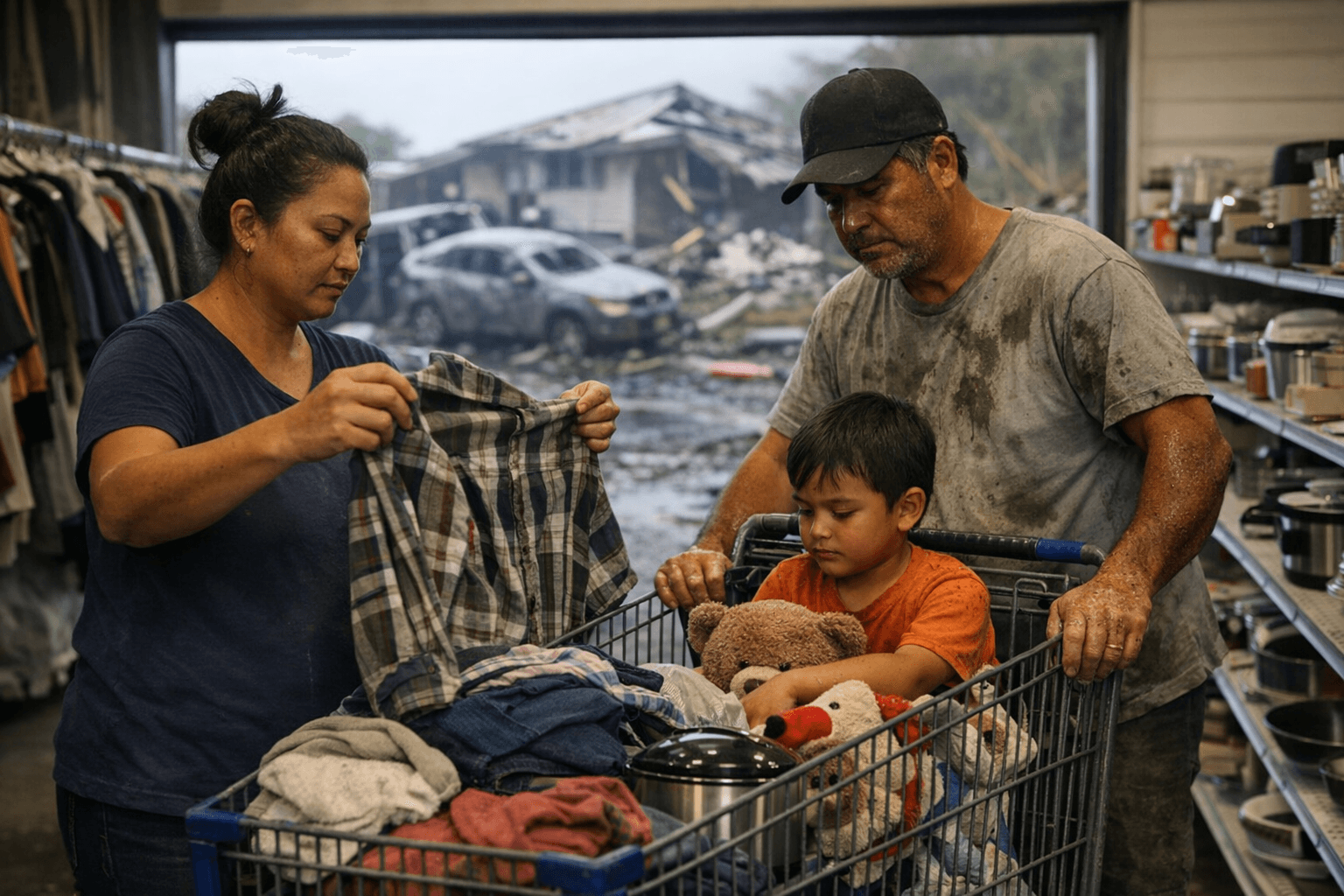
Goodwill Hawaii announced a $60,000 emergency voucher program for Big Island households still recovering from two destructive Kona low storms in March, offering one-time grants of $100 per individual or up to $300 per family redeemable for clothing and household goods at Goodwill stores statewide.
The program targets a specific gap in storm recovery: clothing, linens and kitchenware that families lose in flooding but that rarely qualify for formal insurance reimbursement. Vouchers are valid through the end of 2026, giving affected households several months to access replacements as they work through longer rebuilding timelines.
Big Island residents can register at the Goodwill Hawaii Kona Human Services Office. Documentation requirements and distribution hours are subject to change; Goodwill directed residents to verify the latest schedule on its website or through local media before visiting.
The storms that prompted the program struck in back-to-back waves during March, bringing heavy rainfall, damaging winds and widespread flooding across multiple islands. On the Big Island, the damage extended to homes, farms and small businesses along the Kona coast, along with broader infrastructure impacts. Multiple nonprofits and government agencies have mobilized in response, but many households with moderate damage fall outside the thresholds for larger state and federal programs, leaving recovery gaps that community organizations are positioned to fill.
The $60,000 commitment is modest against the full scale of storm losses, but Goodwill's voucher model carries practical efficiency: it converts existing retail inventory and ongoing donation flows directly into goods displaced families need, without requiring lengthy benefit applications or cash transfers. As the Big Island moves from immediate disaster response toward longer-term rebuilding, programs targeting specific household needs represent a critical layer of the recovery infrastructure.
This article was produced by Prism’s automated news system from verified source data, official records, and press releases, then run through automated quality and moderation checks before publishing. The system is built and supervised by the people who set the standards it runs under. Read our full AI policy.
Did this article answer your question?