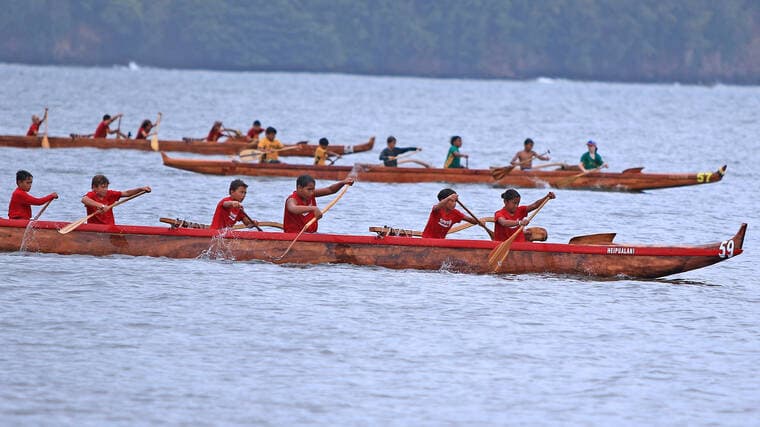
Hakalau Forest endowment nears goal for native habitat restoration
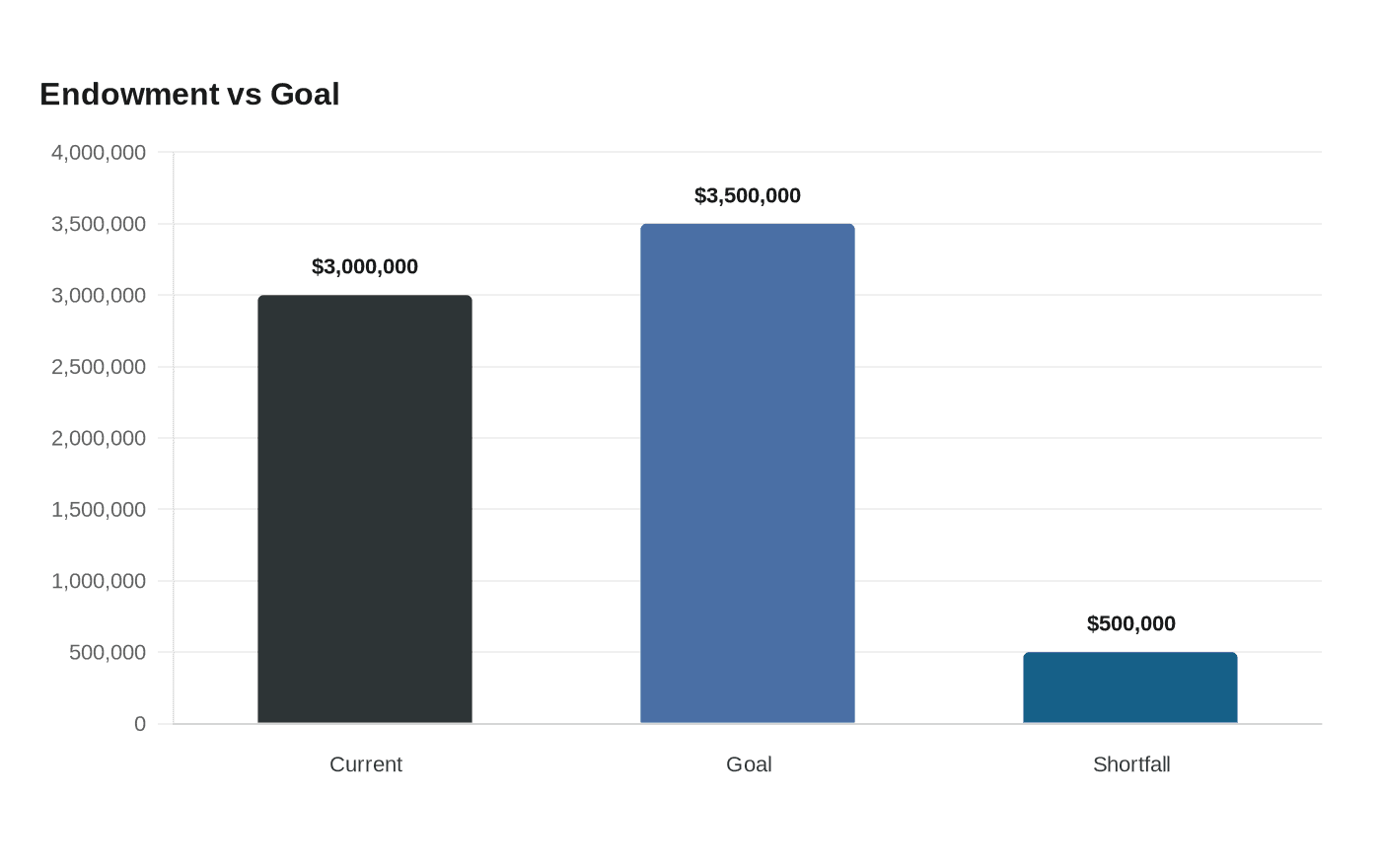
The alawī’s decline is a warning for Hakalau Forest, where a $3.5 million endowment is still about $500,000 short.
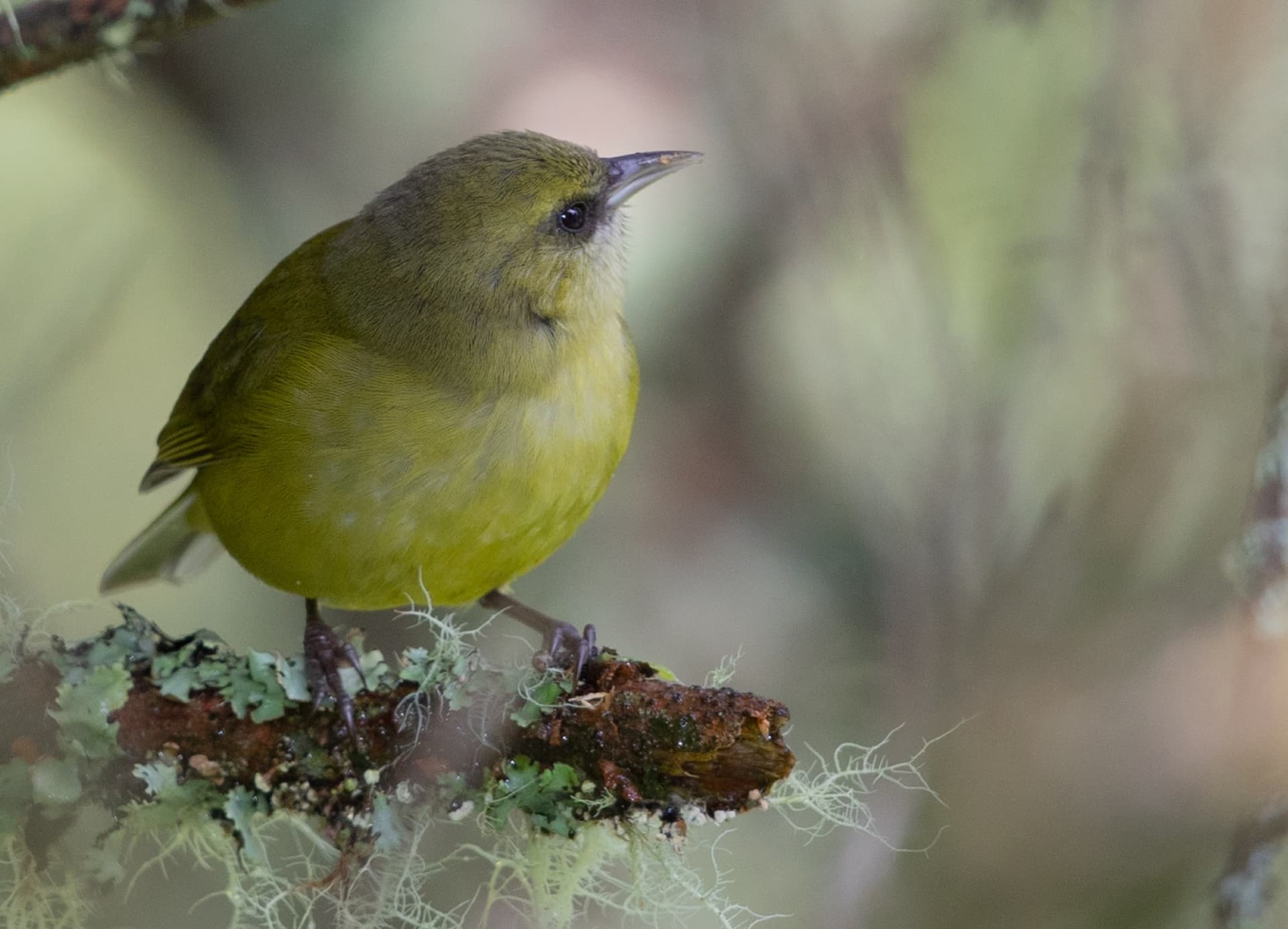
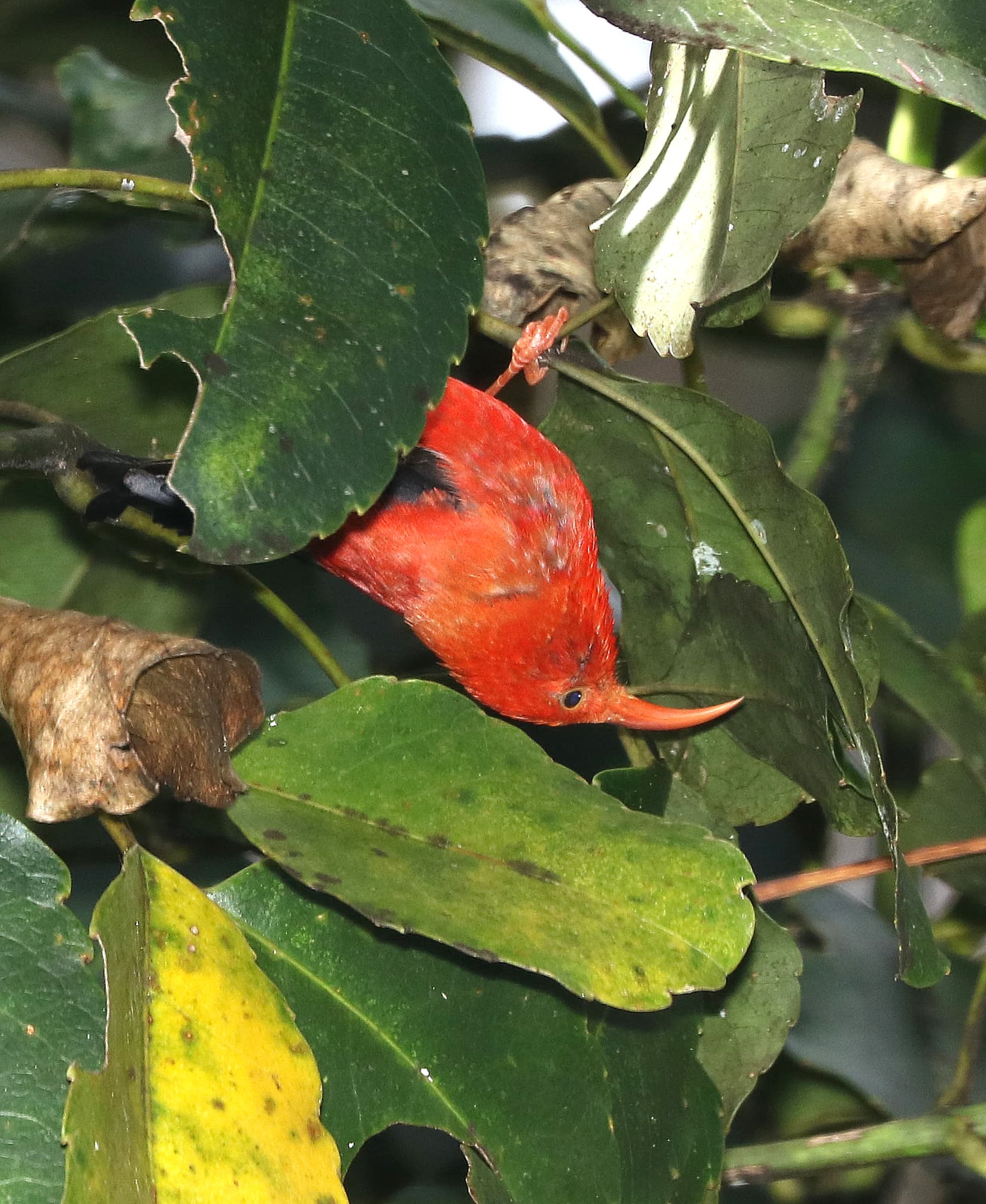
The shrinking fortunes of the alawī, the Hawaii creeper, point to the larger strain on Hakalau Forest’s native habitat. Friends of Hakalau Forest National Wildlife Refuge is trying to lock in long-term money for the island’s wet uplands, with an endowment that is now close to $3 million but still about $500,000 shy of its $3.5 million goal.
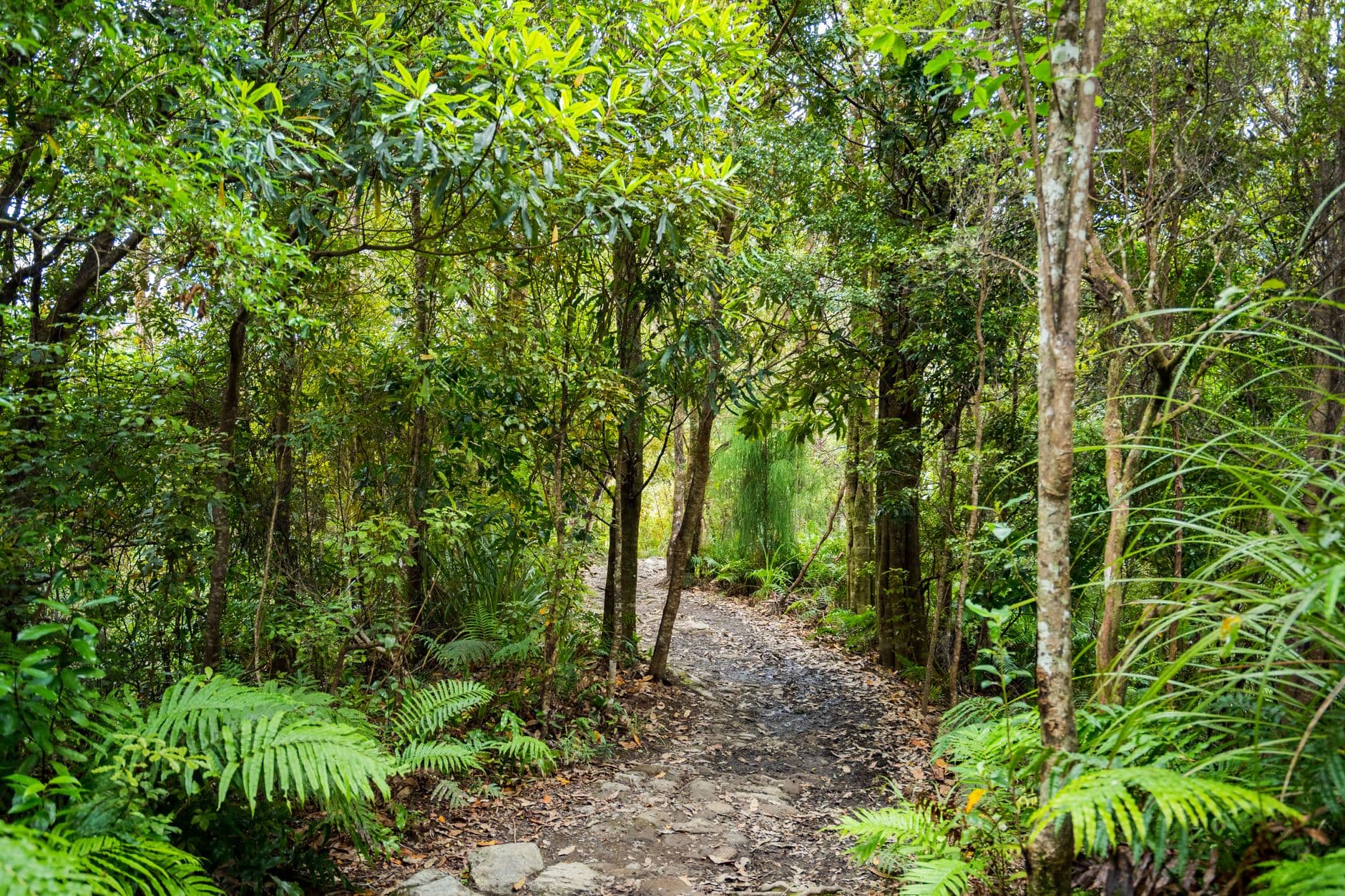
That funding gap matters because the refuge’s recovery work is not a one-time project. Hakalau Forest National Wildlife Refuge, established in 1985 on the windward slopes of Mauna Kea, covers more than 32,700 acres of montane rainforest and was later expanded in 1997 with the creation of the Kona Forest Unit on the western slopes of Mauna Loa. The refuge is currently closed to self-guided activity because of Rapid Ōhia Death, underscoring how vulnerable the system remains to disease as well as to feral pigs, cattle, rats and invasive weeds.
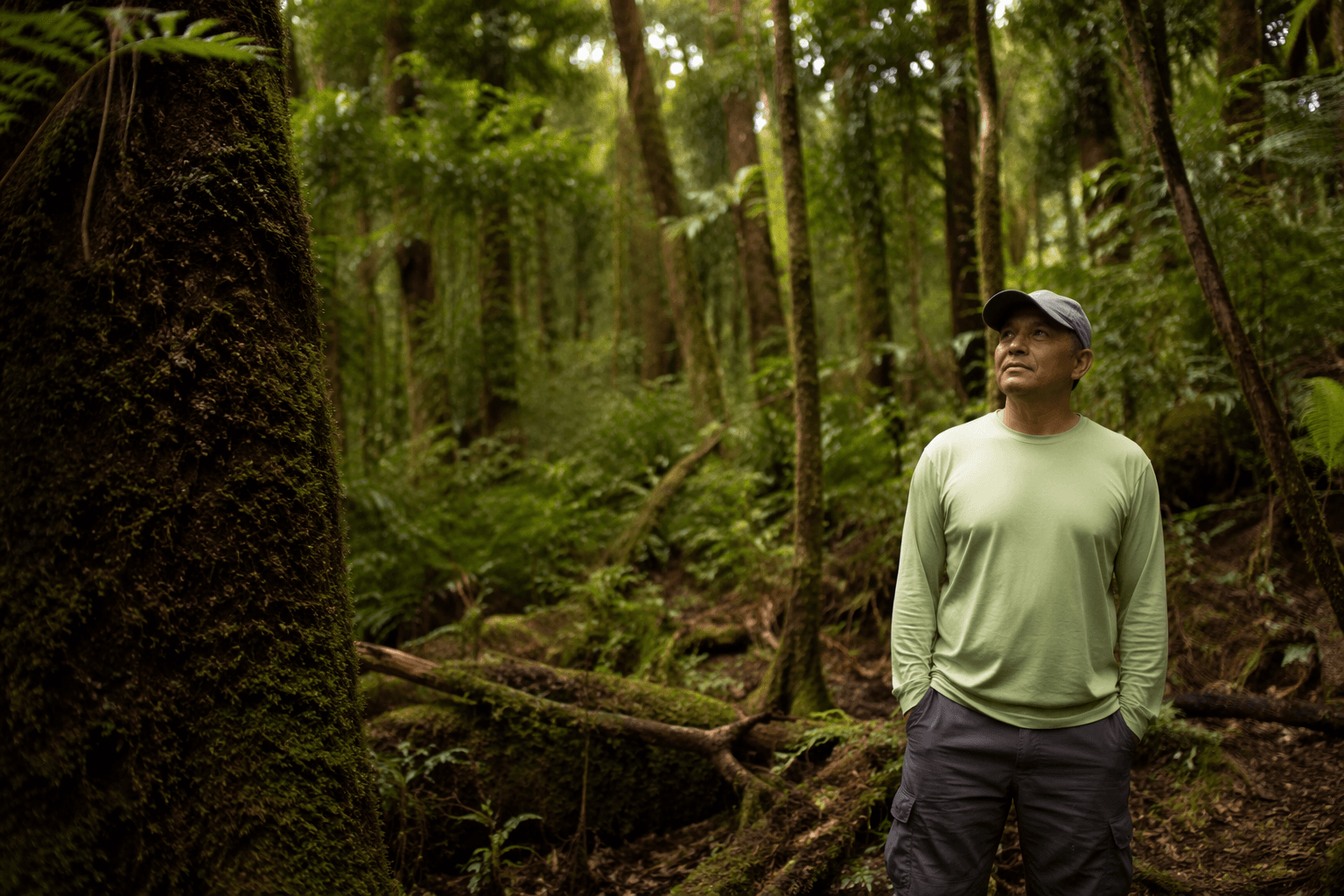
Friends of Hakalau says the endowment is meant to pay for the steady work needed to keep the forest functioning, including habitat protection, invasive-species control and bird recovery. The nonprofit says that in the 39 years since the refuge was established, more than 600,000 native plant seedlings have been planted on more than 5,000 acres of former pasture. That work has helped push birds back into restored areas, but it depends on reliable financing rather than sporadic fundraising bursts.
The alawī gives the campaign its urgency. The bird is federally listed as endangered and state listed as endangered, and BirdLife International describes its population trend as decreasing. In Hakalau, it is part of a smaller but still fragile community that also includes the akiapōlāau, Hawaii akepa, four endangered or threatened Hawaiian forest birds, and the threatened nēnē. A Sierra Club profile has described Hakalau as the first national wildlife refuge to encompass rainforest and the first set aside for native forest birds, a distinction that reflects how much of Hawaii Island’s biological future is tied to this one landscape.
For Hawaii Island, the campaign is about more than one bird. Hakalau’s forests support biodiversity, water and a native ecosystem that still needs fencing, weed control, ungulate management and reforestation to hold the line. If the endowment reaches its goal, it will give the refuge a steadier base for that work. If it falls short, the island risks asking one of its most important conservation sites to do too much with too little.
This article was produced by Prism’s automated news system from verified source data, official records, and press releases, then run through automated quality and moderation checks before publishing. The system is built and supervised by the people who set the standards it runs under. Read our full AI policy.
Did this article answer your question?