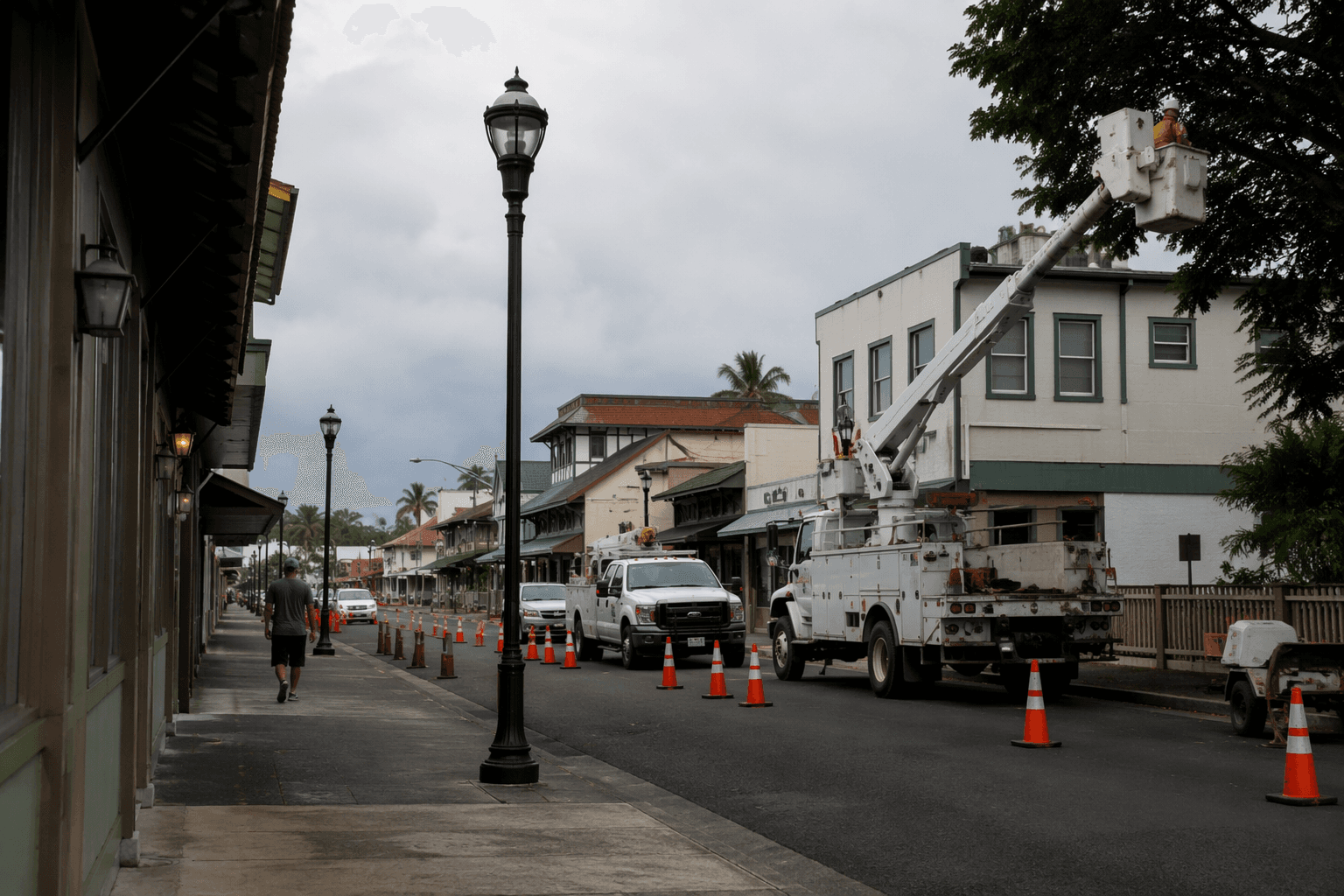
Hawaii County auditor updates council on oversight progress and audit backlog
Hawaii County’s auditor briefed council on July 23 as audit backlog and oversight stayed in focus. Heather Kimball and Rebecca Villegas were in the committee setting.

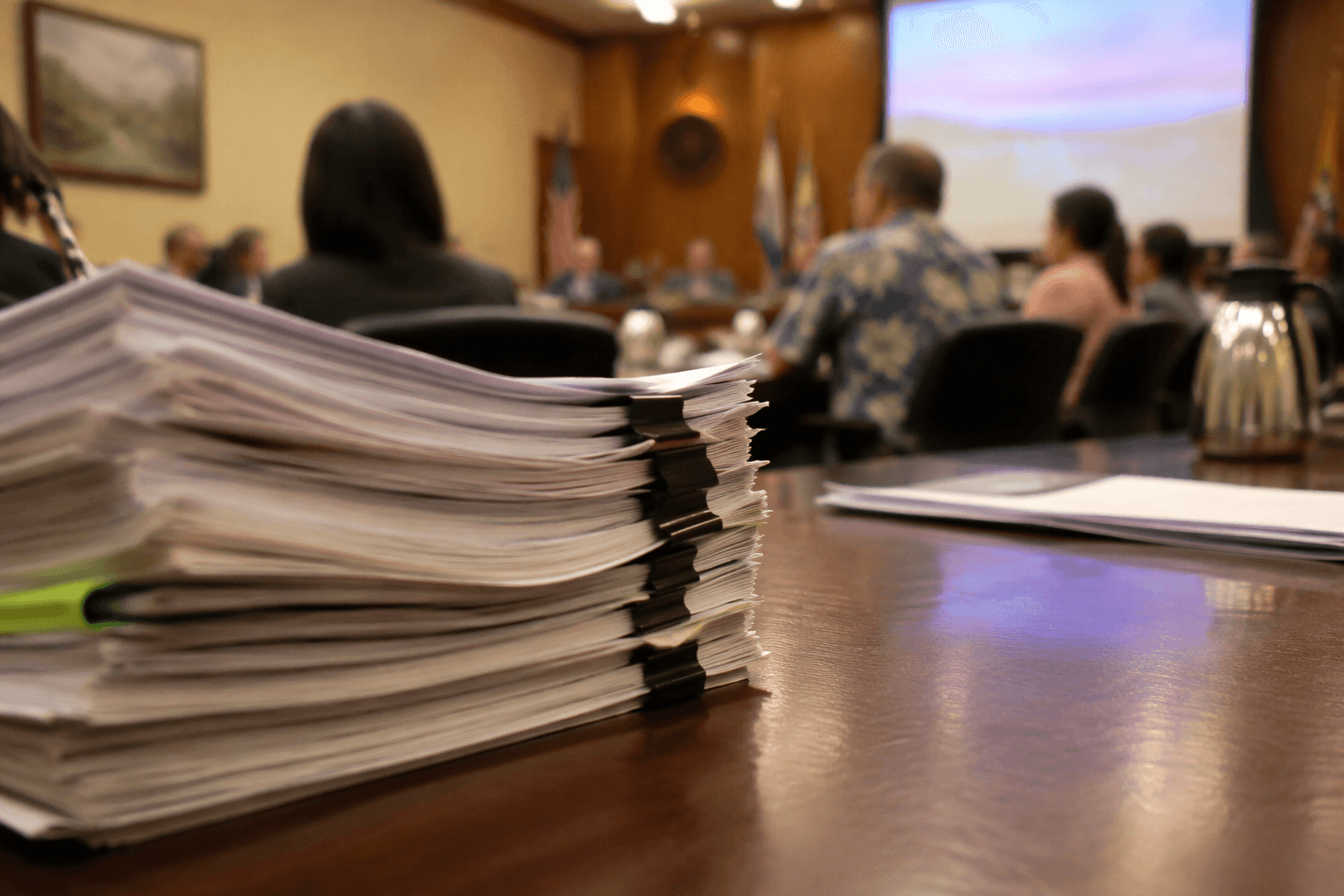
Hawaii County’s auditor returned to a County Council committee July 23 with an update on oversight progress and the office’s audit backlog, a hearing that keeps pressure on how county departments handle taxpayer money. Images tied to the meeting identified Council members Heather Kimball and Rebecca Villegas, placing the discussion squarely in the county’s public oversight process.
The county auditor’s work matters because it is one of the main ways residents can see whether departments are being held to standards, whether complaints are followed up, and whether public money is being monitored carefully. The State of Hawaii Office of the Auditor says its post-audits cover the transactions, accounts, programs and performance of state departments, offices, agencies and political subdivisions, which is the broader framework behind the county’s own watchdog function.
Hawaii County’s audit reports page says the Office of the County Auditor publishes annual reports, including the fiscal year July 1, 2023 to June 30, 2024 report. That kind of filing gives the public a formal record of findings and follow-up, especially when earlier recommendations still need work or when a backlog slows the pace of review.
Residents can track that work through the County Council’s public meeting system, which includes agendas, actions taken, livestreams and archives for council and committee meetings. The county’s Granicus archive organizes meetings by date and lets viewers open video, agenda documents or minutes directly, making it easier to revisit how a committee handled a specific oversight issue or to see whether an agency answered questions about an audit finding.
That access gives the council leverage as well. Through committee hearings, public testimony and archived meeting records, members can press the auditor’s office and county departments to show what has been fixed, what remains unresolved and how quickly corrective action is moving. For taxpayers, the practical question is whether audit findings lead to changes inside county operations, from purchasing and grants to public works and permitting, or whether the same weaknesses continue to surface in the next round of reports.
This article was produced by Prism’s automated news system from verified source data, official records, and press releases, then run through automated quality and moderation checks before publishing. The system is built and supervised by the people who set the standards it runs under. Read our full AI policy.
Did this article answer your question?