Hawaii Island Seed Bank Safeguards Native Plants Against Climate Threats
Millions of seeds sit in a solar-powered bank on Hawaii Island, ready to help farms, forests and backyards recover after drought, fire or storm damage.
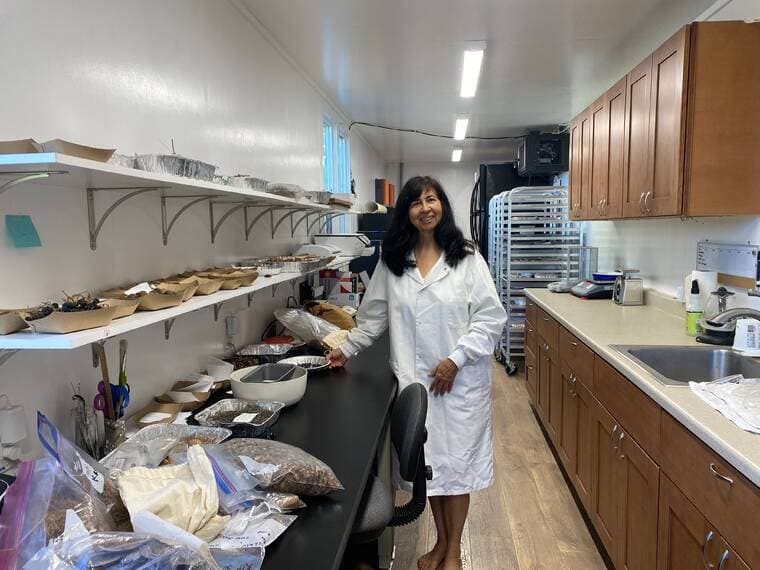
Just north of Kailua-Kona, a solar-powered, off-grid container on Hawaii Island is holding millions of seeds as a quiet backstop for the island’s food supply, native forests and home gardens when drought, wildfire, storms or crop loss hit.
The Hawaii Island Seed Bank is not a symbolic conservation project. It is an active piece of local infrastructure built to store native Hawaiian species and agricultural crops, then make those seeds available again when land needs to be restored or replanted. For a county where supply-chain shocks, longer dry spells and more intense weather can quickly become farm problems, the bank functions like a reserve that can be tapped when regular systems fail.
A backup for the island’s plant life
The public seed bank program began in 2008 under the Akaka Foundation for Tropical Forests. Its job is straightforward but far-reaching: preserve and protect native plant material, keep seed viable for the long term and provide practical seed banking services for landowners, farmers, growers and agencies.
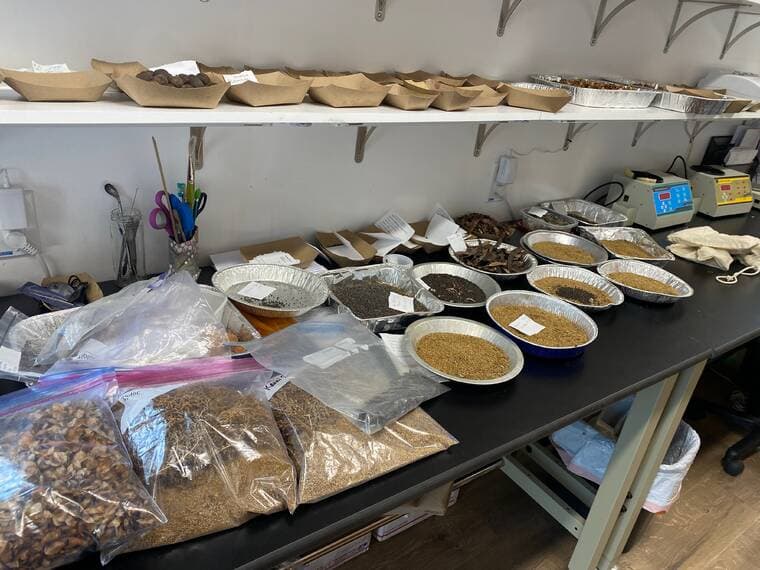
That work includes seed storage, seed cleaning and germination trials. The bank also sends seed orders twice a month, around the 15th and 30th, which shows that it is not just a vault. It is a working resource for anyone trying to restore a parcel, replant after damage or keep a rare plant line alive.
Jill Wagner, who directs the Hawaii Island Seed Bank, has spent decades in restoration work across the island. Hawaii County describes her as head of forestry at Terraformation and says she has worked with the State of Hawaii, the National Park Service and private landowners for 25 years. The Society for Ecological Restoration says she has been involved in ecosystem restoration in Hawaii for more than 20 years and created Seed Ark to help other projects build off-grid, solar-powered seed banks.
Why this matters for Big Island resilience
The case for seed banking on Hawaii Island is stronger because the local risks are not abstract. Longer droughts can weaken forests and farms, wildfire can erase entire plant populations, and heavy storms or other damage can wipe out what is growing in a single season. Add crop losses and supply-chain disruptions, and the value of keeping a local reserve of seed becomes easier to see.
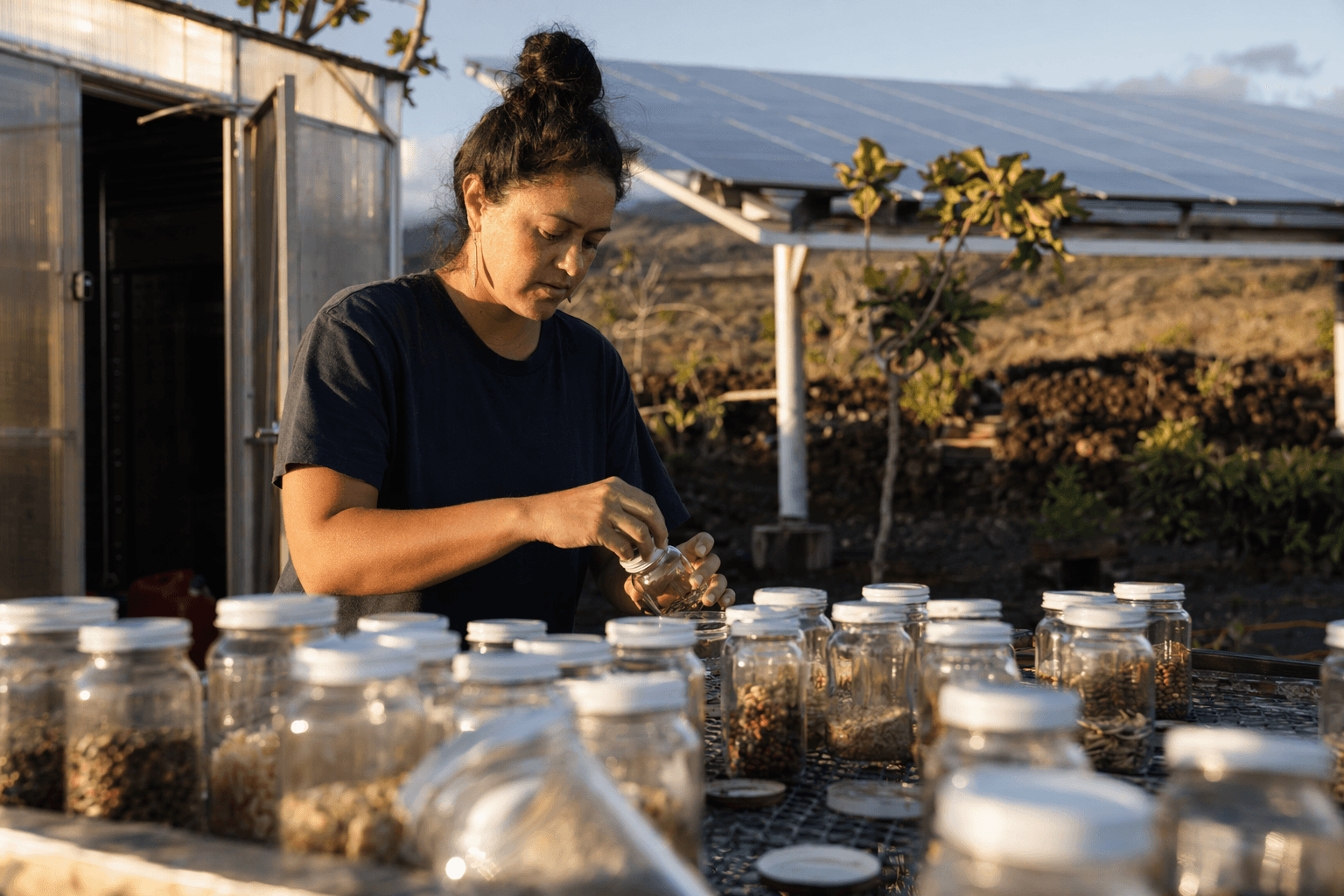
The seed bank’s role is to give the island a way to recover faster and with better genetic material than it might otherwise have after a disaster. If native ecosystems are damaged, landowners and restoration teams can draw from stored seed to help rebuild. If a crop variety or a favored landscape plant is lost, there is a chance to recover it from controlled storage rather than starting from nothing.
That is why the facility is often described as an insurance policy for the island’s future. In practical terms, it gives farmers, conservation groups and even backyard growers a way to think beyond a single season and plan for the next emergency before it arrives.
How the seed bank keeps seed alive
Inside the facility, seeds are kept under tightly controlled temperature and humidity conditions so they can remain viable for up to 20 years, far longer than they would in ordinary storage. The process is methodical: clean the seeds, count them, dry them properly, package them and catalog them.
Those same steps are not unique to Hawaii Island. They are part of a broader conservation model that can be used in many places facing biodiversity loss and climate pressure. The value of the Hawaii Island Seed Bank is that it applies that global science to the island’s specific native flora and agricultural needs.
The bank’s site is at 60 Nowelo St. in Hilo, another reminder that this is a Big Island asset with a real operational base, not a remote or theoretical effort. Its location and shipping schedule make it clear that the bank is built for routine use, not only emergency response.
A wider network beyond one facility
The Hawaii Island Seed Bank is part of a larger statewide system. The Hawaii Seed Bank Partnership began in 2012 with four members and now connects cooperating seed banks working to preserve the genetic diversity of native plant species for conservation and restoration.
That network has already banked major collections of ōhia, one of Hawaii’s foundational native trees. As of 2022, partnership facilities had stored material from more than 1,600 ōhia trees and more than 40 million seeds, representing 13 of the 14 ōhia types and 51 of the 55 seed zones. For an island coping with Rapid Ōhia Death and other ecosystem threats, those numbers represent a significant conservation line of defense.
The Hawaii Island Seed Bank also participates in that ōhia effort through its own donation program, which secures thousands of seeds from a tree and stores them locally, with backup storage at another partnership facility. That layered approach reduces the chance that one fire, flood or disease event could erase a critical genetic line.
What the island gains beyond emergencies
The seed bank’s value is not limited to disaster recovery. It also supports restoration, agricultural resilience and education. The bank’s materials say it is used for teaching opportunities, and recent educational work tied to the facility has supported environmental science learning from kindergarten through college age.
That makes the bank relevant to more than professional conservation crews. It connects school programs, future foresters, restoration workers and landowners to the same physical infrastructure that can help rebuild native habitat and productive land after loss.
The scale of the wider Hawaiian seed-conservation effort shows how serious this work has become. The National Tropical Botanical Garden’s seed bank and laboratory include more than 17 million seeds representing 533 native Hawaiian taxa, and Lyon Arboretum’s Hawaiian Rare Plant Program uses seed banking to prevent further extinction and support restoration and reintroduction projects. Together, these institutions show that seed banking has become a core part of Hawaii’s ecological infrastructure.
For Hawaii Island, the message is plain: the seed bank is not a niche scientific collection tucked away from daily life. It is a practical reserve that can help farmers, landowners, schools and conservation crews respond when the island’s weather, fire risk or supply chains turn unpredictable.
This article was produced by Prism’s automated news system from verified source data, official records, and press releases, then run through automated quality and moderation checks before publishing. The system is built and supervised by the people who set the standards it runs under. Read our full AI policy.
Did this article answer your question?