Hawaii Island traffic fatality list highlights ongoing safety gaps
The Hawaii Police Department compiled a list itemizing traffic collision fatalities on Hawaiʻi Island for 2025, noting that overall fatalities were lower than in prior years but still included numerous pedestrian and motorcycle deaths across multiple communities. The accounting underscores persistent safety and public health challenges for rural roads, emergency response, and vulnerable residents on the Big Island.
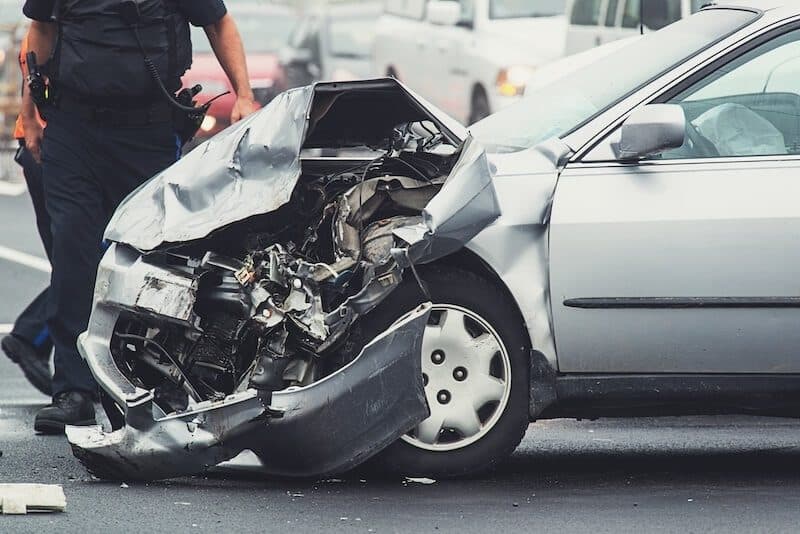
The Hawaii Police Department’s list of 2025 traffic collision fatalities on Hawaiʻi Island records the names, ages, home communities and basic crash details for people who died in traffic collisions during the year. While the department noted overall traffic deaths were lower in 2025 compared with prior totals, the roster includes multiple pedestrian and motorcycle fatalities spanning a wide geographic area and the full calendar year.
Entries on the list include Jelson Kainue Leslie, 52, of Captain Cook, a pedestrian fatality on Jan. 1 at Kinue Road in Captain Cook, and Jahnya Serquina-Octubre, 21, of Mountain View, a pedestrian killed in a Jan. 24 crash on Highway 11 near the 10-mile marker in Kurtistown. Fatal collisions also occurred in Keaau, Pahoa, Hilo, Naʻalehu and North Kona among other locations, reflecting that deadly crashes affected both South and North Hawaiʻi Island communities.
For public health officials and local leaders, the list is more than a tally; it is a map of where prevention, emergency care and infrastructure gaps remain. Pedestrians and motorcyclists repeatedly appear among the deceased, populations that national data show are at higher risk without adequate sidewalks, lighting, designated crossings or safety enforcement. In rural and dispersed communities, distance to advanced trauma care and the capacity of emergency medical services can compound the risk that serious crashes become fatal.
The loss of residents in tight-knit communities reverberates across families, workplaces and schools, straining social supports and county services. For communities already facing inequities in access to care and transportation, traffic fatalities are both a health outcome and a symptom of broader policy choices about road design, funding priorities and enforcement practices.

Addressing the pattern will require coordinated action across county transportation planners, state agencies, law enforcement, public health and community organizations. Investments that reduce speed differentials, improve pedestrian infrastructure and lighting, expand rider education and helmet use programs, and bolster EMS and trauma triage capabilities could lower future deaths. Equally important are culturally informed outreach and data-driven targeting of high-risk corridors so scarce resources serve the residents most affected.
The department’s accounting for 2025 provides a starting point for those conversations. As officials and community members review the locations and circumstances of each fatal collision, the challenge will be translating awareness into equitable policies and investments that prevent the next tragedy.
This article was produced by Prism’s automated news system from verified source data, official records, and press releases, then run through automated quality and moderation checks before publishing. The system is built and supervised by the people who set the standards it runs under. Read our full AI policy.
Did this article answer your question?