Hawaiʻi police offer free keiki ID event at Hilo library
Hawaiʻi Island police held a free keiki ID session at Hilo Public Library, giving parents photographic and fingerprint records to speed reunification in emergencies.
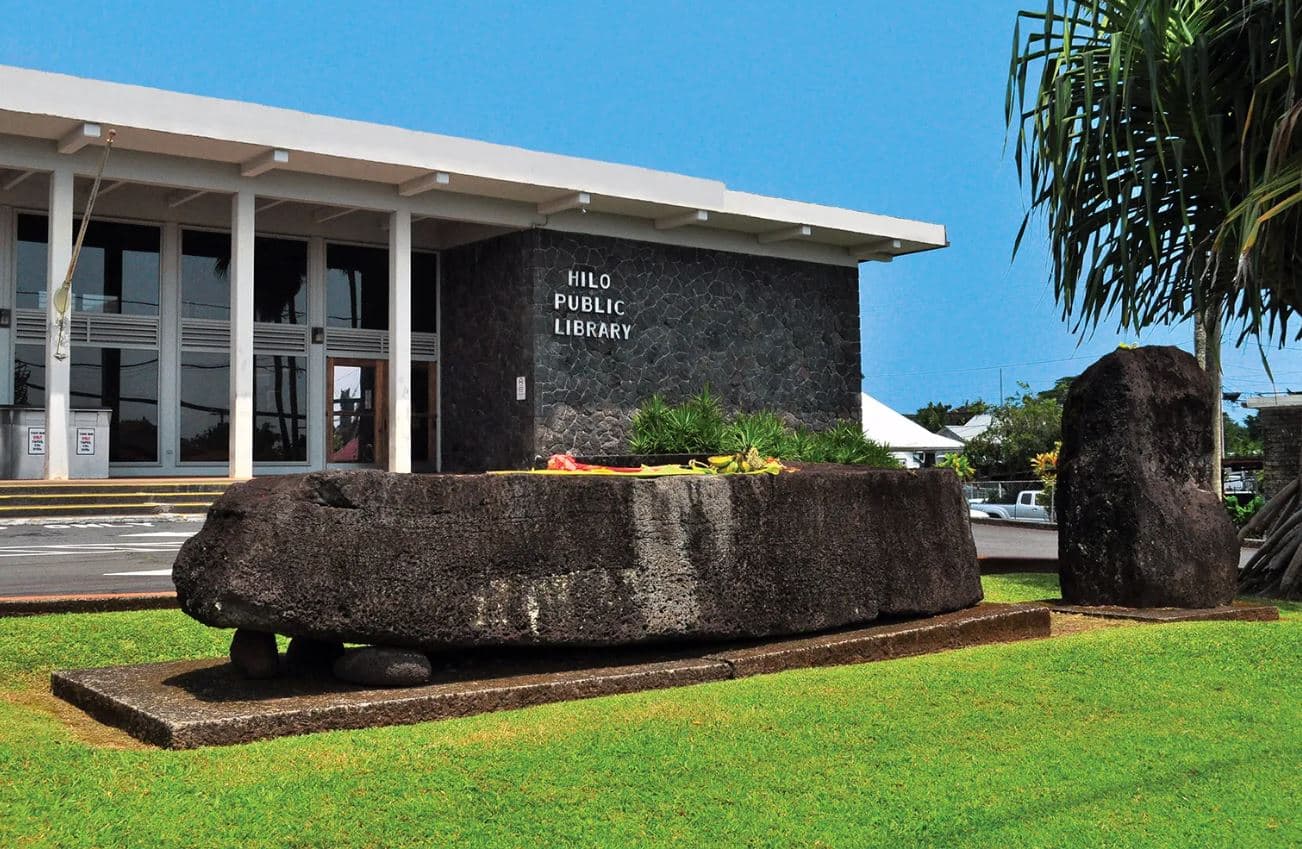
Hilo families had access to free child identification records when the Hawaiʻi Police Department’s Hilo Community Policing Section hosted a Keiki ID event at the Hilo Public Library on Wednesday. The session ran from noon to 2 p.m. at 300 Waiānuenue Ave., providing participating children with a card that includes a photograph, fingerprint and other vital information to assist officers if a child is lost or involved in an emergency.
The event was offered as a semi-regular community service, aimed at parents and guardians who missed earlier opportunities to have Keiki ID records made. By documenting photo and fingerprint data in a portable format, the program seeks to reduce the time police and families spend trying to confirm a child’s identity during critical incidents, and to create a reliable record parents can keep on hand.
Community policing programs like this operate at the intersection of public safety and everyday convenience. For households, the direct benefit is simple and tangible: a free, immediate means to provide authorities with verified information should the need arise. For the police department, proactive identification initiatives can streamline response work and minimize uncertainty during searches or reunification efforts, freeing resources for other public-safety tasks.
The Hilo program’s low-friction approach also lowers barriers for families who might not otherwise have ready access to official records. By situating the event in a central public space, the Hilo Public Library, the department leveraged a familiar community hub to broaden participation. That approach reflects a broader trend toward embedding public-safety services into civic spaces to boost uptake and community trust.
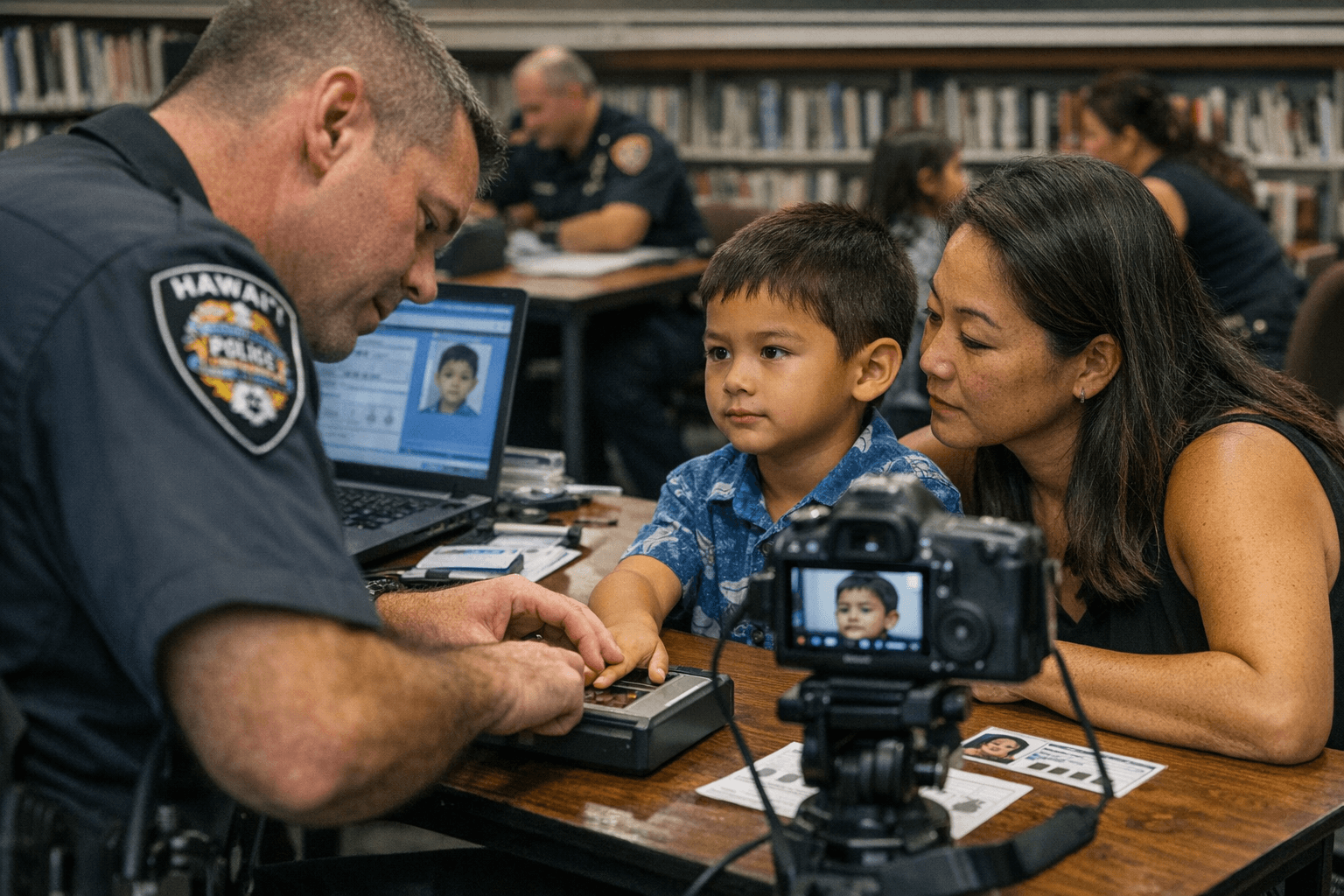
There are no fees associated with the Keiki ID card, and the event was explicitly positioned to catch families who missed prior sessions. While a single session does not replace formal identity documents, it provides a practical supplement that can be crucial in time-sensitive situations. Local schools, care providers and grandparents often find such cards useful for emergency planning and daily peace of mind.
The immediate impact is on individual families who walked away with a physical card and a recorded fingerprint and photo. The secondary effect is collective: more residents with accessible identification records can speed casework and reduce uncertainty for responders across the island.
The takeaway? Sign up when the next Keiki ID session comes to your neighborhood and bring your keiki and a guardian - it’s free, fast and designed to help reunite families quickly in an emergency. Our two cents? Keep the card in a secure but retrievable place and let caregivers know where it is so it can do its job when it matters most.
Know something we missed? Have a correction or additional information?
Submit a Tip