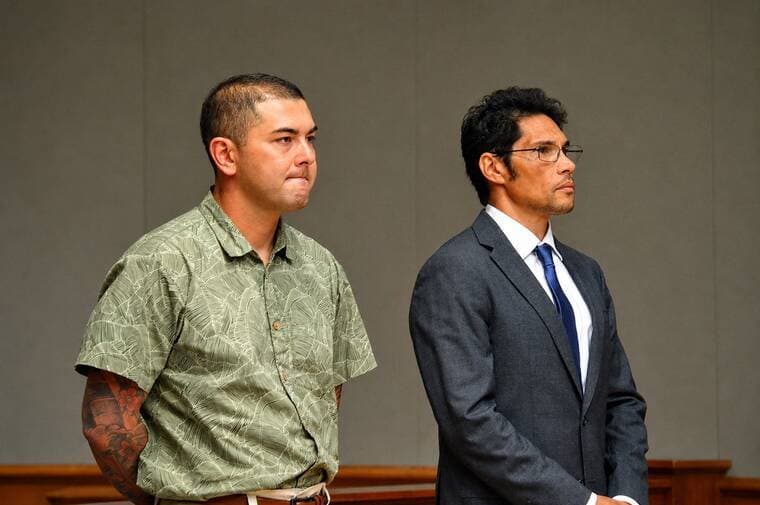
Hawaii Supreme Court hears Big Island fire chiefs' grievance over 2014 leave
A 12-year fight over two battalion chiefs’ 2014 leave could decide whether Big Island firefighters can be sidelined after criticizing command during Hurricane Iselle.
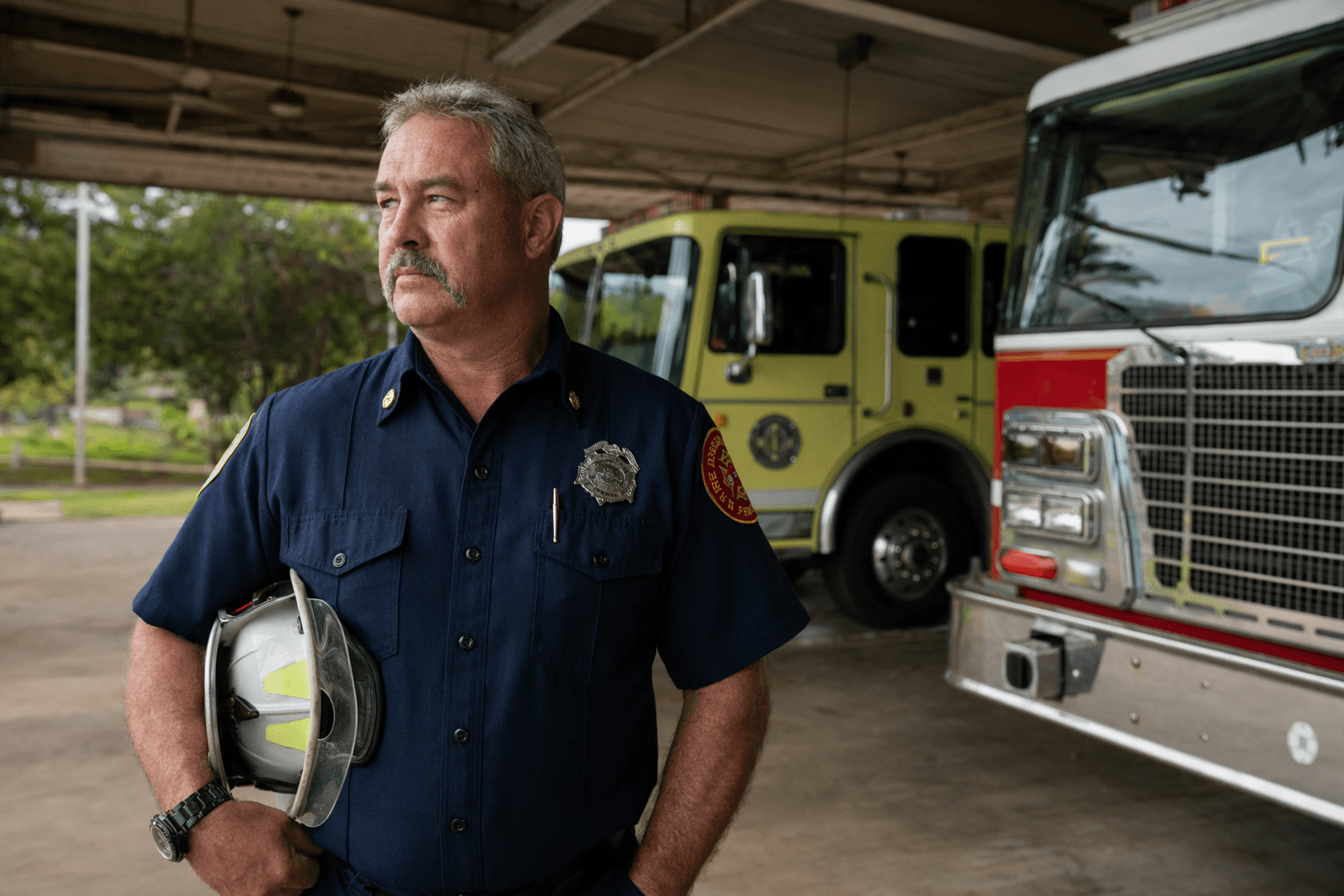
For Hawaii Island firefighters and the residents who rely on them, the central question before the Hawaii Supreme Court was whether two senior officers were effectively punished for raising alarms about the department’s Hurricane Iselle response, when Ty Medeiros said poor communication left firefighters trapped in the field.
Former battalion chiefs Steve Loyola and Medeiros argued the case last week as the court considered a grievance that began in 2014 and has already moved through the County of Hawaii Merit Appeals Board, the circuit court and the Intermediate Court of Appeals. The dispute started when Loyola and Medeiros sent letters to then-Fire Chief Darren Rosario, then-Mayor Harry Kim and the Hawaii County Fire Commission calling for Rosario’s resignation. Medeiros accused Rosario of “dishonesty and lack of leadership” and said the department’s handling of Hurricane Iselle showed dangerous communication failures.
Rosario placed both men on paid administrative leave in November 2014 pending an investigation into alleged insubordinate conduct. The county has said the leave and badge removal were administrative, not disciplinary. Loyola and Medeiros said the move publicly humiliated them when their badges and rank insignia were stripped in front of colleagues.

The legal battle has been unusually long. The Merit Appeals Board ruled in 2016 that the leave and badge removal were administrative actions, not punishment. The circuit court and the Intermediate Court of Appeals later upheld the county’s position before the Hawaii Supreme Court accepted certiorari in November 2025. The hearing was originally set for Feb. 5, 2026, then continued to April 21, 2026.
At the center of the case is whether “indefinite” paid leave, loss of overtime and peer humiliation count as adverse employment actions under article I, section 4 of the Hawaii Constitution, which protects free-speech retaliation claims. The county has argued that placing employees on paid leave during an investigation is an employer’s right, not discipline.
The firefighters told the board they lost “tens of thousands of dollars” in overtime and suffered lower retirement benefits because retirement pay was based on prior earnings. That financial hit is part of why the case has mattered far beyond the department’s internal politics. For a fire agency that depends on quick chain-of-command decisions, the question is whether county leaders can sideline battalion chiefs for months or longer after they challenge the chief’s conduct, and whether that kind of action could chill future criticism inside the department.
Ted H.S. Hong represented Loyola and Medeiros, while county deputies Mark D. Disher and Lerisa L. Heroldt appeared for Hawaii County. After more than a decade of hearings, filings and testimony that stretched over four days and thousands of pages, the justices are now weighing how much room county government has to manage its fire department, and how much protection firefighters have when they speak out about public safety.
This article was produced by Prism’s automated news system from verified source data, official records, and press releases, then run through automated quality and moderation checks before publishing. The system is built and supervised by the people who set the standards it runs under. Read our full AI policy.
Did this article answer your question?