Hawaii warns Big Island consumers about dangerous enhanced kratom products
7-OH products are showing up in Big Island shops and online as “enhanced kratom,” but state and federal officials say they can act more like opioids than herbs.
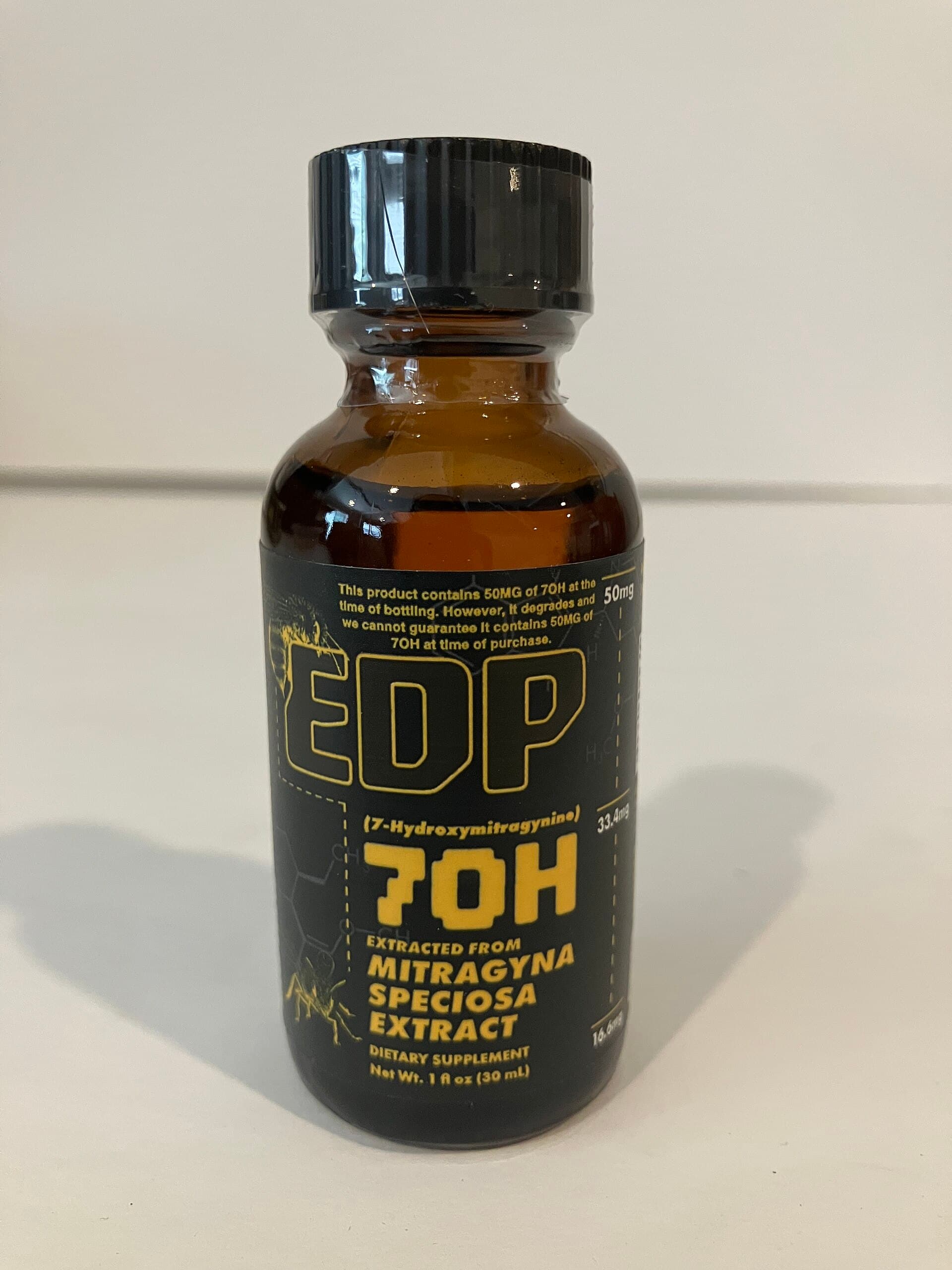
Big Island consumers can run into 7-OH in the same places they buy vape juice, snacks and drinks: smoke shops, convenience stores, gas stations and online marketplaces. Hawaii health officials warned that these products, often sold as enhanced kratom, may carry opioid-like effects, including sedation and slowed breathing, while also raising the risk of dependence and overdose.
The substance at the center of the warning is 7-hydroxymitragynine, or 7-OH. The Hawaii Department of Health said it is a concentrated, and in some cases synthetic, version of a compound naturally found in kratom, and that products using it may be packaged to look harmless. The state advisory said 7-OH is estimated to be 10 times more potent than morphine.
That is why officials are telling residents to check labels closely and not assume that anything sold as kratom is low-risk or plant-based in the way a customer might expect. The products can come in gummies, tablets and flavored drinks, formats that may be especially appealing to younger people. Kenneth S. Fink, director of the Hawaii Department of Health, called 7-OH an emerging public health threat.
Federal regulators have already moved against some sellers. The U.S. Food and Drug Administration said it issued warning letters to seven companies for illegally marketing products containing 7-OH, and said the items have been sold online and in smoke shops, gas stations and corner stores. In May 2026, the FDA also said it was recommending scheduling action for certain 7-OH products under the Controlled Substances Act, while stressing that the action targets concentrated 7-OH products, not natural kratom leaf. The Drug Enforcement Administration classifies controlled substances into five schedules based on abuse potential and accepted medical use.
The risk picture has been building for months. America’s Poison Centers issued an advisory on Aug. 12, 2025, after reports of serious health effects tied to 7-OH use. The Centers for Disease Control and Prevention later reported a roughly 1,200% increase in kratom-related poison-center exposure reports from 2015 to 2025, rising from 258 to 3,434, with the most severe outcomes linked to multiple-substance exposures.
In Hawaii, lawmakers have already started shaping a response. House Bill 717 in the 2026 session would require kratom products to be registered with the Department of Health and impose labeling rules, and an earlier version specifically addressed synthetic 7-hydroxymitragynine. For now, the warning to Big Island shoppers is simple: products labeled kratom may not be what they seem, and the newest versions can carry a much heavier opioid-like risk than traditional kratom leaf.
This article was produced by Prism’s automated news system from verified source data, official records, and press releases, then run through automated quality and moderation checks before publishing. The system is built and supervised by the people who set the standards it runs under. Read our full AI policy.
Did this article answer your question?