Hawaiian Volcano Observatory headquarters in Hilo targeted for April 2027 opening
A permanent HVO home in Hilo is now aimed for April 2027, ending years in temporary space after the 2018 eruption. The move should tighten volcano monitoring and campus ties.
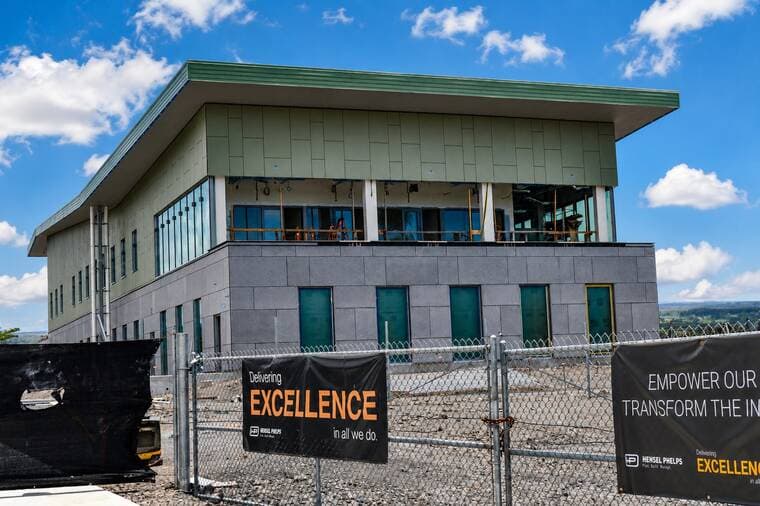
A permanent Hawaiian Volcano Observatory headquarters in Hilo is now aimed for April 2027, a move that would finally pull the island’s main volcano-monitoring operation out of temporary space and into a purpose-built campus next to the University of Hawaii at Hilo. For Hawaii Island, the project is more than a construction milestone: it is a reset for hazard monitoring, emergency communication, and the day-to-day work of scientists who track the volcanoes most likely to shape life here.
The new facility is planned for 6.8 acres of state-owned land near Komohana Street and Nowelo Street, where HVO and the Pacific Island Ecosystems Research Center will share a two-story, 60,000-square-foot building. UH Hilo vice chancellor for academic affairs Kalei Rapoza said the April 2027 occupancy target is the current goal for the U.S. Geological Survey, which is moving the observatory out of long-term temporary quarters after the old headquarters in Hawaii Volcanoes National Park was damaged beyond repair in the 2018 Kīlauea eruption.

That old damage forced HVO staff into rented space at the Hilo Iron Works building on Kamehameha Avenue, where the observatory is still operating today from 1266 Kamehameha Avenue, Suite A-8. The transition is happening in stages, not all at once. A separate National Park field office is closer to completion, and some staff are already working there, signaling that the relocation is spreading across multiple pieces of the project.
The stakes for residents are clear. USGS says HVO monitors earthquakes and active volcanoes in Hawaii, assesses hazards, issues warnings, and advances scientific understanding to reduce eruption impacts. It is one of five volcano observatories in the USGS network and is responsible for six active volcanoes in Hawaii and American Samoa: Kīlauea, Mauna Loa, Hualālai, Mauna Kea, Kama‘ehuakanaloa, and Haleakalā. A permanent Hilo headquarters should streamline that work, especially when rapid updates must reach emergency managers, schools, and the public during a volcanic crisis.
The move also deepens the island’s science infrastructure. HVO and PIERC both have cooperative agreements with UH Hilo, and the closer proximity is expected to strengthen student access, shared lab use, and daily collaboration between campus researchers and USGS volcanologists. The project is being designed by AHL Architects Hawaii and built by Hensel Phelps, after planning documents in 2023 laid out the permits, public review, and land-use approvals needed for the shared state-site development. What once was expected to be done in 2025 is now sliding into 2027, but the payoff is a permanent Hilo base for some of the island’s most critical public-safety science.
This article was produced by Prism’s automated news system from verified source data, official records, and press releases, then run through automated quality and moderation checks before publishing. The system is built and supervised by the people who set the standards it runs under. Read our full AI policy.
Did this article answer your question?