Hilo caregiver accused of stealing more than $10,000 from elderly man
Repeated online charges on a 92-year-old Hilo man's card led police to accuse his caregiver of taking more than $10,000, even after the card was replaced.
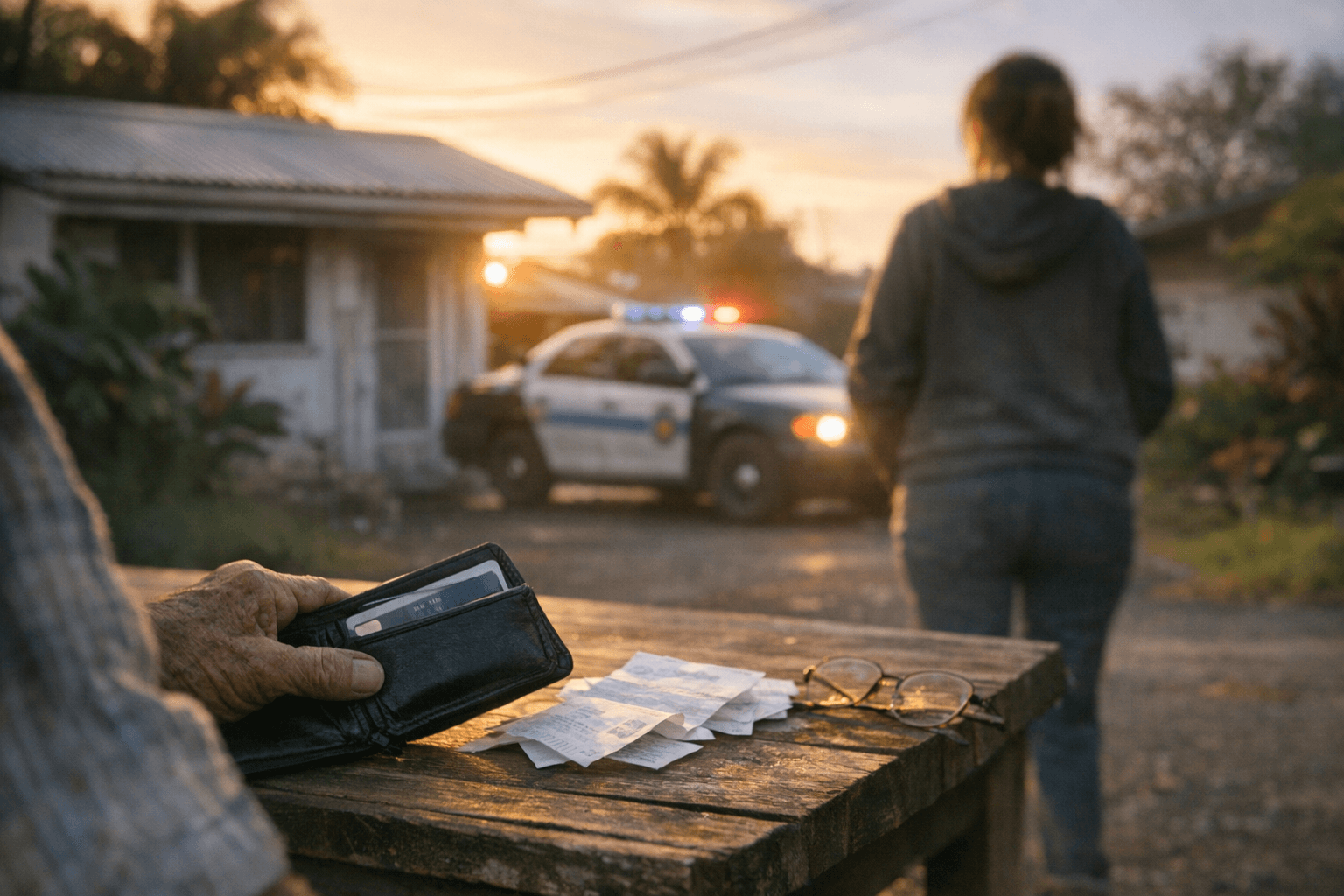
Families on Hawaii Island should treat repeated card charges, especially after a card has already been replaced, as a warning sign that someone close to a vulnerable kupuna may have too much access. Hilo police say that is how a 92-year-old man's case unfolded, with more than $10,000 in alleged unauthorized purchases tied to a caregiver relationship that should have rested on trust.
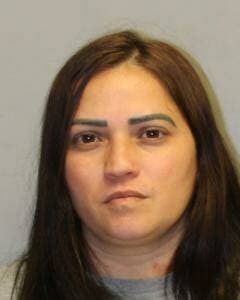
Police said 33-year-old Natrea Santiago of Hilo was hired through a business to provide caregiver services and had access to the man's credit card. Investigators say she used it without authorization, and the charges kept appearing even after the card was replaced. The case began in December 2025, when a family member discovered numerous unauthorized online charges on the victim's account.
Santiago was charged Monday, April 20, with first-degree theft, first-degree identity theft, unauthorized possession of personal confidential information and fraudulent use of a credit card. Police said the first-degree theft charge reflects Hawaii law treating theft from someone age 60 or older as aggravated when the accused knew or reasonably should have known the person's age. She was initially held on $70,000 bail, but Hilo District Court Judge Jeffrey Hawk later granted a defense request to release her on cashless bail. She is scheduled to return May 5 for a preliminary hearing.
The allegations carry a wider warning for Big Island families that rely on in-home care. A caregiver can see bank cards, mail, account statements and daily routines, giving that person access to a senior's finances as well as their home. In cases like this, the harm is not just the money taken. It can also leave older adults feeling exposed in the one place where they should be safest.
State agencies say Hawaii has a system in place for exactly these situations, but it only works if families use it quickly. The Adult Protective and Community Services Branch investigates reports of vulnerable adults who are abused, neglected, financially exploited or seriously endangered by self-neglect. Hawaii law defines a vulnerable adult as someone 18 or older who cannot manage care or resources, carry out essential daily activities, or protect themselves from abuse because of impairment. The Executive Office on Aging coordinates statewide aging and caregiver support services and points older adults and families to programs including Senior Medicare Patrol, Hawaii SHIP and the Long-Term Care Ombudsman Program.
The scale of the problem is not small. The Department of Human Services said APCSB intake and field staff investigated 1,231 cases of abuse, neglect and exploitation of vulnerable adults from July 2023 through November 2024. State law also allows the attorney general to bring civil action against caregivers who abuse dependent elders, underscoring how financial exploitation can become both a criminal case and a civil one.
This article was produced by Prism’s automated news system from verified source data, official records, and press releases, then run through automated quality and moderation checks before publishing. The system is built and supervised by the people who set the standards it runs under. Read our full AI policy.
Did this article answer your question?