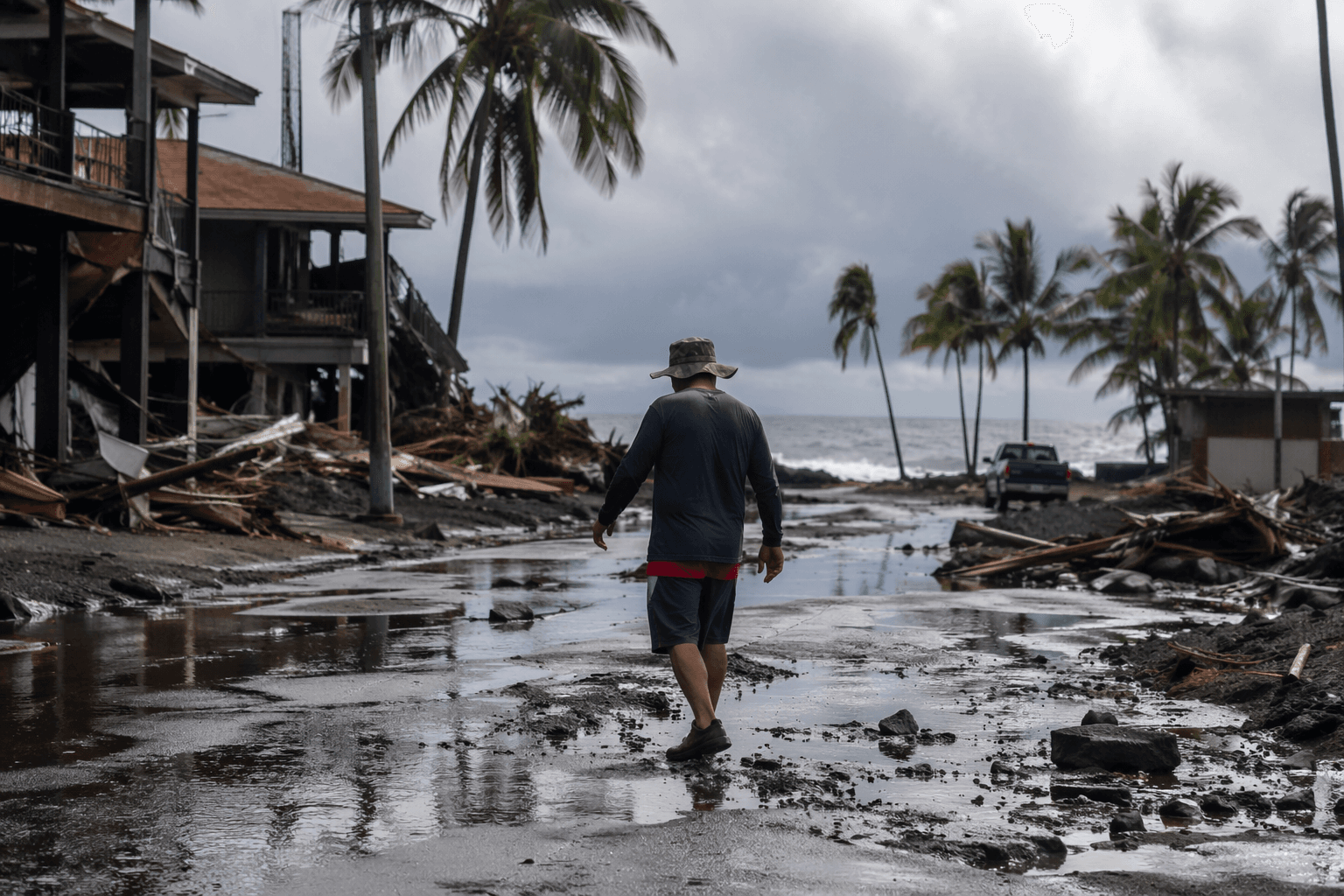
Hilo’s Maebo Noodle Factory eyes mainland, global expansion
Hilo’s Maebo Noodle Factory is chasing mainland and global growth while guarding the family recipe that made it a local staple. The payoff could reach island jobs, production and the future of a fourth-generation business.
A Hilo brand built from family ingenuity
At 2036 Kilauea Avenue, one of Hilo’s most familiar food names is trying to answer a hard island-business question: how do you grow far beyond Hawaii without losing the local identity that made people care in the first place? Maebo Noodle Factory, founded in Hilo in 1950, is now looking at mainland and international markets, and that ambition carries real stakes for a company that has long stood for more than packaged noodles and snack chips.
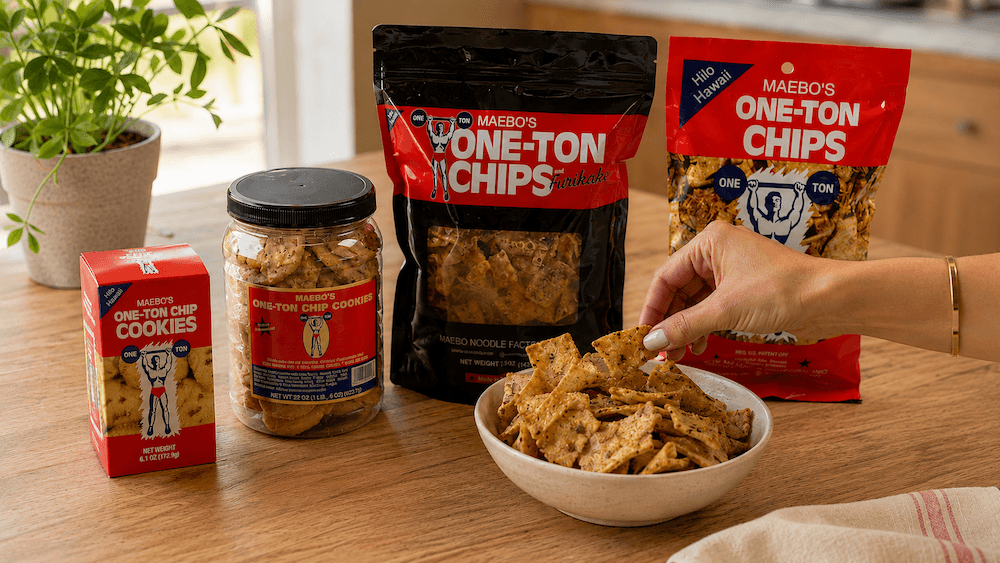
The story begins with Koto Maebo, who started experimenting with noodles from scratch in her husband Toshito Maebo’s tofu-making facilities. Toshito was a peddler who sold vegetables, tofu and other food products, so the business grew out of the practical rhythms of Hilo life rather than a distant corporate plan. Koto later used the same dough mix for wonton skins, added a little sugar and deep fried it into what became the signature One-Ton Chips. Her second son, Aketo Maebo, came up with the name and created the packaging, including the weight-lifter logo that helped make the product instantly recognizable.
That origin story still matters because it explains why Maebo feels so rooted in place. It was not built as a chain concept or a mainland import with a Hawaii label attached later. It was built in Hilo, by a family solving one local problem at a time, and then turning that solution into a brand households and restaurants came to trust.
A local manufacturer with real scale, not just nostalgia
Maebo’s current shop page lists its home base as 2036 Kilauea Avenue in Hilo, with public hours Tuesday through Friday from 8:00 a.m. to 2:00 p.m. and closures on Monday, Saturday and Sunday. That modest storefront masks a much larger operation. Maebo says it distributes products statewide and beyond, including to mainland restaurants, which means the company is already doing more than serving a single neighborhood market.
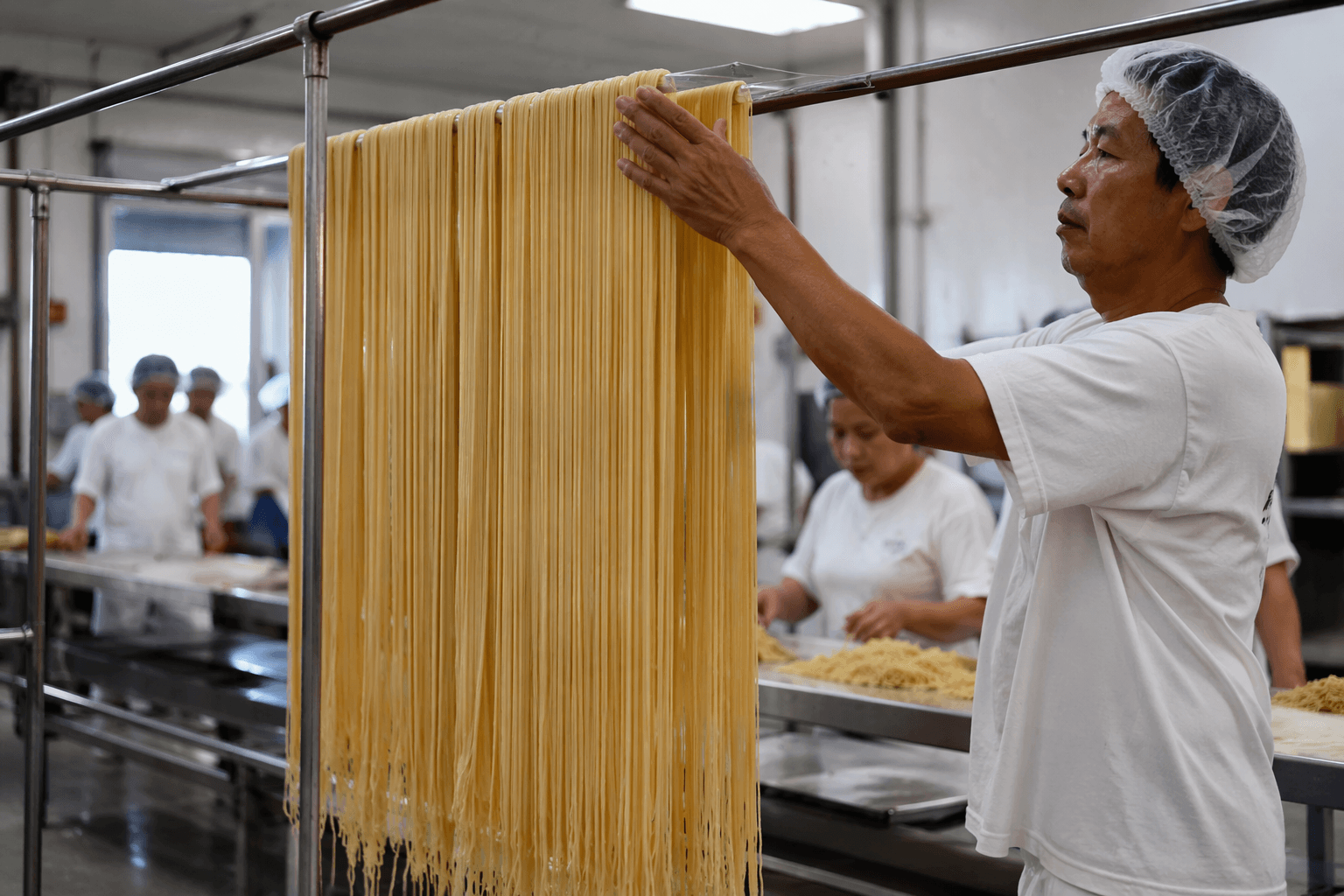
The business also has the kind of employment footprint that makes it economically important on Hawaii Island. After a fire destroyed the factory in 2003, a Honolulu Advertiser report said Maebo employed 17 non-family workers plus three family members and produced 50,000 pounds of noodles and chips per month. That scale is a reminder that Maebo is not only a cultural name but also a real manufacturing employer, with all the jobs, logistics and production discipline that come with that role.
A 2018 Hawaii Business profile said the company remained owned and operated by the same family after four generations, with manager Chasity Silva saying the family did not plan to sell the business. Hawaii state records list Maebo Noodle Factory, Inc. as a domestic profit corporation. Together, those details show a company that has managed to survive through family succession, physical setbacks and changing consumer tastes without drifting away from its Hilo base.
Why the expansion plan is bigger than a growth story
What makes the current expansion push important is not just where Maebo wants to sell, but how it says it wants to get there. The company’s stated goals include mainland and international markets, along with stronger e-commerce, digital marketing and better production and supply-chain logistics. That combination suggests Maebo is trying to modernize the machinery around the brand while preserving the product identity that gave it meaning in the first place.
A May 31, 2026 Mana Up profile added another layer to the story by identifying siblings Chasity Enoka, Porsche Hao and Jarek Maebo as the fourth-generation owners remaking the business for the next 75 years. That points to active succession rather than a passive legacy operation. It also suggests the company is being reshaped by people who know both the emotional value of the name and the practical demands of building a broader market.
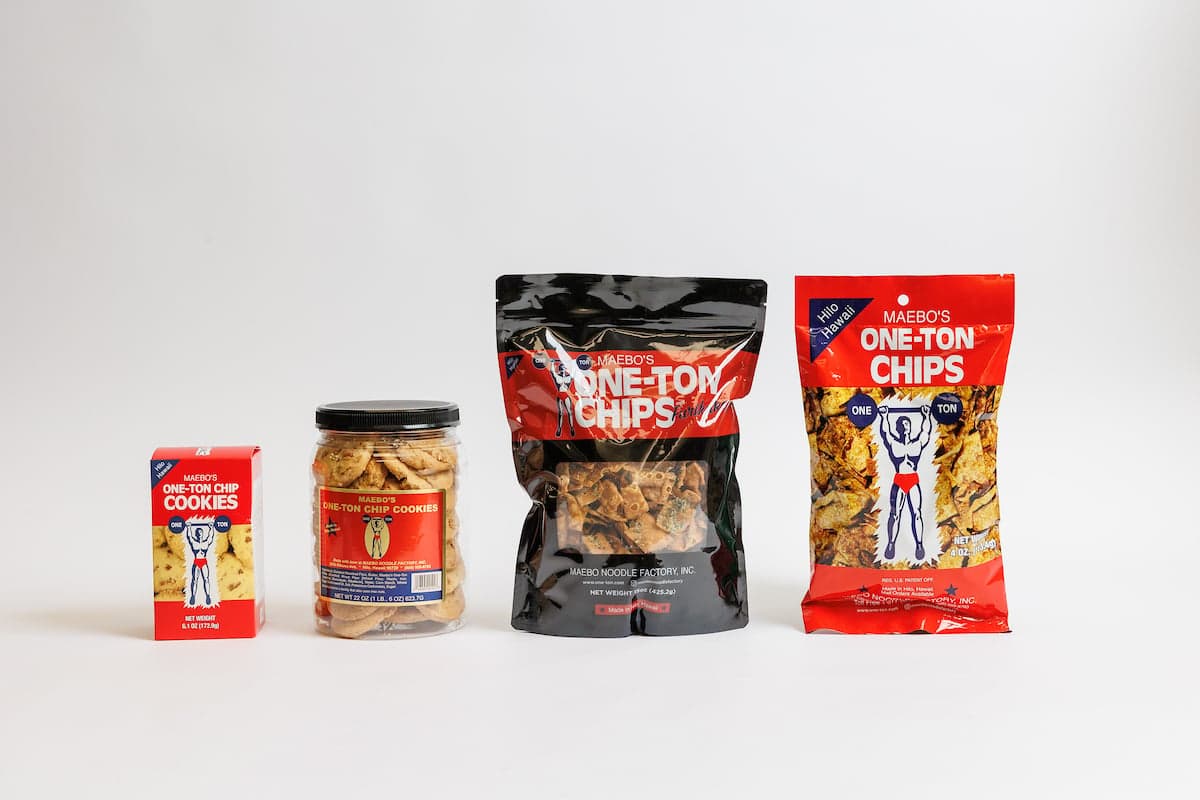
For Big Island readers, the most important question is what this means at home. If Maebo succeeds beyond the islands, the upside could include more local production, more packaging and shipping work, and a stronger case for keeping manufacturing on Hawaii Island rather than outsourcing it elsewhere. Expansion could also deepen the market for local ingredients, logistics and branding talent, which is often how small island businesses translate national attention into island-based economic benefit.
But the pressure cuts both ways. Faster growth can strain a family-run company’s management, operations and supply chain, especially when the brand’s reputation depends on consistency. If mainland demand rises faster than the factory, labor force or distribution network can handle, the business could face the same tradeoff many Hawaii companies do: scale or soul. The challenge for Maebo is to make sure those do not become mutually exclusive.
What Hilo stands to learn from Maebo
Maebo’s story resonates because it reflects a broader reality on Hawaii Island: food businesses are often cultural carriers as much as economic actors. A noodle factory in Hilo can stand for family continuity, immigrant entrepreneurship, local taste and neighborhood memory all at once. That is why the company’s move toward mainland and global expansion feels bigger than a product rollout. It is a test of whether a homegrown Hilo brand can extend its reach without flattening the local character that made it last.
For now, the company’s best asset may be its history. Koto Maebo’s experiments in her husband’s tofu facilities, Toshito’s peddling roots, Aketo’s packaging design and the fourth generation now guiding the business all point to the same lesson: Maebo has survived by adapting. If it can carry that habit into e-commerce, broader distribution and new markets, the result could be more than export growth. It could be a stronger, more durable Hilo institution, still recognizable as the company that started with flour, family and a garage-sized idea.
This article was produced by Prism’s automated news system from verified source data, official records, and press releases, then run through automated quality and moderation checks before publishing. The system is built and supervised by the people who set the standards it runs under. Read our full AI policy.
Know something we missed? Have a correction or additional information?
Submit a Tip